How Apple Stores Personalize iPhone Startup Screens with Your Name
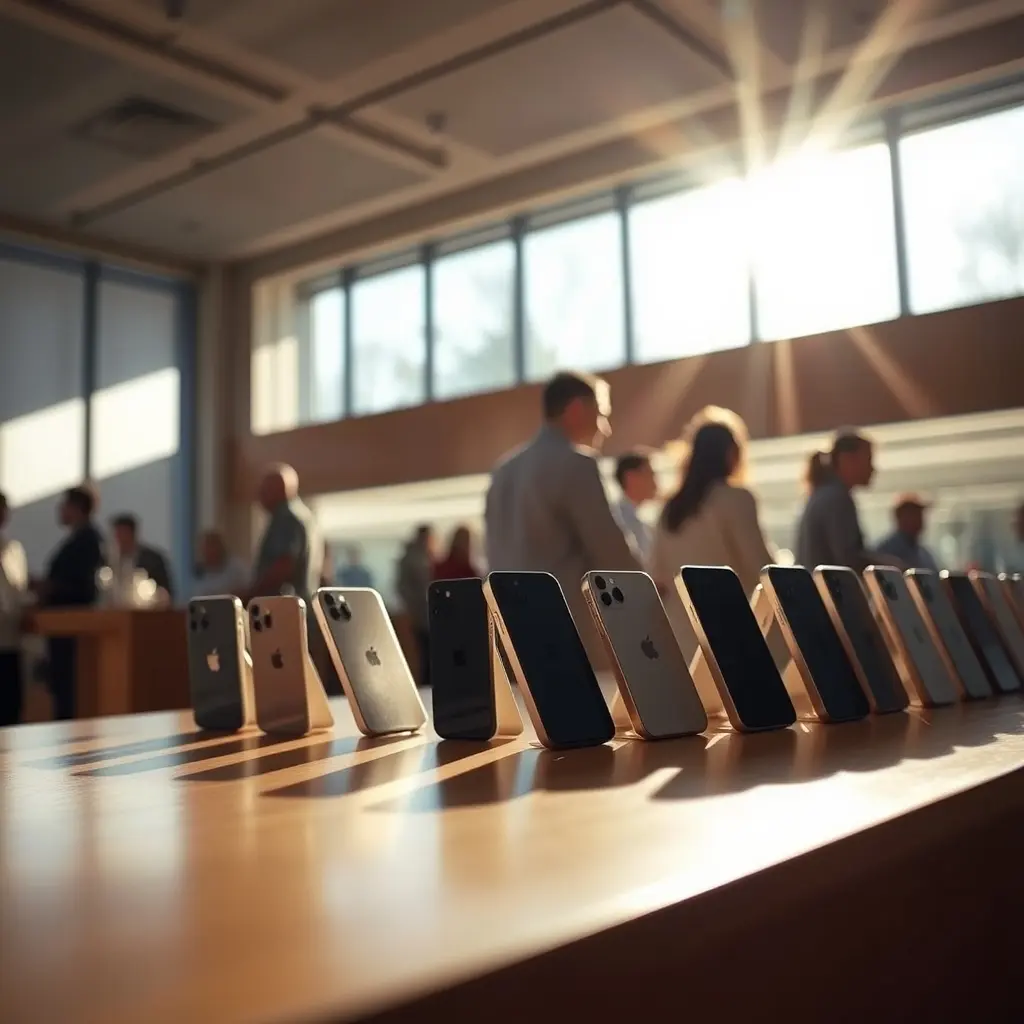
The Background: A New Frontier in Device Personalization
Apple is introducing a new feature that allows customers to personalize the startup screen of their new iPhone with their own name. This initiative, which began rolling out in select Apple Stores in late 2026, aims to enhance the unboxing experience and provide a unique touch to the device from the moment it's powered on. Previously, personalization options were limited to software settings after the initial setup. This move signals a deeper integration of personalized customer service directly into the hardware setup process, moving beyond simple engraving or case customization.
The ability to add a name to the startup screen is part of Apple's ongoing strategy to differentiate its premium products and foster a stronger emotional connection with its customer base. This feature is particularly relevant for gift purchases, allowing the recipient to see their name immediately upon first use. The implementation within Apple Stores suggests a controlled rollout, likely to refine the process and gather customer feedback before a broader availability.
The Mechanism: Step-by-Step Startup Screen Customization
The process begins when a customer purchases a new iPhone model eligible for this feature at a participating Apple Store. During the setup process, guided by an Apple Store employee, the customer will be prompted to enter their desired name or a short personalization text. This input is then securely transmitted to the device's firmware.
Upon the first power-on of the iPhone, the device's operating system, iOS, will access this stored personalization data. Instead of the standard Apple logo or generic boot-up animation, the screen will display the entered name. This customized startup sequence is designed to be a one-time event, appearing only during the initial boot-up after purchase. Subsequent restarts will revert to the standard Apple startup animation, ensuring the feature remains a special 'first-use' moment.
Who is Affected and How, Concretely
This new feature directly impacts new iPhone purchasers who buy their devices from an Apple Store. For these customers, the immediate benefit is a more personal and memorable first interaction with their new phone. Instead of a generic startup, they are greeted with their own name, making the device feel uniquely theirs from the outset. This could be particularly appealing to younger consumers or those purchasing iPhones as gifts, adding an extra layer of thoughtfulness and exclusivity.
For Apple Store employees, this introduces a new customer service touchpoint. They will be trained to guide customers through the personalization process, ensuring a smooth and positive experience. This could potentially increase customer satisfaction and encourage longer in-store engagement. However, it also adds a new step to the setup procedure, which might slightly extend the time spent in-store. For customers buying iPhones online or from third-party retailers, this specific personalization option will not be available, creating a distinction between in-store and other purchase channels.
What Happens Next, and What Would Have to Be True
If this in-store personalization proves popular and technically sound, Apple may expand the feature to online purchases, allowing customers to input their name during the online checkout process. This would require developing a secure method to associate the personalization data with the specific device order before it ships. Furthermore, Apple could explore offering more extensive customization options for the startup screen, potentially including custom fonts or colors, if the initial name-based feature is well-received.
For the feature to become a permanent fixture and potentially expand, several conditions must be met. Firstly, customer adoption and satisfaction rates must be high, indicating a genuine demand for this level of personalization. Secondly, the technical implementation must remain stable and secure, with no reported glitches or privacy concerns related to the storage and retrieval of personalization data. Thirdly, the cost and complexity of implementing this feature across a wider range of devices and sales channels must be manageable for Apple's supply chain and logistics. If these conditions are met, it could pave the way for even more deeply personalized device experiences in the future.
Share this article
Send the story to readers on social or messengers.
Comments
Loading comments…

New Times Reporter
Editorial coverage from New Times Reporter.