What is a tilt table test for fainting?
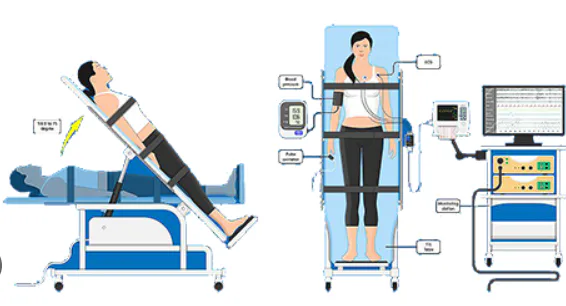
For years, unexplained fainting spells can leave individuals and their doctors baffled. The tilt table test, a diagnostic procedure, has emerged as a key tool in pinpointing the cause of such episodes, often revealing underlying autonomic nervous system disorders.
This test helps doctors understand how your body reacts to changes in position, specifically how blood pressure and heart rate are regulated when moving from a lying down to a standing position. This is crucial because many types of fainting, known medically as syncope, are related to problems with this regulation, a function controlled by the autonomic nervous system.
The underlying issue is often a form of dysautonomia, a dysfunction of the autonomic nervous system. This system controls involuntary bodily functions like heart rate, blood pressure, digestion, and temperature regulation. When it malfunctions, it can lead to symptoms such as dizziness, lightheadedness, and fainting, particularly when changing posture.
The Background: When the Body's Automatic Pilot Fails
Fainting, or syncope, is a sudden, temporary loss of consciousness usually caused by a temporary drop in blood flow to the brain. While common causes like dehydration or standing up too quickly can be easily identified, persistent and unexplained fainting can be a sign of a more complex underlying condition. For many, years can pass with recurrent episodes, leading to significant anxiety, lifestyle limitations, and frustration with the diagnostic process.
These prolonged periods of uncertainty can impact daily life, affecting work, social activities, and even the ability to drive. The search for answers often involves numerous doctor visits, various tests, and a sense of helplessness as the cause remains elusive. The autonomic nervous system, responsible for regulating blood pressure and heart rate, is a complex network that can be difficult to assess with standard medical examinations.
Conditions like neurally mediated syncope (NMS), which includes vasovagal syncope and situational syncope, are common culprits. These occur when the body overreacts to certain triggers, causing a sudden drop in heart rate and blood pressure. Postural orthostatic tachycardia syndrome (POTS) is another condition where the autonomic nervous system doesn't properly regulate heart rate and blood pressure upon standing, leading to a rapid increase in heart rate and symptoms like dizziness and fainting.
The Mechanism: How the Tilt Table Test Works
The tilt table test is designed to simulate the effects of gravity on the body when standing and to observe the autonomic nervous system's response. The procedure typically takes between 30 minutes to an hour and involves the following steps:
- Preparation: The patient lies on a specialized table that can be tilted to different angles, simulating the transition from lying down to standing. Electrodes are attached to the chest to monitor heart rhythm (ECG), and a blood pressure cuff is placed on the arm to measure blood pressure at regular intervals. An IV line may also be inserted for potential medication administration.
- Initial Lying Phase: The patient lies flat on the table for about 5-10 minutes while baseline heart rate and blood pressure are recorded.
- Tilting Phase: The table is then tilted upright to an angle of 60 to 80 degrees, mimicking standing. The patient is usually secured with a footrest and a strap across their waist. They are instructed to lie still and not to move their legs or feet.
- Monitoring: During the upright phase, heart rate and blood pressure are continuously monitored. The patient is asked to report any symptoms they experience, such as dizziness, lightheadedness, nausea, or the feeling of an impending faint. This phase can last up to 20-45 minutes.
- Pharmacological Challenge (if needed): If the patient does not faint or experience significant symptoms after a set period, a medication like isoproterenol may be administered intravenously. This drug can provoke a response in individuals with certain types of autonomic dysfunction by increasing heart rate. The test continues for another 10-20 minutes with monitoring.
- Repositioning and Recovery: If fainting occurs or significant symptoms develop, the table is quickly tilted back to the horizontal position to restore blood flow to the brain. The patient is monitored until their symptoms resolve and vital signs return to normal.
Who is Affected and How: Beyond the Faint
Individuals experiencing unexplained syncope, particularly those with recurrent episodes, are directly affected. The test provides a potential diagnosis for conditions that might otherwise go undiagnosed for years, leading to a clear path for management and treatment. This can alleviate significant psychological distress associated with the unknown.
For patients diagnosed with conditions like POTS or vasovagal syncope, the tilt table test is often the first step toward understanding their specific condition. This understanding empowers them to work with their healthcare providers on tailored management strategies. These strategies can include lifestyle modifications (increased fluid and salt intake, compression garments), medication, and specific exercise programs.
Beyond the individual, families and caregivers are also impacted. A diagnosis can bring relief and a sense of control, allowing for better planning and support. For healthcare systems, the test serves as a crucial diagnostic tool, helping to avoid unnecessary and costly investigations for patients with autonomic dysfunction.
What Happens Next: Towards Diagnosis and Management
If the tilt table test confirms an autonomic nervous system disorder, the next steps involve developing a personalized treatment plan. This plan aims to manage symptoms, reduce the frequency and severity of fainting episodes, and improve the patient's quality of life. Treatment often involves a combination of approaches, tailored to the specific diagnosis.
For conditions like POTS, management might include increasing salt and fluid intake, wearing compression stockings, and taking medications like beta-blockers or fludrocortisone. For vasovagal syncope, triggers are identified and avoided, and techniques like the 'ABCs' (Avoidance, Bloating, Counter-pressure maneuvers) are taught. Physical therapy and graded exercise programs can also be beneficial for some.
If the test is inconclusive or negative, doctors may explore other potential causes of fainting, such as cardiac issues, neurological problems, or psychiatric conditions. Further investigations, including Holter monitoring, echocardiograms, or neurological assessments, might be recommended. The journey to a definitive diagnosis can sometimes be lengthy, but the tilt table test remains a vital component in unraveling the mystery of unexplained fainting.
Share this article
Send the story to readers on social or messengers.
Comments
Loading comments…

Eleanor Thorne
Eleanor Thorne reports on culture and society, highlighting the human stories behind major headlines.