What is Google's HiLight feature on Pixel 11?
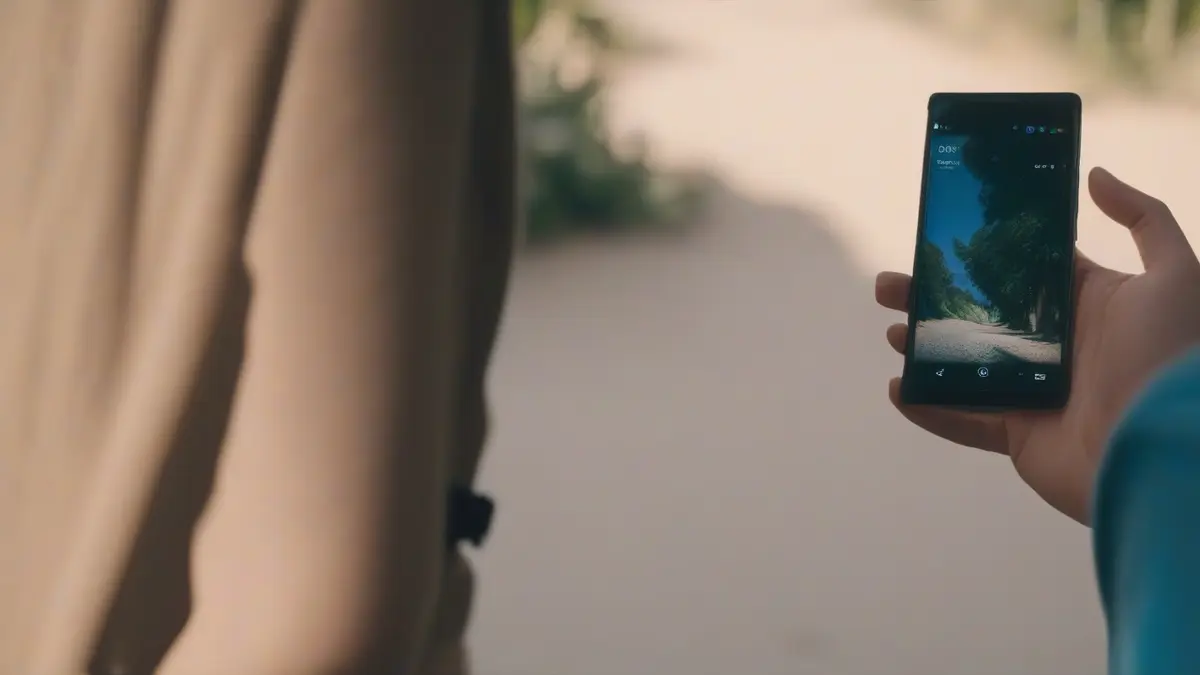
Google's upcoming Pixel 11 series is set to introduce a new feature dubbed 'HiLight,' previously rumored as 'glow.' This enhancement aims to improve the display's visibility and color accuracy, particularly in challenging lighting conditions. The technology is expected to leverage advanced algorithms to dynamically adjust screen output, ensuring content remains clear and vibrant whether users are in direct sunlight or dim environments. This move signals Google's continued focus on refining the user experience through hardware and software integration, pushing the boundaries of mobile display technology.
HiLight operates by employing a suite of sensors and sophisticated image processing. When activated, it analyzes ambient light levels, color temperature, and even the content being displayed on the screen. Using this data, it makes real-time adjustments to brightness, contrast, and color saturation. For example, in bright sunlight, HiLight might boost contrast and saturation to counteract glare and maintain readability. In low-light scenarios, it could subtly adjust color temperature to reduce eye strain and provide a more comfortable viewing experience. The goal is to deliver a consistently optimal visual output, regardless of the external environment, making the Pixel 11's display more adaptive and user-friendly than previous iterations.
The Background to Pixel's Display Innovations
Google's Pixel line has consistently aimed to differentiate itself through intelligent software and hardware integration, with display technology being a key battleground. Since the first Pixel phone launched in 2016, Google has progressively enhanced screen capabilities, focusing on color accuracy, refresh rates, and power efficiency. Early Pixels featured standard LCD or OLED panels, but subsequent generations saw improvements like HDR support and higher refresh rates, culminating in the adaptive refresh rate technology seen in recent models. The introduction of features like 'Adaptive Brightness' has been a precursor to more advanced display management systems. The Pixel 11's HiLight feature builds upon this foundation, representing a more sophisticated approach to display optimization that goes beyond simple ambient light sensing.
This ongoing development in display technology is driven by several factors. Smartphone users increasingly rely on their devices for media consumption, gaming, and productivity, making screen quality paramount. Competitors have also been rapidly advancing their display capabilities, pushing manufacturers like Google to innovate. Furthermore, advancements in AI and machine learning have opened new possibilities for how devices can intelligently adapt to user needs and environmental conditions. HiLight is a direct result of these trends, aiming to provide a tangible benefit that users will notice and appreciate in their daily interactions with the device.
How HiLight Works
HiLight is designed to be an automatic enhancement, meaning users typically won't need to manually toggle it on or off. The system integrates with the phone's existing sensors, including the ambient light sensor, and potentially front-facing cameras, to gather environmental data. When the Pixel 11 is in use, the HiLight algorithm continuously processes this information. If it detects bright sunlight, for instance, it will increase the screen's peak brightness and adjust the gamma curve to make text and images stand out more clearly against the glare. Conversely, in a dark room, HiLight might reduce the overall brightness and shift the color temperature towards warmer tones to minimize blue light emission, which can interfere with sleep patterns.
Beyond simple brightness adjustments, HiLight is also designed to optimize color reproduction. It analyzes the content on the screen – whether it's a photograph, a video, or text – and adjusts the color gamut and saturation accordingly. For HDR content, it aims to preserve the intended dynamic range and color vibrancy. This intelligent adaptation extends to video playback, where HiLight can work in conjunction with the video player to ensure a more immersive and visually accurate viewing experience. The system is expected to be highly configurable through the device's display settings, allowing users to fine-tune its sensitivity or disable it if they prefer manual control.
Who is Affected and How
All users of the Pixel 11 series, including the standard Pixel 11 and potentially the Pixel 11 Pro models, will experience the effects of HiLight. For individuals who frequently use their phones outdoors or in environments with rapidly changing light conditions, such as commuters or field workers, HiLight promises a significant improvement in screen readability and usability. Photographers and videographers who rely on their phones for on-the-go content review will benefit from more accurate color representation, reducing the need for post-processing adjustments to compensate for display variations. Gamers and media consumers will appreciate the enhanced visual fidelity and reduced eye strain during extended use, especially during late-night sessions.
Power users and tech enthusiasts will be interested in the underlying technology and its impact on battery life. While HiLight is designed to be efficient, its continuous operation and sensor utilization could have a marginal effect on battery consumption. Google's claims of a 30-hour battery life for the Pixel 11 series suggest that power management has been a key focus, and HiLight is likely optimized to minimize its drain. Users concerned about privacy might also note the potential use of front-facing camera data for environmental analysis, though Google typically emphasizes on-device processing for such features to protect user data.
What Happens Next
The Pixel 11 series, featuring the HiLight display technology, is anticipated to launch in the fall of 2024, with pre-order windows potentially opening in August. Following the official announcement and release, user reviews and independent testing will provide a clearer picture of HiLight's real-world performance and its impact on battery life. If successful, HiLight could become a standard feature across Google's Pixel line and potentially influence display technology development in the broader smartphone market. Competitors may seek to replicate or improve upon Google's adaptive display solution.
For HiLight to be considered a success, it must demonstrably improve the user experience in a variety of lighting conditions without a significant negative impact on battery life. User adoption and positive reception in tech reviews will be key indicators. If HiLight proves to be a compelling feature, Google might integrate it more deeply into other aspects of the Android operating system, such as camera software or augmented reality applications. Conversely, if the feature is perceived as underwhelming or detrimental to battery performance, Google may revise its approach in future Pixel generations, potentially offering more granular user controls or phasing out the technology altogether.
Share this article
Send the story to readers on social or messengers.
Comments
Loading comments…

New Times Reporter
Editorial coverage from New Times Reporter.