Why are European supermarket fridges being hacked?
The Background: A Growing Threat to Connected Appliances
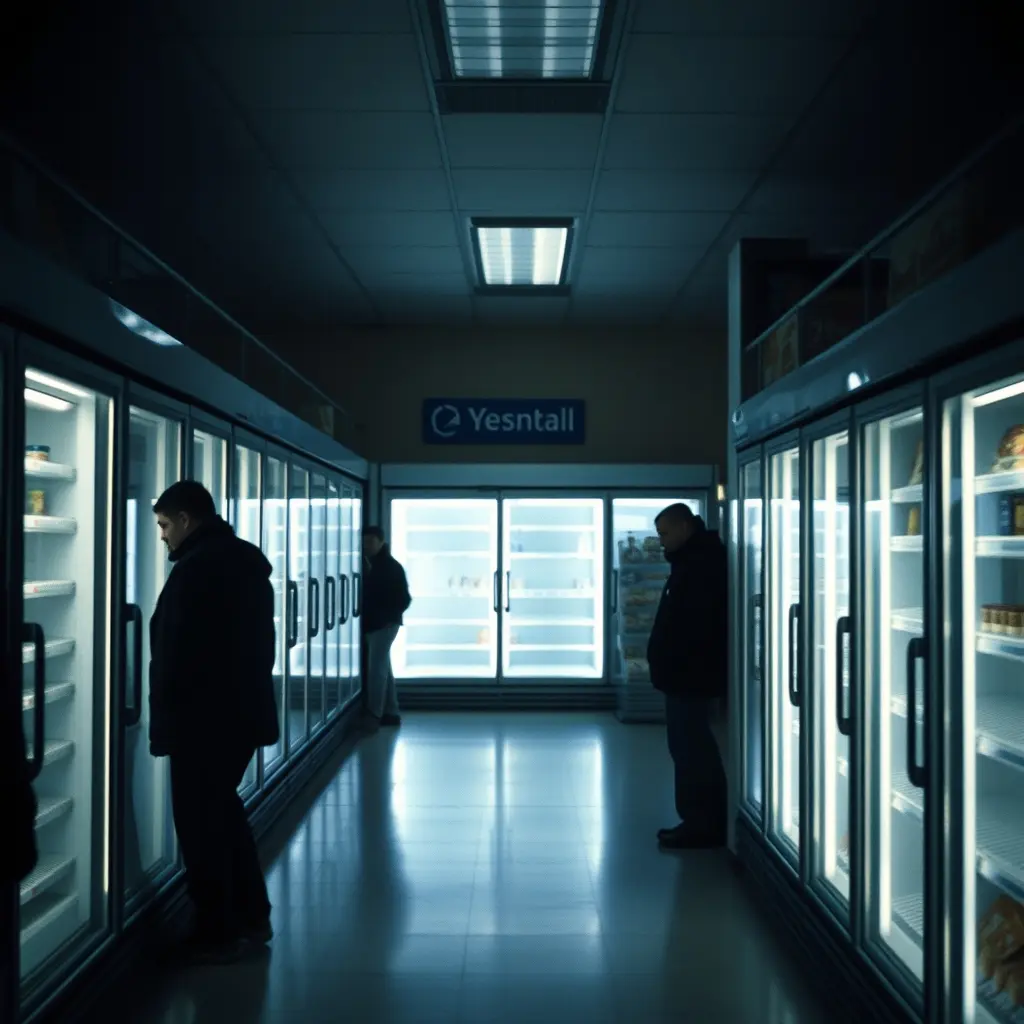
Across Europe, a wave of cyberattacks has targeted supermarket refrigeration systems, leading to millions of dollars in spoiled food and widespread disruption. These incidents, which intensified in late 2026, have affected supermarkets in countries including Sweden, Belgium, Luxembourg, Ireland, Italy, and Estonia. The attacks involve remote takeover of fridge and freezer temperature controls, with some systems being set to extreme temperatures, such as 50 degrees Celsius (122 degrees Fahrenheit) or even 150 degrees Celsius (302 degrees Fahrenheit). While the perpetrators and their motives remain unclear, cybersecurity experts emphasize that this is not a new phenomenon but rather an escalation of risks associated with the increasing connectivity of everyday devices.
The Mechanism: Exploiting Vulnerabilities in Legacy Systems
These cyberattacks are not sophisticated breaches requiring cutting-edge technology. Instead, they exploit known vulnerabilities in older, internet-connected refrigeration control modules. French cybersecurity investigators have pointed to outdated remote control modules from manufacturers like Danfoss and Copeland as key culprits. Many of these systems are older products that no longer receive crucial software or security updates, leaving them susceptible to attack. The common entry points identified include internet-facing controllers, end-of-life firmware, and, most critically, default passwords. This means that attackers are gaining access through readily available weaknesses, often referred to as "technical debt coming due," rather than through novel exploits. Supermarkets connect these systems to remotely monitor temperatures, receive alerts about potential spoilage, optimize energy consumption, and facilitate remote maintenance. However, each connected device becomes a potential entry point for cyber threats if not adequately secured.
Who is Affected and How: Spoilage, Costs, and a Wake-Up Call
The most immediate impact of these attacks is the significant financial loss due to spoiled food. Tons of perishable goods have been rendered unsellable, costing supermarkets millions of euros. Beyond the financial damage, the incidents disrupt daily operations, requiring technicians to spend hours regaining control of systems and implement emergency measures, such as disconnecting Wi-Fi connections to refrigeration units to prevent further unauthorized access. For consumers, this could eventually translate into higher prices or reduced availability of certain products. More broadly, these attacks serve as a stark "wake-up call" for businesses. Cybersecurity experts like Katerina Mitrokotsa of the University of St. Gallen highlight that many organizations are prioritizing flashy new technologies like AI while neglecting the fundamental security of essential operational systems. Nicole Carignan of Darktrace notes that investments are often poured into digital transformation initiatives, leaving critical infrastructure like refrigeration systems underfunded and vulnerable.
What Happens Next: Fortifying Defenses and Addressing Technical Debt
Investigations into the exact perpetrators and their motives are ongoing, with national cybersecurity agencies across Europe, including France's ANSSI, coordinating efforts. Moving forward, the focus will be on fortifying defenses against such attacks. This includes urging organizations to move away from "legacy technology" and implement better "cyber hygiene," such as changing default passwords and ensuring regular software updates. The U.K.'s National Cyber Security Centre has already issued warnings and contacted organizations with vulnerable technology exposed. Cybersecurity experts advocate for treating connected appliances not as simple devices but as small computers requiring robust security measures. This may involve replacing outdated control modules, implementing stronger network segmentation, and increasing investment in the security of operational technology (OT) alongside information technology (IT). The long-term solution lies in a comprehensive approach to cybersecurity that addresses both the immediate threats and the underlying technical debt that makes these systems vulnerable.
Share this article
Send the story to readers on social or messengers.
Comments
Loading comments…

New Times Reporter
Editorial coverage from New Times Reporter.