Apple's AI Strategy: On-Device Power as Competitive Edge
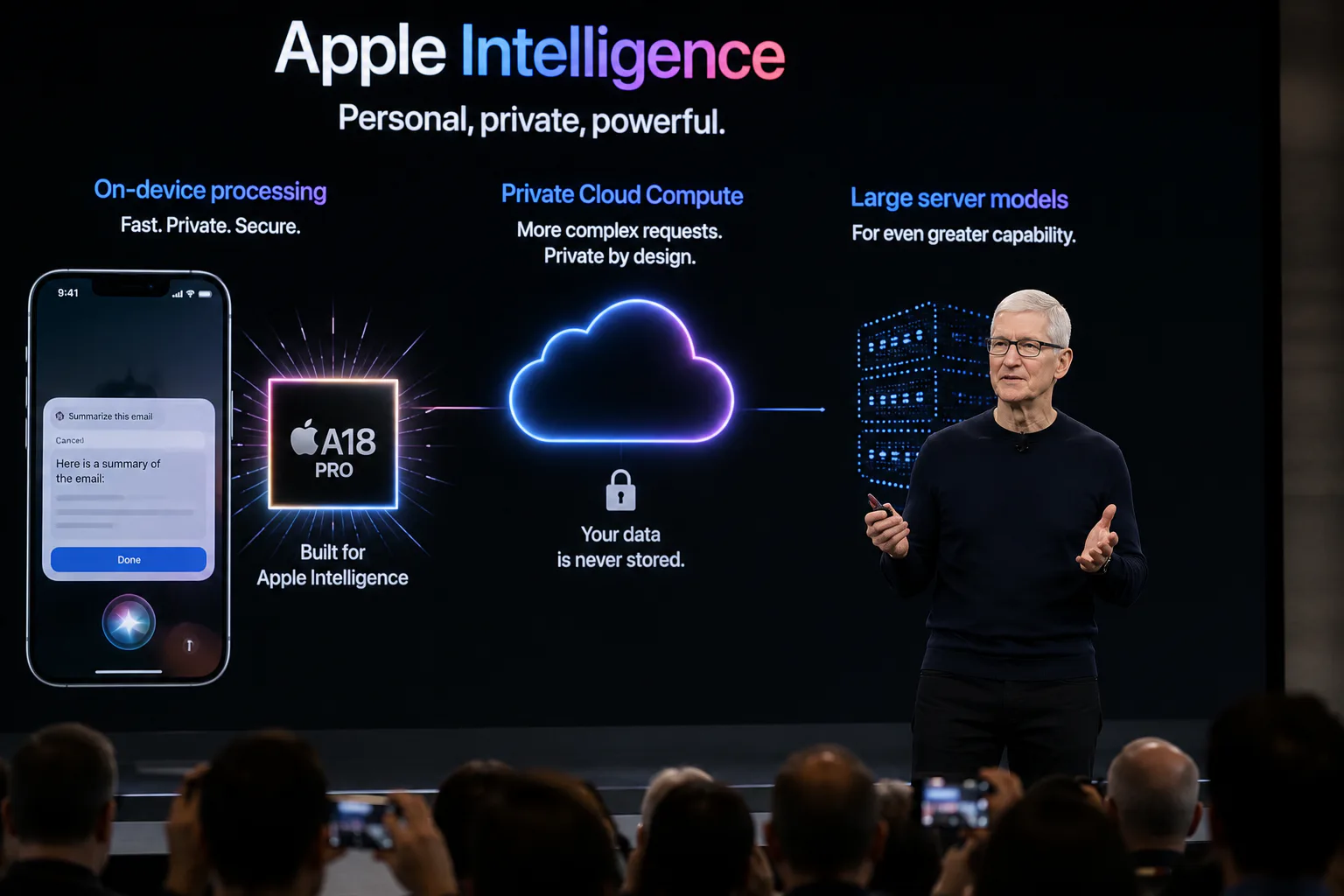
Apple CEO Tim Cook has positioned the company's distinctive approach to artificial intelligence, which heavily emphasizes on-device processing, as a significant competitive advantage. This hybrid strategy, blending local processing with cloud capabilities, is seen by Cook as a "competitive weapon" that differentiates Apple in the rapidly evolving AI landscape. The company's focus on privacy and performance, facilitated by its powerful silicon, underpins this strategic direction.
While many rivals are pushing for cloud-centric AI solutions, Apple's commitment to running AI tasks directly on its devices like iPhones and Macs offers distinct benefits. This approach enhances user privacy by keeping data local, reduces reliance on network connectivity, and can lead to faster response times for AI-powered features. Apple's proprietary chips, known for their efficiency and power, are central to enabling these on-device capabilities, allowing for complex AI computations without draining battery life or compromising user experience.
The implications of this strategy extend to how Apple might monetize its AI advancements. Reports suggest the company is considering offering enhanced iCloud+ tiers specifically for users who require significant AI processing power, potentially moving towards a subscription model for advanced AI services. This could involve offering more cloud-based AI capabilities to complement the on-device processing, catering to power users and enterprise clients who need robust AI support.
This move towards potentially paid AI features within iCloud+ signals a shift in Apple's service revenue strategy. While the specifics remain under wraps, the idea is to leverage the company's integrated hardware and software ecosystem to deliver premium AI experiences. This could include more sophisticated voice assistants, advanced content creation tools, and personalized AI-driven insights, all accessible through a tiered subscription model that aligns with usage intensity.
Apple's AI development path has been characterized by a deliberate, integrated approach. Unlike competitors who often rely on third-party AI models or solely cloud infrastructure, Apple has been steadily building its own AI capabilities, from foundational models to user-facing applications. This vertical integration allows for tighter control over performance, security, and the overall user experience, ensuring that AI features feel seamless and intuitive within the Apple ecosystem.
The emphasis on on-device AI aligns with Apple's long-standing commitment to user privacy. By processing sensitive data locally, Apple minimizes the risk of data breaches and unauthorized access that can occur with cloud-based systems. This privacy-first stance is a key differentiator for Apple, resonating with consumers who are increasingly concerned about how their personal information is collected and used, especially in the context of powerful AI technologies.
Cook's framing of Apple's AI strategy as a "competitive weapon" underscores the company's confidence in its unique path. While the exact rollout and feature set of Apple's AI enhancements are still unfolding, the underlying philosophy of prioritizing on-device processing, privacy, and seamless integration is clear. This approach is designed to set Apple apart in a crowded market, offering a distinct value proposition to its user base and potentially setting new industry standards for AI integration.
The development of advanced AI models that can run efficiently on mobile hardware represents a significant engineering feat. Apple's investment in its silicon design teams and its ongoing research in machine learning are crucial components of this strategy. The company's ability to pack powerful AI processing capabilities into devices that are both energy-efficient and portable is a testament to its technological prowess and its long-term vision for AI.
Looking ahead, Apple's hybrid AI model is expected to power a new generation of features across its product lines. From more intelligent personal assistants and enhanced creative tools to improved accessibility features and proactive health monitoring, AI will play an increasingly central role. The company's commitment to on-device processing suggests that these advancements will be delivered with a strong emphasis on user privacy and performance, reinforcing Apple's brand identity and its appeal to a discerning global customer base.
The potential for paid AI services via iCloud+ also signifies Apple's ongoing diversification of its revenue streams. As hardware sales growth moderates, services have become an increasingly important part of Apple's business. Offering premium AI capabilities as a subscription service could tap into a lucrative market, providing a recurring revenue stream that complements its hardware sales and further strengthens its ecosystem lock-in.
This strategic focus on on-device AI is not merely a technical choice but a fundamental aspect of Apple's product philosophy. It reflects a deep understanding of user needs and expectations, particularly concerning privacy and seamless integration. By making AI a powerful, yet private, tool accessible directly on its devices, Apple aims to redefine the user experience and solidify its position as a leader in the next wave of technological innovation.
Industry analysts are closely watching Apple's AI rollout, with many acknowledging the potential strength of its on-device strategy. The ability to deliver sophisticated AI without compromising privacy or performance could indeed prove to be a significant differentiator. However, the success of this strategy will ultimately depend on the real-world utility and perceived value of the AI features Apple introduces, and how effectively it can communicate this value to consumers and potentially monetize it through services like iCloud+.
The competitive landscape for AI is fierce, with major technology companies investing billions in research and development. Apple's commitment to its unique AI path, centered on on-device processing, demonstrates a clear vision to carve out its own niche. This approach, if executed successfully, could lead to a more private, performant, and user-centric AI experience, setting a new benchmark for the industry.
Share this article
Send the story to readers on social or messengers.
Comments
Loading comments…

New Times Reporter Staff
Compiled and edited by the New Times Reporter newsroom from wire and publisher reporting, with the original source credited on every story.