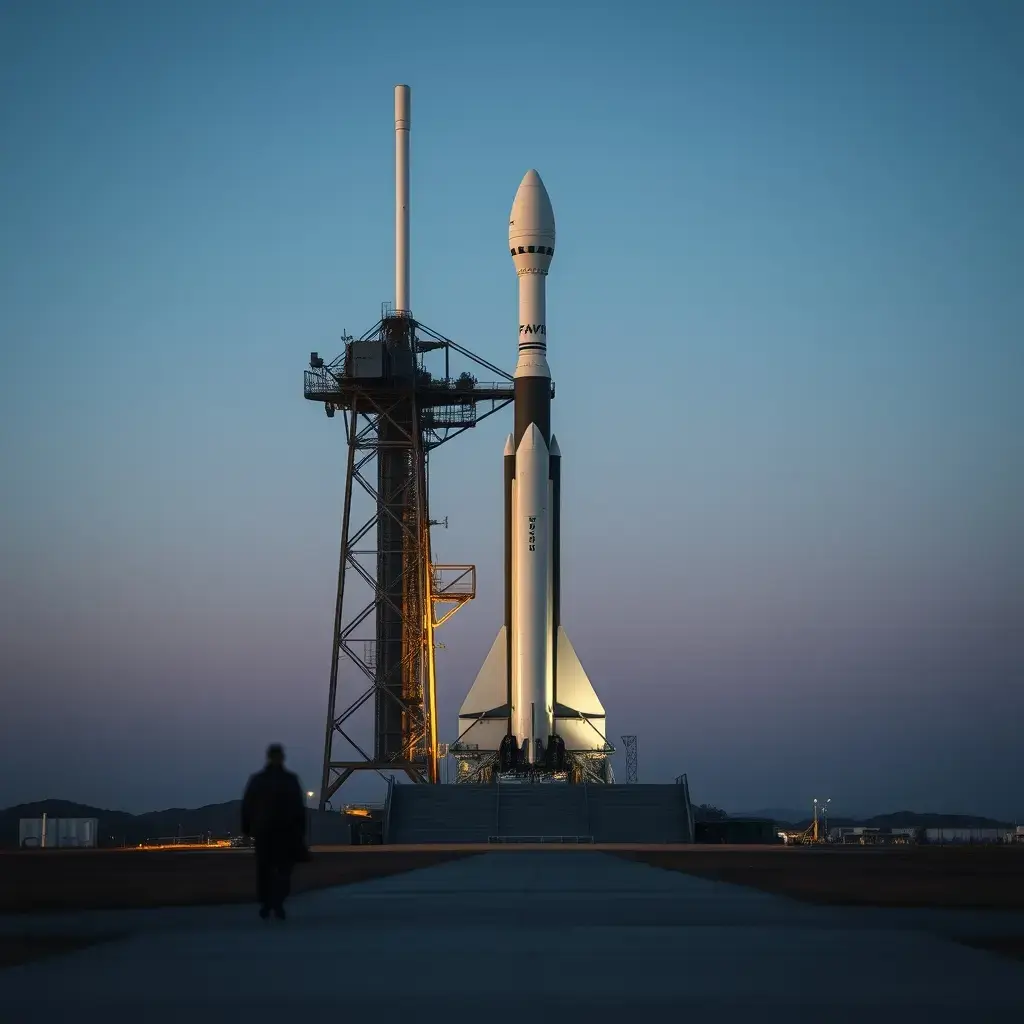
Why is a fictional North Korea invasion popular in South Korea?

The Context: A Fictional Conflict Hits Home
The release of 'Call of Duty: Modern Warfare 4' has seen an unexpected surge in popularity in South Korea, with a fictional scenario depicting an invasion of North Korea by a coalition of nations topping sales charts. This fictional conflict, set against a backdrop of heightened geopolitical tensions on the Korean peninsula, resonates with players in a way that transcends typical entertainment. The game's narrative, while fictional, touches upon real-world anxieties and historical context, making its virtual battlefield a compelling, albeit sensitive, draw for consumers.
South Korea has lived under the shadow of North Korea's nuclear program and its unpredictable leadership for decades. The Korean War, which officially ended in 1953 with an armistice rather than a peace treaty, has left the two Koreas technically in a state of war. This enduring division and the constant low-level threat have shaped the national psyche and continue to influence cultural consumption, including how fictional portrayals of conflict are received. The 'Call of Duty' franchise, known for its realistic military simulations and often controversial themes, has a global following, but its success in South Korea with this particular installment suggests a unique cultural and political resonance.
The Mechanism: How 'Modern Warfare 4' Simulates Conflict
'Call of Duty: Modern Warfare 4' employs advanced game engine technology to create a highly immersive and realistic combat experience. Players engage in a variety of game modes, including a single-player campaign, cooperative missions, and competitive multiplayer battles. The fictional narrative of 'Modern Warfare 4' centers on a global response to a destabilizing act by a rogue state, which in the game's lore, is heavily implied to be North Korea. The game meticulously recreates modern military hardware, from advanced weaponry and vehicles to tactical combat scenarios.
Gameplay mechanics focus on fast-paced action, strategic team coordination, and player skill. The single-player campaign often follows a narrative arc that involves international special forces units undertaking high-stakes missions. Multiplayer modes allow players to assume the roles of various combatants, utilizing different classes and loadouts. The game's success in South Korea is attributed, in part, to its detailed depiction of military operations and its ability to translate real-world geopolitical anxieties into engaging, albeit violent, virtual scenarios. The inclusion of specific, albeit fictionalized, geopolitical flashpoints, such as a potential conflict on the Korean peninsula, adds a layer of relevance for players in the region.
Who is Affected and How: Players and Geopolitical Discourse
South Korean gamers are directly affected by the popularity of 'Call of Duty: Modern Warfare 4' as consumers seeking entertainment and a visceral gaming experience. For many, the game offers an escape and a way to engage with themes of national security and international conflict in a controlled, virtual environment. The game's success indicates a significant segment of the South Korean population finds this particular fictional conflict engaging, possibly as a cathartic release or a way to process latent anxieties about their geopolitical situation.
Beyond individual players, the game's reception can indirectly influence public discourse. While video games are primarily forms of entertainment, their narratives can sometimes shape perceptions, even subconsciously. The widespread popularity of a game that features a fictional conflict with North Korea could, for some, reinforce existing perceptions or introduce new, albeit fictionalized, ideas about the nature of such a conflict. However, it is crucial to distinguish between fictional portrayals and reality; the game's developers have not claimed to offer a realistic depiction of potential inter-Korean warfare, but rather a dramatic narrative for entertainment purposes. The South Korean government and military have not officially commented on the game's popularity, likely recognizing its status as fiction.
What Happens Next: Future Releases and Cultural Impact
The success of 'Call of Duty: Modern Warfare 4' in South Korea suggests a potential for future installments in the franchise to continue exploring similar geopolitical themes, provided they resonate with the market. Developers may analyze the sales data and player reception to inform future narrative choices. If future 'Call of Duty' titles continue to feature scenarios that touch upon the Korean peninsula or similar geopolitical tensions, their reception in South Korea will likely be closely watched.
For the game to maintain its popularity, subsequent releases would need to continue delivering on the franchise's core gameplay promises while potentially adapting to evolving player expectations and the geopolitical landscape. If future 'Call of Duty' games avoid sensitive geopolitical themes or shift focus to different regions, their impact in South Korea might diminish. Conversely, if developers continue to tap into the region's unique geopolitical context, they could solidify 'Call of Duty' as a consistently top-selling franchise there. The long-term cultural impact will depend on how these fictional narratives continue to be received and whether they spark broader conversations or remain purely within the realm of entertainment.
Share this article
Send the story to readers on social or messengers.
Comments
Loading comments…

New Times Reporter
Editorial coverage from New Times Reporter.