Why is SpaceX slowing its Falcon 9 launch cadence?
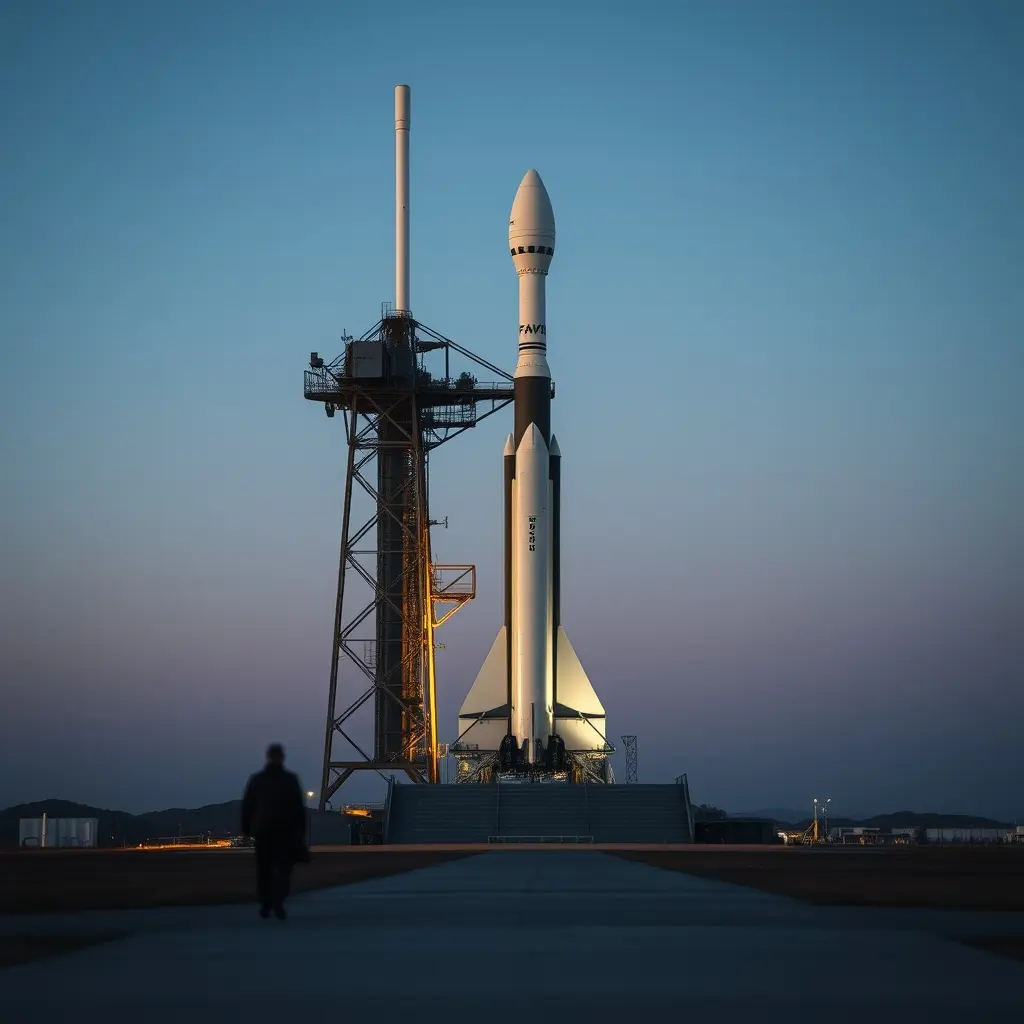
The Background: SpaceX's Rapid Launch Pace
SpaceX, the private aerospace company founded by Elon Musk, has become synonymous with rapid satellite launches, particularly for its Starlink constellation. Since the company began its ambitious project to blanket the Earth with internet-providing satellites, it has operated a relentless launch schedule. The Falcon 9 rocket, SpaceX's workhorse, has been the primary vehicle for deploying these satellites, with the company often achieving launch cadences that far outpace any other spacefaring nation or private entity. This high frequency of launches is crucial for the rapid expansion and maintenance of the Starlink network, which aims to provide global broadband internet access.
This accelerated pace has allowed SpaceX to deploy thousands of Starlink satellites, making it one of the largest satellite constellations in orbit. The company's ability to reuse its Falcon 9 rocket boosters, landing them vertically after each launch, has been a key factor in enabling this high cadence and reducing the cost of space access. This reusability strategy has fundamentally altered the economics of spaceflight and allowed for more frequent missions.
The Mechanism: Understanding Launch Cadence
The term 'launch cadence' refers to the frequency with which a rocket system can launch missions. For SpaceX, this cadence is determined by several factors. The primary constraint is the availability and readiness of the Falcon 9 rocket itself, including its boosters, fairings, and upper stages. Each rocket component requires rigorous inspection, refurbishment, and reassembly after a flight before it can be cleared for another launch. This process, while streamlined by SpaceX's reusability efforts, still takes time.
Another critical factor is the availability of launch sites and the associated ground support infrastructure. SpaceX operates multiple launch sites, including Vandenberg Space Force Base in California and Cape Canaveral Space Force Station in Florida. Each launch requires extensive pre-flight checks, fueling, and coordination with air and sea traffic control to ensure a safe trajectory. The number of available launch pads and the operational tempo of these facilities directly impact how many launches can occur within a given period.
Who is Affected and How: Starlink Users and Competitors
The slowing of SpaceX's launch cadence has direct implications for the expansion and enhancement of the Starlink internet service. For existing Starlink users, a slower deployment rate could mean a longer wait for potential service improvements or new features that rely on an expanded satellite network. While the current service is generally robust, future upgrades, increased bandwidth, or expanded coverage in remote areas might be delayed. The company's goal is to achieve a fully functional, high-speed global network, and any slowdown in satellite deployment could affect the timeline for reaching that objective.
For potential new customers, especially those in underserved regions where traditional broadband options are limited, a slower cadence could mean a longer waiting period to access Starlink services. The company has accumulated a significant backlog of pre-orders in many regions. Furthermore, competitors in the satellite internet and terrestrial broadband markets are closely watching SpaceX's progress. A slower deployment might offer them a brief window to catch up or solidify their own market positions before the Starlink constellation reaches its full operational capacity. The aerospace industry as a whole also monitors SpaceX's operational efficiency, as it sets benchmarks for future space ventures.
What Happens Next: Potential Outcomes
The future trajectory of SpaceX's launch cadence depends on several variables. One possibility is that the current slowdown is temporary, a result of specific logistical challenges or a strategic decision to focus on refining existing hardware and software. If SpaceX can overcome these hurdles, the cadence could return to its previous high levels, driven by the ongoing need to replenish and expand the Starlink constellation. This would require continued success in booster refurbishment and efficient scheduling of launch site operations.
Alternatively, the slowdown could signal a shift towards a more sustainable, albeit less aggressive, launch tempo. This might occur if SpaceX prioritizes long-term reliability and cost-efficiency over sheer speed, or if regulatory hurdles or manufacturing bottlenecks become more significant. A sustained lower cadence would necessitate a recalibration of Starlink's expansion plans and could lead to a more gradual rollout of new services and coverage areas. The development and integration of new rocket technologies, such as Starship, could also influence future launch strategies, potentially leading to a different cadence for heavy-lift missions compared to the Falcon 9.
Share this article
Send the story to readers on social or messengers.
Comments
Loading comments…

New Times Reporter
Editorial coverage from New Times Reporter.