'Completely misrepresented': Defense Secretary defends USS Abraham Lincoln amid reports of crisis
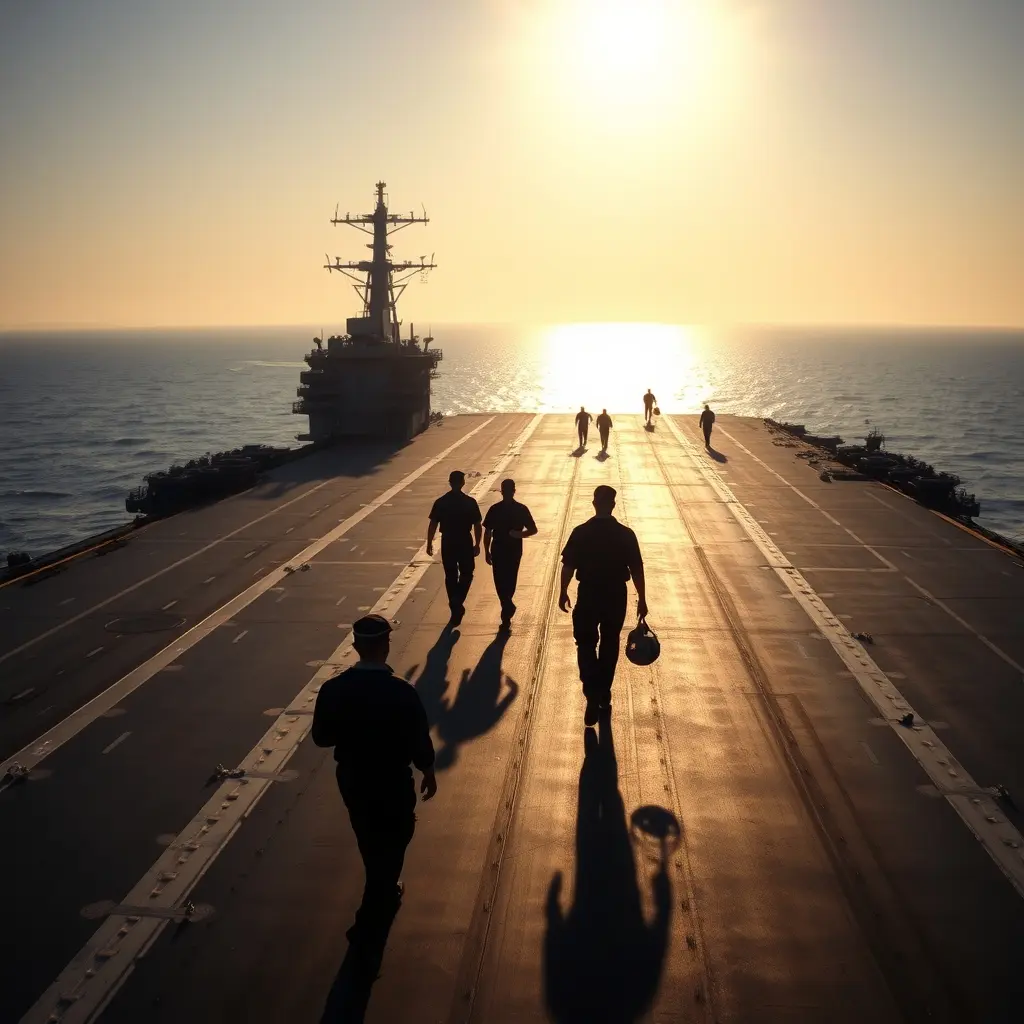
Defense Secretary Pete Hegseth stated on August 13, 2026, that reports detailing poor conditions aboard the USS Abraham Lincoln aircraft carrier in the Middle East have been "completely misrepresented." These reports, published by military news outlets Navy Times and Stars and Stripes, described declining morale and suicide attempts among the 5,000-person crew, who have been deployed since November 2025 and in the Middle East supporting the U.S. war with Iran since January 2026.
Hegseth asserted that the Navy provides its crews with all necessary resources, acknowledging that some deployments are longer than others, especially during conflict. He expressed profound gratitude for the sailors serving under challenging, austere conditions with limited port calls. Extended deployments, typically lasting six to nine months, can be prolonged during wartime, posing significant strain on the mental health of crews. This is particularly acute given the heightened state of alert required due to threats of drone and missile attacks from Iran.
The Strain of Extended Deployments
Aircraft carrier deployments are meticulously planned, with crews expected to serve for extended periods, often exceeding the standard six to nine months, particularly when the U.S. is engaged in active conflict. The USS Abraham Lincoln's current deployment in the Middle East, supporting operations against Iran, began in January 2026 and has seen the ship at sea since November 2025. This extended duration places immense pressure on the 5,000-person crew.
Sailors aboard the Lincoln face a constant state of readiness, heightened by the persistent threat of aerial attacks from Iran. This includes maintaining vigilance against drones and missiles, a task that demands sustained concentration and can lead to significant psychological fatigue. The lack of regular port calls, a common feature of prolonged deployments in conflict zones, further exacerbates this strain, limiting opportunities for rest and personal respite.
Reports of Deteriorating Conditions
Despite Secretary Hegseth's assurances, reports from military-focused publications have painted a starkly different picture of life aboard the USS Abraham Lincoln. Navy Times and Stars and Stripes published accounts detailing a significant decline in crew morale, with specific mentions of suicide attempts. These reports also highlighted widespread issues such as shortages of basic supplies, problems with water contamination and plumbing, and concerns over deck safety.
Furthermore, the reports indicated disruptions within the ship's mail system, leading to delays and the loss of care packages for months. These issues have contributed to a deterioration in the mental health of the sailors. U.S. Senator Richard Blumenthal has formally communicated these concerns to Secretary Hegseth and the Navy secretary, citing the numerous reports of these adverse conditions.
Precedents and Next Steps
Extended naval deployments, particularly in active conflict zones, have historically presented challenges to crew well-being. The U.S. Navy has long grappled with maintaining morale and mental health under such prolonged conditions. In response to the reported issues on the USS Abraham Lincoln, a pre-planned rotation is underway, with the aircraft carrier USS George Washington heading to the region to relieve the Lincoln. This move, according to a U.S. official speaking anonymously, was scheduled in advance.
Democratic lawmakers have expressed dissatisfaction with the extended deployment and the reported conditions. The situation raises questions about the Navy's preparedness and resource allocation for prolonged operations in high-threat environments. Future deployments may see increased scrutiny on crew welfare, mental health support, and the provision of essential supplies to mitigate the impact of extended time at sea. The successful rotation of the USS George Washington is expected to alleviate some of the immediate pressure on the Lincoln's crew, but the underlying challenges of wartime deployments remain.
Share this article
Send the story to readers on social or messengers.
Comments
Loading comments…

New Times Reporter
Editorial coverage from New Times Reporter.