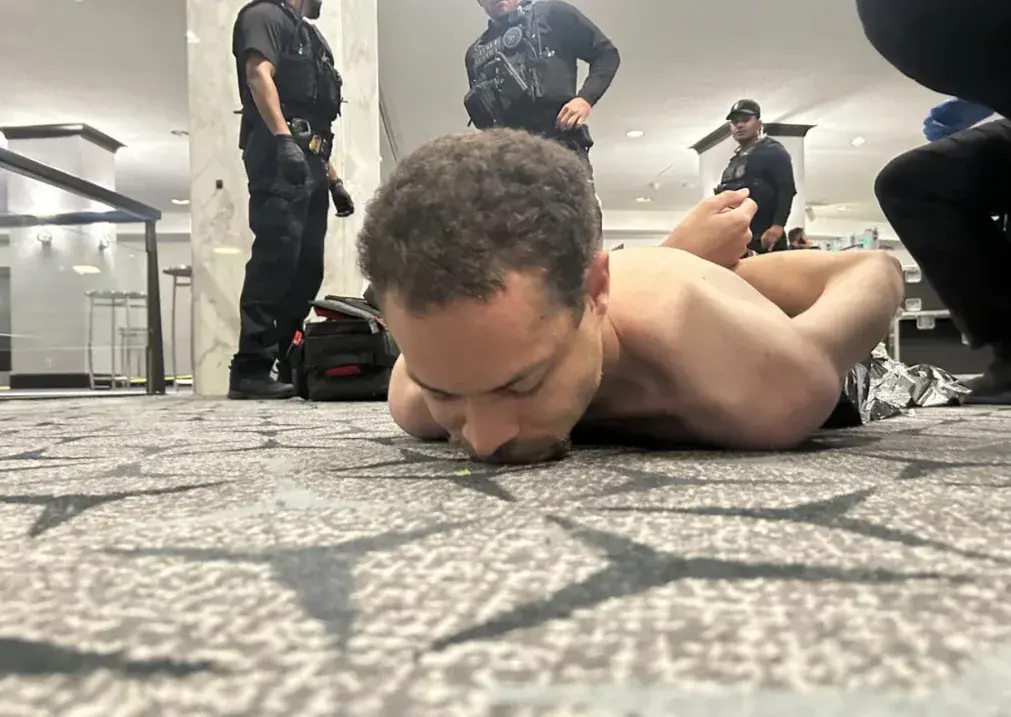
Fauci Invokes Fifth Amendment 111 Times in Contentious Senate Hearing Over COVID Response
A fierce political and legal dispute has erupted on Capitol Hill following a high-profile Senate hearing where Dr. Anthony Fauci, former Director of the National Institute of Allergy and Infectious Diseases (NIAID), repeatedly invoked his Constitutional right against self-incrimination.
During a tense session before the Senate Homeland Security and Governmental Affairs Committee, Dr. Fauci refused to answer questions regarding his role in America's pandemic strategy, gain-of-function research funding, and internal communications, citing the Fifth Amendment a total of 111 times under the guidance of his legal counsel.
The Reversal: 2022 Promises vs. Congressional Silence
The decision to stay silent marks a sharp departure from Dr. Fauci’s earlier public statements. In a widely cited 2022 CNN interview, the top medical advisor assured the public that he had "nothing to hide" and expressed full readiness to testify before congressional oversight panels to justify his administrative actions.
However, during the latest proceedings, Fauci’s defense team pointed to what they described as a targeted legislative campaign aimed at criminal prosecution rather than fact-finding. Fauci specifically addressed continuous criticism from Senator Rand Paul (R-KY), claiming that recent leaks of his personal diary entries were orchestrated to provoke statements that could be used against him legally.
"Although it pains me to do so because of the respect I have for the legislative branch of government... under the advice of my attorneys, I will invoke my right under the Fifth Amendment," Fauci stated before halting further testimony.
Contempt Charge and Legal Debate Over Presidential Pardons
The stalemate has prompted immediate pushback from committee members. Senator Rand Paul announced plans to pursue a formal vote to hold Dr. Fauci in contempt of Congress, questioning whether invoking the Fifth Amendment remains legally valid in light of Fauci's existing presidential pardon.
Under U.S. constitutional law, the Fifth Amendment protects individuals from self-incrimination. Legal scholars and lawmakers are now debating whether a presidential pardon negates that protection, as an individual who has received executive clemency may no longer face prosecution for covered past acts, potentially removing the risk of self-incrimination unless perjury occurs.
Broader Political Fallout
The hearing highlights the ongoing congressional efforts to audit federal decision-making during the COVID-19 crisis, including school closure mandates, public health guidelines, and virus origin theories.
As lawmakers debate next steps, the standoff represents one of the most significant constitutional clashes between executive health officials and congressional oversight committees in recent history.
Share this article
Send the story to readers on social or messengers.
Comments
Loading comments…

Arthur Sterling
Arthur Sterling covers politics and global affairs with a focus on policy impact and institutional dynamics.