Former NFL Star Billy Ray Smith Dies at 64, Family Cites CTE
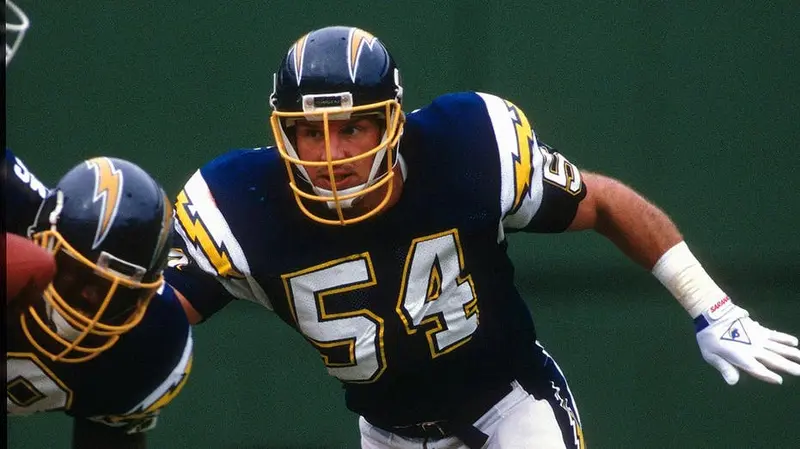
Former San Diego Chargers linebacker Billy Ray Smith, a top NFL draft pick and College Football Hall of Famer, has died at the age of 64. His family announced his passing, stating that Smith had been battling dementia attributed to Chronic Traumatic Encephalopathy (CTE), a degenerative brain disease linked to repeated head impacts.
The news of Smith's death adds another prominent name to the growing list of former NFL players whose families have publicly linked their neurological conditions to the sport. CTE, a progressive condition, has been diagnosed posthumously in over 100 former NFL players, according to research published in the Journal of Neurotrauma. Smith's family described his fight against the illness as one marked by "unmatched bravery, dignity, and strength."
Smith, who played his entire 10-year NFL career with the Chargers after being selected as the No. 5 overall pick in the 1983 draft, was a significant figure for the franchise. He was honored as part of the Chargers' 50th-anniversary team, leaving a legacy that included 15 career interceptions, 14 fumble recoveries, and 13 forced fumbles. His impact extended beyond statistics, with Chargers owner Dean Spanos remembering him as "larger than life," known for his positivity and infectious laughter.
"When someone who brought so much positivity into the world leaves us, it's hard to process. Hard to accept," Spanos said in a statement. He emphasized Smith's deep connections to his family, the Chargers, his teammates, and the community, noting the widespread affection for the former player. Smith's wife, Kimberly, and daughter, Savannah, were specifically mentioned in the owner's heartfelt tribute.
The circumstances surrounding Smith's passing are still pending, but his family's statement directly addresses the role of CTE in his dementia. This situation echoes recent public disclosures from families of other former athletes. The families of Aldon Smith, Steve McMichael, and Claude Lemieux have also indicated their loved ones' brains would be donated for CTE research. Lemieux died by suicide, and McMichael suffered from ALS, highlighting the diverse and severe health challenges faced by former players.
Former running back Chris Johnson also revealed earlier this year that he has been diagnosed with ALS, underscoring the ongoing health concerns within the former NFL player community. The NFL has long faced scrutiny regarding player safety and the long-term effects of head trauma. While the league has implemented rule changes and concussion protocols, the persistent diagnoses of CTE in former players continue to fuel debate about the sport's inherent risks.
Smith's journey through dementia, as described by his family, serves as a poignant reminder of the personal toll professional football can exact. His career, spanning from his collegiate success at Arkansas to his decade in the NFL, represents a significant chapter in Chargers history. The team's recognition of his contributions, both on and off the field, underscores his lasting significance to the organization and its fanbase.
The ongoing research into CTE and its connection to football is critical for understanding the disease's progression and developing potential treatments. The willingness of families like Smith's to share their experiences, though difficult, contributes vital data to scientific understanding. This collective effort aims to shed light on the long-term consequences of the sport and potentially inform future safety measures and player support systems.
Smith's passing at 64, following a battle with a condition strongly linked to his professional athletic career, prompts renewed reflection on the sacrifices made by athletes in high-impact sports. The legacy of players like Billy Ray Smith is not only defined by their on-field achievements but also by the broader conversations their health struggles inspire regarding player welfare and the enduring impact of the game.
Share this article
Send the story to readers on social or messengers.
Comments
Loading comments…

New Times Reporter Staff
Compiled and edited by the New Times Reporter newsroom from wire and publisher reporting, with the original source credited on every story.