Georgia Father Sentenced for Enabling Son's School Shooting
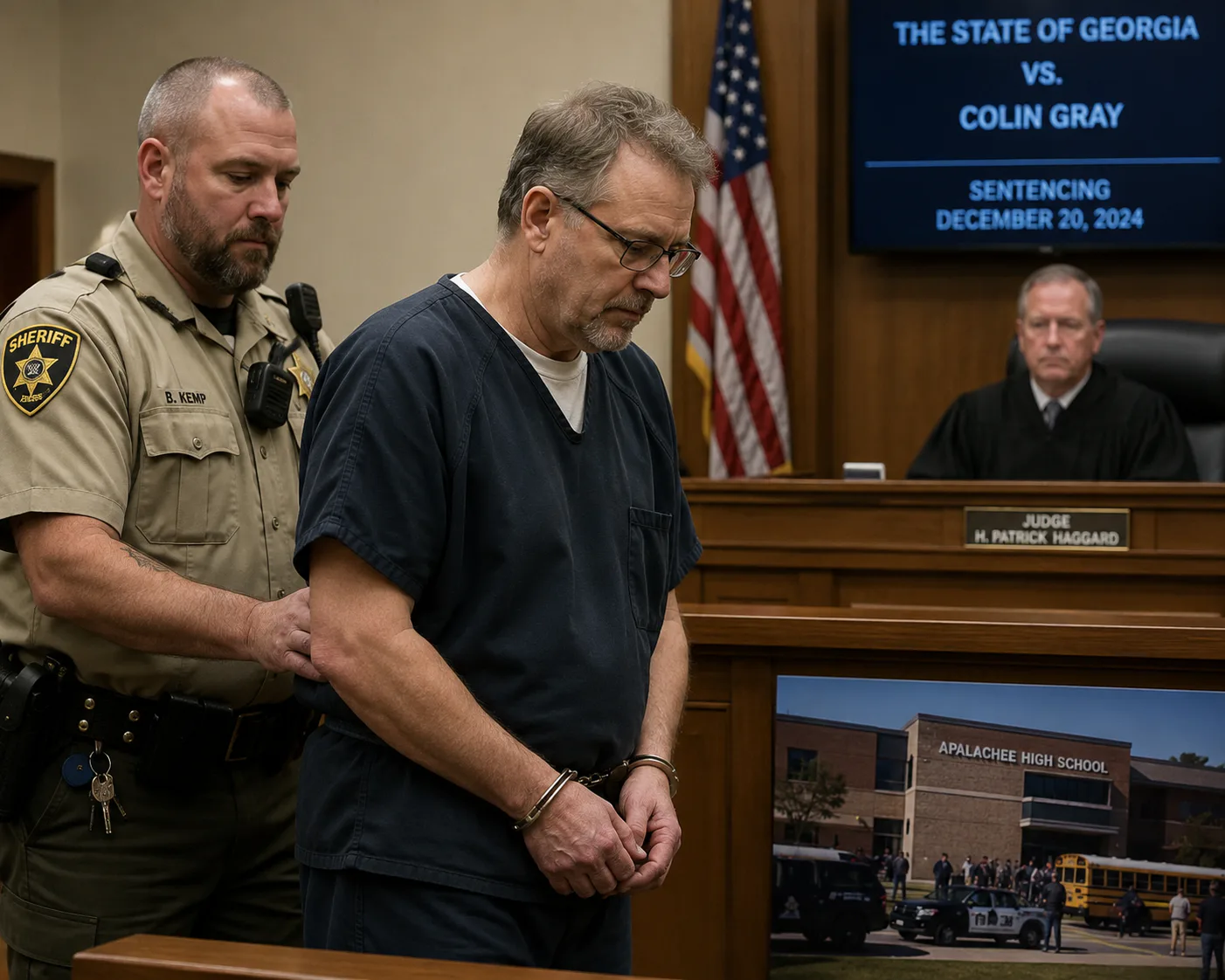
Colin Gray, the father of the Apalachee High School shooter, has been sentenced to 15 years in prison for his role in the 2023 incident that left multiple students injured. Gray pleaded guilty to a second-degree murder charge, a landmark conviction marking the first time a parent has been held criminally responsible for a school shooting committed by their child. The sentence, handed down in a Georgia courtroom, underscores a growing legal precedent holding gun owners accountable when their firearms are used in violent crimes, particularly those involving minors.
The conviction stems from Gray's purchase of the 9mm handgun used by his son, then a 16-year-old student, to open fire at the Winder, Georgia, high school on October 13, 2023. The attack resulted in injuries to at least three students. Gray admitted to buying the firearm for his son, who was legally too young to purchase a handgun himself. This act of providing the weapon, coupled with alleged failures to address his son's escalating behavioral issues, formed the basis of the charges against him.
Gray's sentencing follows his son's conviction for the shooting. The teenager was sentenced to life in prison with the possibility of parole, a stark contrast to the 15-year term his father received. Prosecutors argued that Colin Gray's actions, including the purchase of the firearm and a failure to secure it properly, directly contributed to the tragic events that unfolded at the school. His plea agreement avoided a potentially lengthy trial where further details of the family's circumstances might have been revealed.
The legal proceedings against Colin Gray have drawn national attention, setting a significant precedent in cases involving parental responsibility for school shootings. While many legal battles have focused on school districts or shooters themselves, this case directly implicates a parent for enabling the act through the provision of a weapon. Legal experts suggest this verdict could embolden prosecutors in other jurisdictions to pursue similar charges against parents or guardians who facilitate access to firearms used in crimes by minors.
Details emerging from the case indicate that the handgun was purchased by Colin Gray approximately one year before the shooting. Investigators found evidence suggesting that the weapon was not adequately secured, allowing the student access to it. The prosecution presented testimony and evidence detailing the student's alleged mental health struggles and prior threats, which Gray may have been aware of but did not sufficiently address, according to court documents. These factors were crucial in establishing Gray's culpability beyond merely purchasing the gun.
The sentencing of Colin Gray is part of a broader societal reckoning with gun violence, particularly in educational settings. Advocates for stricter gun control have pointed to this case as a critical example of how parental negligence can have devastating consequences. Conversely, gun rights organizations have expressed concerns that such convictions could lead to overreach and unfairly penalize responsible gun owners for the criminal actions of others, even when firearms are legally acquired and stored. The legal landscape surrounding gun ownership and parental liability is likely to continue evolving in the wake of this conviction.
Colin Gray's defense team had argued for leniency, emphasizing his remorse and cooperation with authorities following the incident. However, the judge presiding over the case ultimately determined that a substantial prison sentence was warranted to reflect the gravity of the offense and to serve as a deterrent. The 15-year sentence includes time served, though the exact duration of his incarceration will depend on parole eligibility and good behavior.
The aftermath of the shooting has had a profound impact on the Winder community and the families affected. The school implemented enhanced security measures, and counseling services were made available to students and staff. The legal outcomes for both Colin Gray and his son represent a complex legal and ethical response to a tragedy that has become all too familiar in American society. The case highlights the intricate web of responsibility that can ensnare families when firearms are involved in acts of violence.
Share this article
Send the story to readers on social or messengers.
Comments
Loading comments…

New Times Reporter Staff
Compiled and edited by the New Times Reporter newsroom from wire and publisher reporting, with the original source credited on every story.