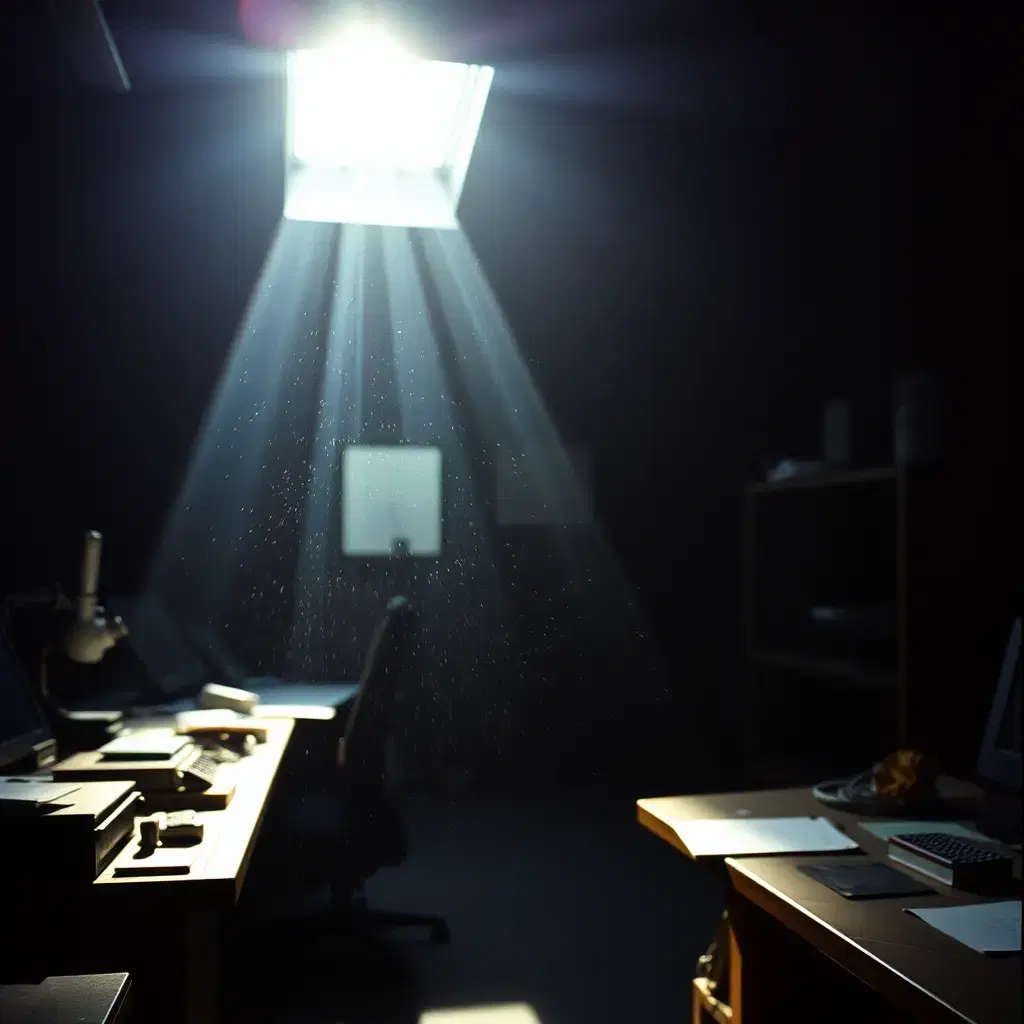
How can a startup light up the night sky from space?
The Vision: "Sunlight as a Service"
A US-based startup, Solestial, has demonstrated a technology that aims to beam concentrated sunlight from orbit to specific locations on Earth, effectively creating daylight after sunset. The company successfully tested a small-scale prototype in California's Mojave Desert on March 13, 2024, which projected a beam of light bright enough to illuminate an area roughly the size of a football field. Solestial's long-term goal is to offer "sunlight as a service," providing controllable, on-demand illumination for various purposes, such as extending daylight hours for agricultural research, powering solar farms during nighttime, or even for specific industrial processes.
This demonstration, however, was conducted without prior notification to the astronomical community, leading to significant criticism. Astronomers expressed concerns about potential light pollution, interference with sensitive telescope observations, and the broader implications of altering natural light cycles. The project has ignited a debate about who should have a say in deploying such technologies and the ethical considerations of manipulating Earth's natural illumination.
How it Works: Orbital Mirrors and Ground Receivers
The core of Solestial's technology involves a constellation of small satellites, each equipped with large, deployable mirrors. These mirrors are designed to capture sunlight in orbit and then precisely redirect it towards designated ground stations. The process can be visualized in a few key steps:
- Orbital Collection: Satellites orbit the Earth, positioned to receive maximum sunlight.
- Sunlight Capture: Large, highly reflective mirrors on the satellites collect solar energy.
- Beam Formation: Sophisticated systems on the satellites focus and direct the collected sunlight into a concentrated beam.
- Targeted Illumination: This beam is then aimed at specific terrestrial coordinates, effectively acting as a powerful, artificial spotlight.
The ground stations would likely be equipped with receivers or sensors to capture this directed light, potentially converting it into usable energy or simply utilizing its illumination properties. The company claims the light is designed to be "blindingly bright" at the target site but diffuse enough to avoid significant scatter into the atmosphere, a claim that remains a point of contention among scientists.
Who is Affected and How?
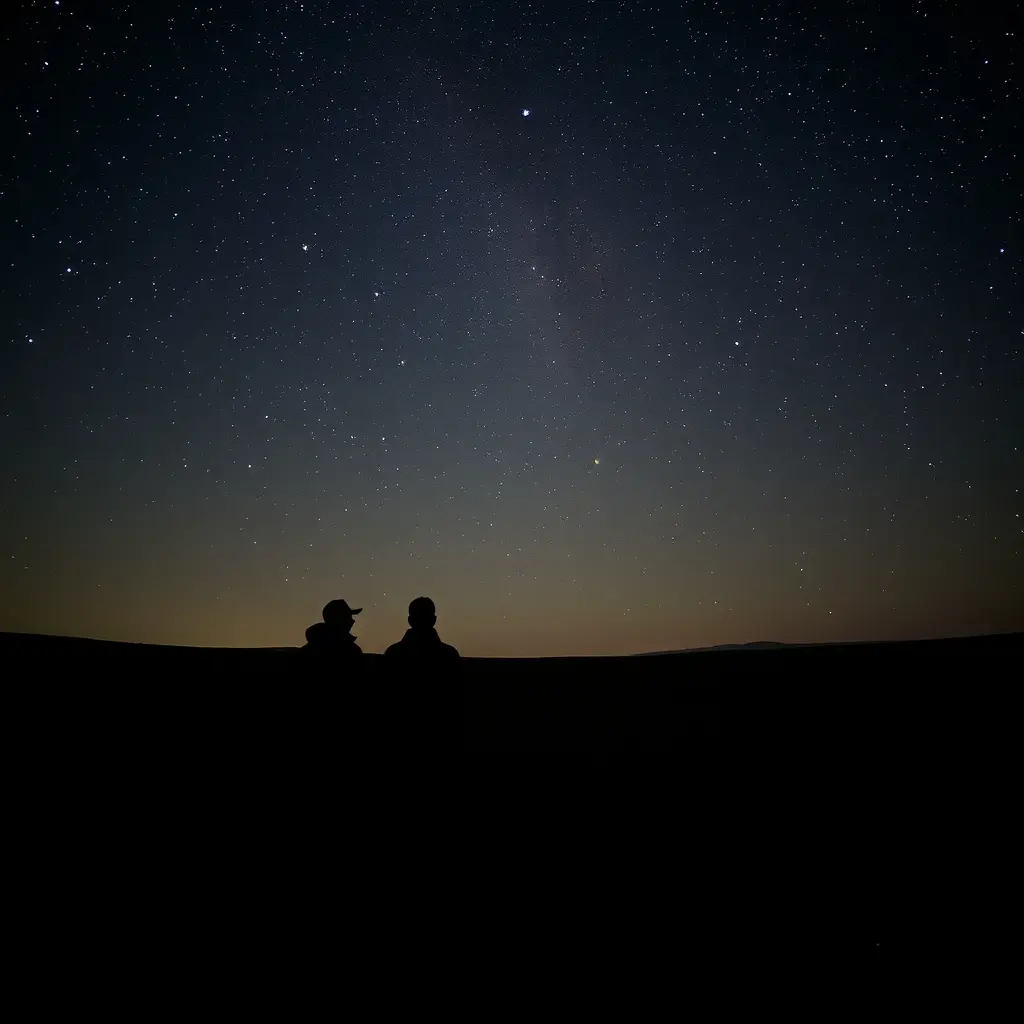
The primary group immediately affected and voicing concerns are astronomers and observatories. Light pollution is a major challenge for astronomical research, obscuring faint celestial objects and degrading the quality of data collected by telescopes. The introduction of artificial, high-intensity light beams from space could exacerbate these issues, potentially rendering certain wavelengths of light unusable for observation and impacting research that relies on the natural darkness of the night sky. This could affect ground-based observatories worldwide, particularly those in remote, dark-sky locations.
Beyond the scientific community, potential future applications could affect various industries. For agriculture, controlled nighttime lighting could allow for extended growing seasons or experiments with plant growth under specific light conditions. Energy sectors might explore using this concentrated sunlight to power solar farms during periods when natural sunlight is unavailable, potentially increasing overall energy output. However, the cost and scalability of such operations are still significant unknowns. For the general public, the most immediate concern is the aesthetic and ecological impact of altering natural nightscapes, with potential implications for nocturnal wildlife and human sleep patterns.
What Happens Next?
Solestial's demonstration has placed the company under intense scrutiny. The immediate next steps will likely involve further testing and development, potentially with more advanced prototypes. However, the backlash from the scientific community has put pressure on regulatory bodies to consider oversight for such space-based illumination technologies. It is probable that Solestial will need to engage in more transparent communication and collaboration with astronomers to address their concerns and potentially modify their technology to mitigate light pollution.
For Solestial to succeed, they will need to demonstrate that their technology can be deployed responsibly, minimizing its impact on scientific research and the environment. This could involve developing more precise beam control, reducing light scatter, or establishing strict operational protocols. If they can achieve this, their "sunlight as a service" model could find niche applications. Conversely, if regulatory hurdles become insurmountable, or if the environmental and scientific concerns are not adequately addressed, the project could be significantly delayed or even abandoned. The precedent for regulating space-based light pollution is still nascent, meaning future developments could shape international guidelines for orbital activities.
Share this article
Send the story to readers on social or messengers.
Comments
Loading comments…

New Times Reporter
Editorial coverage from New Times Reporter.