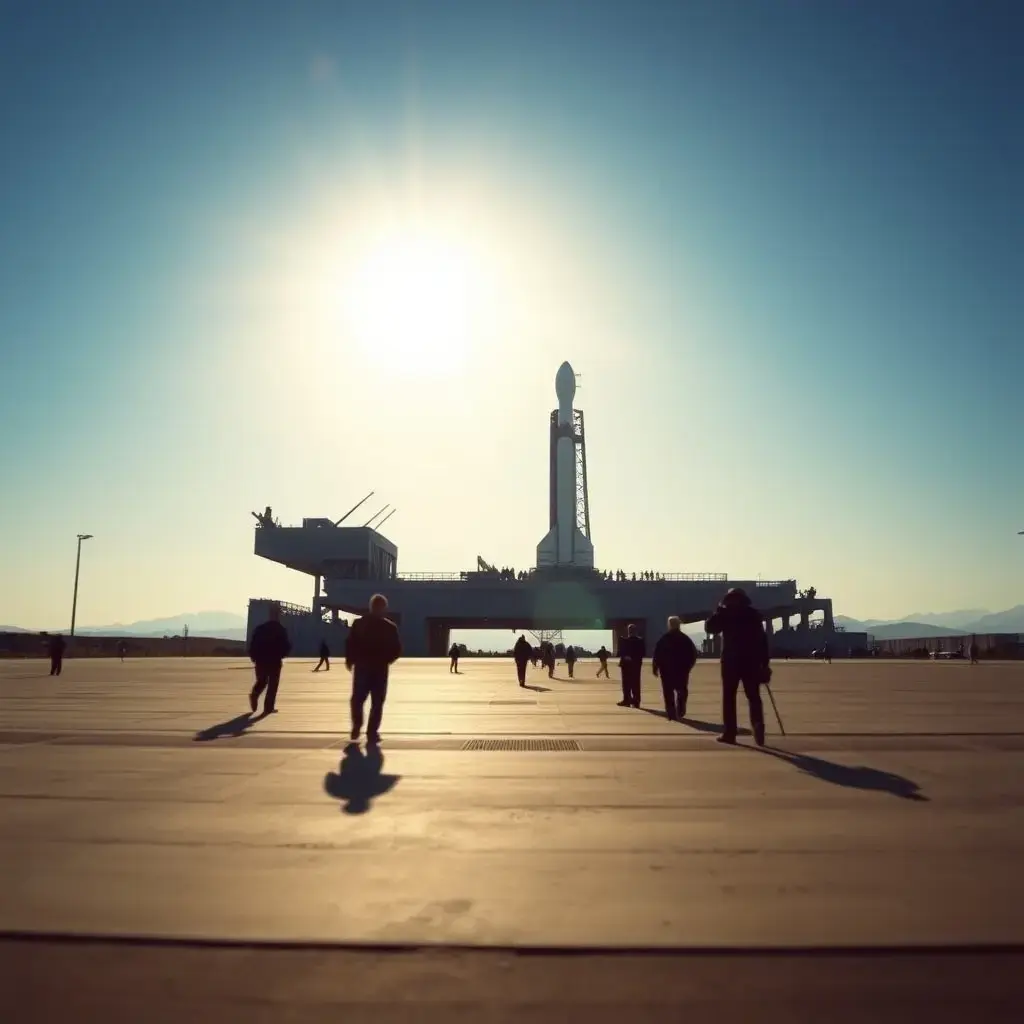
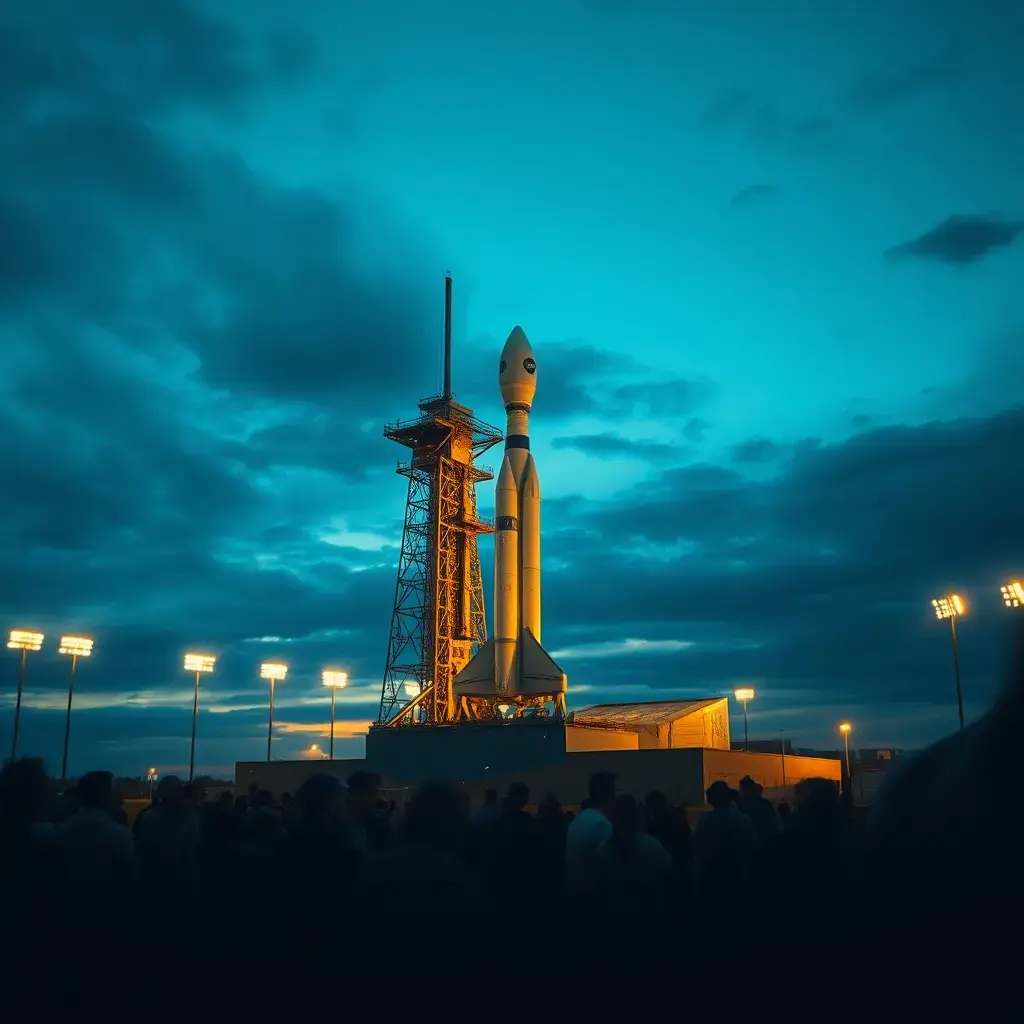
How can I become a NASA astronaut for the Artemis program?
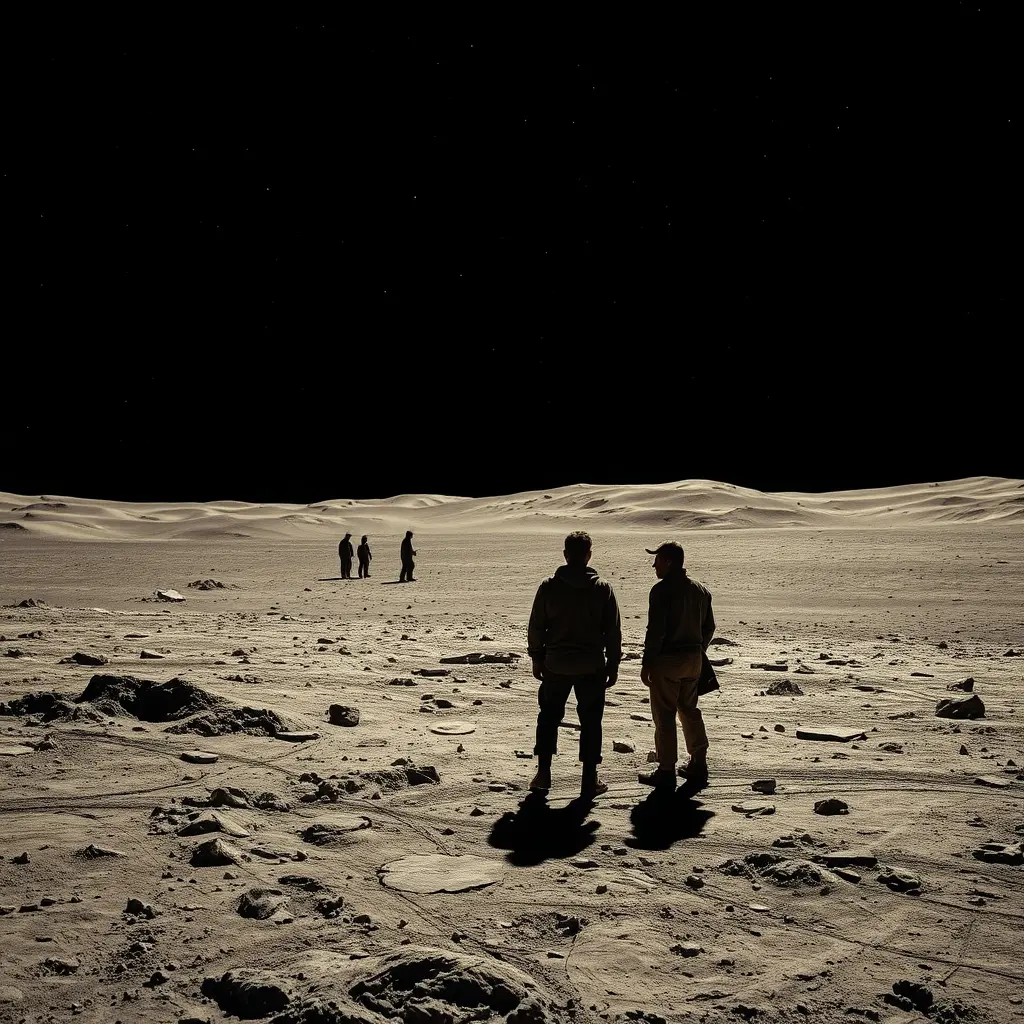
The Artemis Program's Goal
NASA is actively recruiting new astronauts to join the Artemis program, a critical initiative aimed at returning humans to the Moon and establishing a long-term lunar presence. This program is not just about planting flags; it's about developing the technologies and operational experience necessary for future human missions to Mars. The selection process is highly competitive, seeking individuals with a unique blend of technical expertise, physical fitness, and psychological resilience to undertake complex space missions.
This renewed focus on lunar exploration marks a significant shift in NASA's human spaceflight strategy. Unlike the Apollo missions, which were primarily about achieving a political goal, Artemis is designed for sustained exploration and scientific discovery. It aims to build infrastructure on and around the Moon, paving the way for commercial activities and providing a proving ground for deep-space technologies.
How Astronaut Selection Works
NASA's astronaut selection process is rigorous and multi-stage. Candidates typically need a master's degree in a STEM field (science, technology, engineering, or mathematics) from an accredited institution, or equivalent experience such as two years of work toward a PhD, a completed medical degree, or a test pilot school program. Additionally, applicants must have at least two years of related professional experience or 1,000 hours of pilot-in-command time in jet aircraft.
Physical requirements are also stringent. Candidates must pass NASA's long-duration spaceflight physical, which includes specific vision standards (correctable to 20/20 in each eye) and blood pressure limits. Following an initial application review, a select group undergoes interviews, medical evaluations, and psychological testing. The final candidates are then invited to NASA's Johnson Space Center in Houston, Texas, for a week of further interviews and assessments before the final selections are made.
Who is Affected and How
The most direct impact is on aspiring astronauts who will now have a clear pathway to join NASA's ranks with the Artemis program's expansion. For those selected, it means years of intensive training, culminating in potential lunar missions. Beyond the astronauts themselves, the program stimulates innovation across various sectors. Aerospace companies, research institutions, and technology developers are all involved in creating the hardware, software, and life support systems needed for lunar operations.
For the general public, the Artemis program offers a renewed sense of inspiration and a tangible connection to space exploration. It fosters interest in STEM education, potentially influencing future generations of scientists and engineers. The program's success could also lead to technological spin-offs that benefit life on Earth, similar to advancements made during the Apollo era, such as improved materials, medical technologies, and communication systems.
What Happens Next
NASA plans to announce the next class of astronaut candidates in the coming months, with training to commence thereafter. The Artemis program itself is progressing towards its subsequent missions, including Artemis II, which will orbit the Moon with a crew, and Artemis III, targeting a lunar landing. The success of these missions hinges on the continued development and testing of crucial hardware like the Space Launch System (SLS) rocket and the Orion spacecraft, as well as the lunar lander.
Future outcomes depend on several factors: consistent government funding, successful technological development and testing, and the ability to manage the complex international and commercial partnerships involved. Setbacks in any of these areas could delay timelines or necessitate adjustments to mission objectives. Ultimately, the sustained presence on the Moon envisioned by Artemis will require ongoing commitment and adaptation to the challenges of deep-space exploration.
Share this article
Send the story to readers on social or messengers.
Comments
Loading comments…

New Times Reporter
Editorial coverage from New Times Reporter.