How does NASA select astronauts for lunar missions?
The Artemis Program's Lunar Ambitions
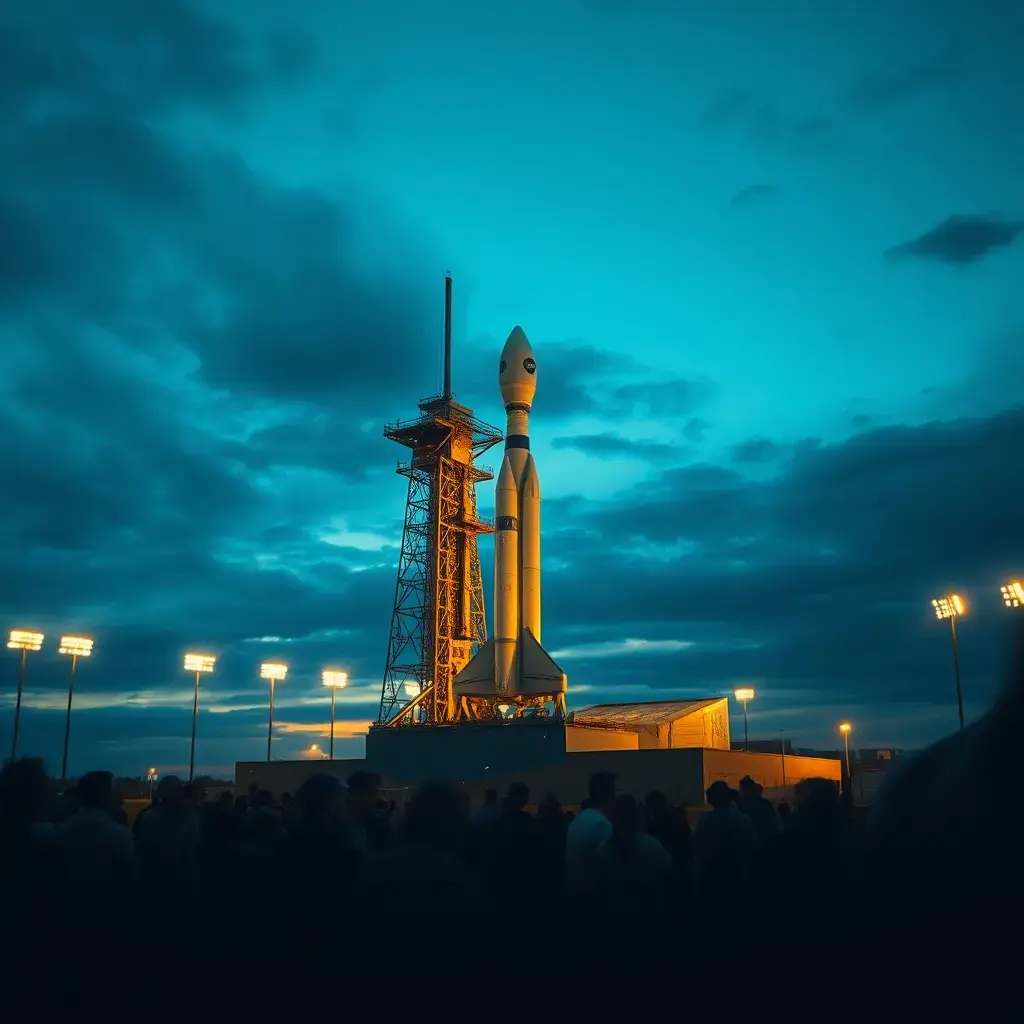
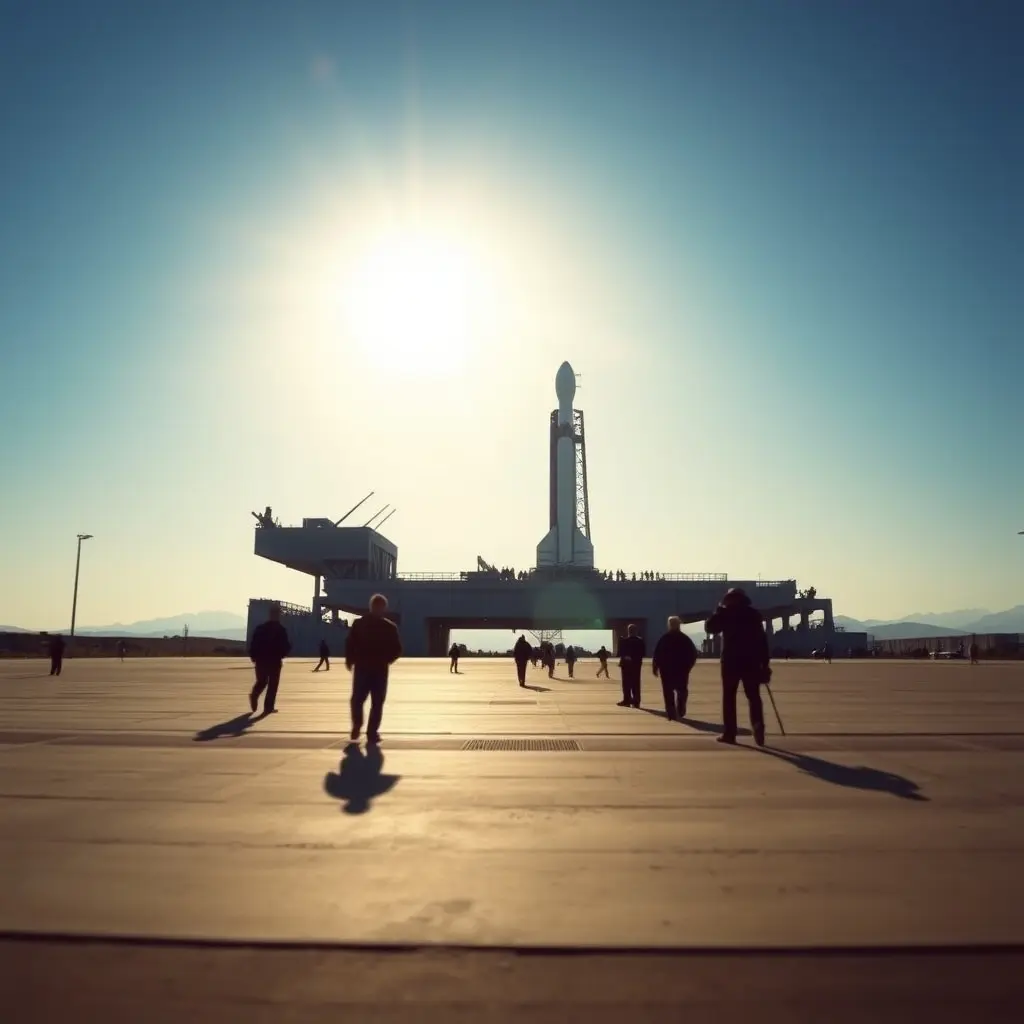
NASA has opened applications for its next class of astronauts, a move directly tied to the ambitious goals of the Artemis program. This initiative aims not just to return humans to the Moon but to establish a sustained human presence there, paving the way for future Mars missions. The selection process is highly competitive, seeking individuals who can contribute to long-duration stays and complex scientific endeavors on the lunar surface. This recruitment drive is a critical step in building the specialized team needed to achieve these historic objectives.
This is not merely about planting a flag; it's about building infrastructure, conducting research, and developing the technologies required for humans to live and work beyond Earth. The selected astronauts will be instrumental in testing new equipment, performing geological surveys, and contributing to our understanding of lunar science. Their experiences will directly inform future missions and the long-term viability of lunar habitation.
What It Takes to Be a Lunar Astronaut
Becoming a NASA astronaut, especially one destined for lunar missions, requires a rigorous combination of education, experience, and physical and psychological fitness. Candidates must possess a master's degree from an accredited institution in a STEM field, including engineering, biological science, physical science, computer science, or mathematics. Alternatively, they can have two years of work toward a Ph.D. program in a related science/tech field, or a completed Doctor of Medicine or Doctor of Osteopathic Medicine degree.
Beyond academic qualifications, extensive professional experience is crucial. This typically includes at least two years of related professional experience obtained after degree completion or at least 1,000 hours of pilot-in-command time in jet aircraft. For pilots, experience in high-performance jet aircraft is highly valued. The physical requirements are equally demanding, necessitating vision correctable to 20/20 in each eye and blood pressure not to exceed 140/90 in a sitting position. Candidates must also pass the NASA long-duration spaceflight physical.
How the Selection Process Unfolds
The astronaut selection process is a multi-stage ordeal designed to identify the most capable individuals from a vast pool of applicants. Following the initial application window, which closed on April 16, 2024, NASA will review thousands of submissions. A select group of highly qualified candidates will then be invited for interviews and undergo extensive medical and psychological evaluations at the Johnson Space Center in Houston, Texas.
This intensive evaluation period assesses not only technical skills and knowledge but also critical soft skills such as teamwork, leadership, adaptability, and resilience under pressure. Candidates are observed in various simulated mission scenarios to gauge their performance in high-stakes environments. Ultimately, a small number will be chosen to join the astronaut corps, with specific assignments to lunar missions determined later based on program needs and individual capabilities.
What Happens Next for Lunar Exploration?
The newly selected astronaut candidates will undergo approximately two years of basic training. This training covers a wide range of subjects, including spacecraft systems, spacewalking techniques, robotics, Russian language (for potential collaboration with the International Space Station), and wilderness survival. Upon successful completion of this initial training, they will become eligible for flight assignments.
For the Artemis program specifically, these astronauts will eventually train for and undertake missions to the Moon. This includes participating in lunar landings, conducting surface operations, and contributing to the construction and operation of the Lunar Gateway, an orbiting outpost around the Moon. The success of these missions hinges on continued funding, technological development, and international cooperation, all of which are actively being pursued by NASA and its partners. Future outcomes depend on overcoming engineering challenges, ensuring astronaut safety, and maintaining political and public support for sustained lunar exploration.
Share this article
Send the story to readers on social or messengers.
Comments
Loading comments…

New Times Reporter
Editorial coverage from New Times Reporter.