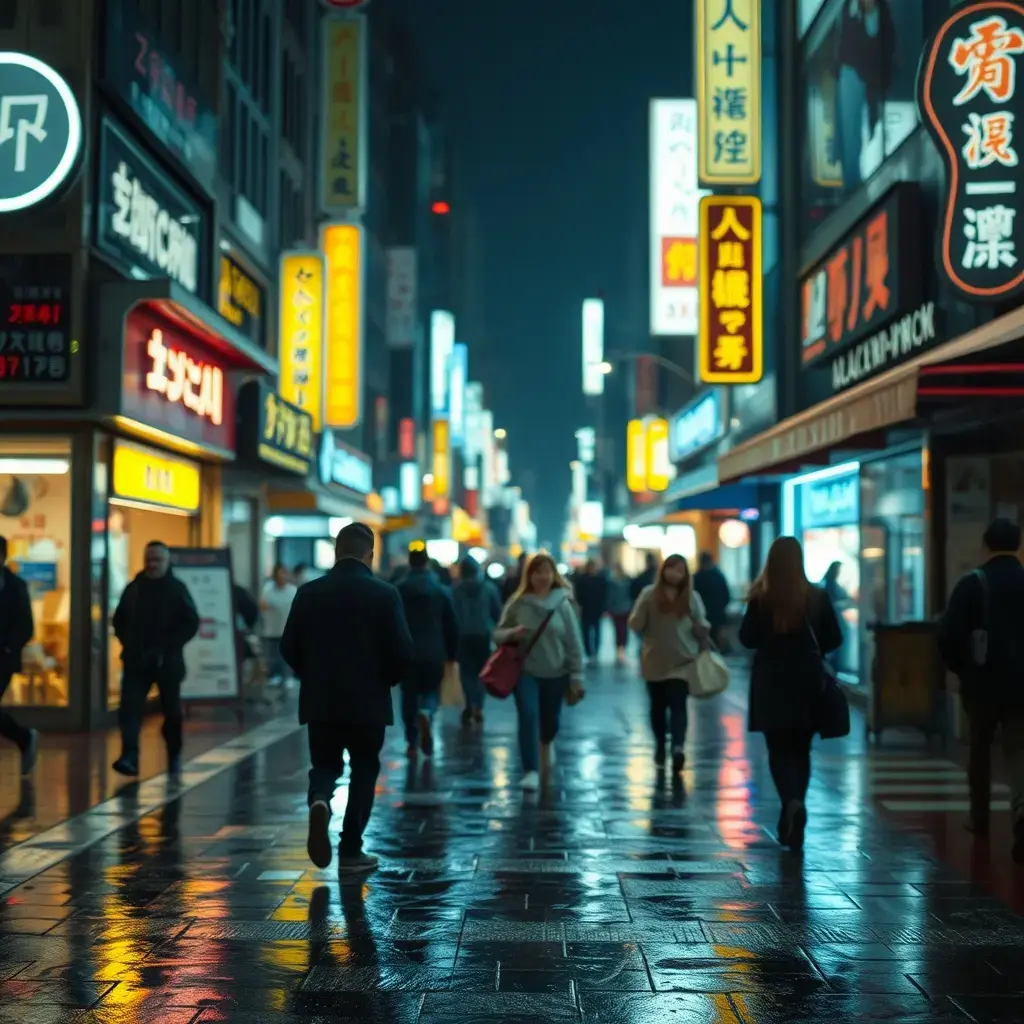
How does the iPhone 18 Pro camera improve with small gains?

The Background: Incremental Innovation in Smartphone Photography
The iPhone 18 Pro's camera system, while not introducing a revolutionary new feature, continues Apple's strategy of refining existing technology to achieve superior results. This approach contrasts with competitors who may pursue more radical sensor or lens designs. For years, Apple has focused on computational photography, leveraging software and processing power to enhance image quality. This includes improvements in areas like low-light performance, dynamic range, and color accuracy, often achieved through iterative updates to image signal processors and machine learning algorithms.
The trend towards 'small gains' in smartphone cameras is driven by the physical limitations of fitting advanced optics into a slim device. Manufacturers must balance sensor size, aperture, and lens complexity. Apple's philosophy appears to be that consistent, subtle improvements across multiple aspects of the camera pipeline can yield a more significant overall user experience than a single, headline-grabbing change that might compromise other aspects of the device. This focus on refinement allows Apple to maintain a high standard of image quality that appeals to a broad user base, from casual photographers to professionals.
The Mechanism: Subtle Enhancements in Optics and Processing
The iPhone 18 Pro's camera improvements are primarily rooted in advancements to its image signal processor (ISP) and sensor technology, coupled with refined computational photography algorithms. While specific details often emerge post-launch, these gains typically manifest in several key areas. The ISP, the chip responsible for processing data from the camera sensor, has been upgraded to handle more complex calculations faster, leading to improved noise reduction, particularly in low-light conditions. This allows for cleaner images with more detail preserved.
Furthermore, the sensor itself may feature a slightly larger pixel pitch or improved light-gathering capabilities, even if the megapixel count remains similar. This directly contributes to better dynamic range, meaning the camera can capture more detail in both the brightest highlights and the darkest shadows of a scene simultaneously. Apple's software also plays a crucial role, with enhanced Deep Fusion and Photonic Engine algorithms working in tandem. These systems analyze multiple exposures at different stages of the capture process, merging the best elements to create a final image that optimizes for texture, detail, and color fidelity. For video, expect improvements in stabilization and HDR recording capabilities, ensuring smoother footage and more vibrant colors.
Who is Affected and How: Photographers and Everyday Users
For professional photographers and serious hobbyists, the iPhone 18 Pro's camera refinements translate into a more capable tool for on-the-go content creation. The enhanced low-light performance means fewer missed shots in challenging environments, and the improved dynamic range offers greater flexibility in post-processing. The subtle but consistent color accuracy ensures that captured images are true to life, reducing the need for extensive color correction. For those who rely on their iPhone for professional work, these incremental gains can mean the difference between a usable shot and one that requires reshoots or significant editing.
For the average user, these improvements will be felt most acutely in everyday scenarios. Photos taken in dimly lit restaurants, at concerts, or during sunset will appear clearer and more vibrant. The improved detail capture means that zooming in on photos will reveal more sharpness, and portraits will exhibit a more natural depth of field and better subject separation. Video recording, whether for social media or family memories, will benefit from smoother motion and richer colors, making casual recordings look more polished. While not a dramatic leap, these consistent upgrades ensure that the iPhone remains a reliable and high-quality camera for a wide range of users, simplifying the process of capturing good-looking photos and videos without requiring technical expertise.
What Happens Next: The Arms Race of Smartphone Imaging
The future of smartphone cameras, exemplified by the iPhone 18 Pro's iterative approach, will likely see continued competition focused on computational photography and sensor efficiency. Competitors will undoubtedly respond with their own advancements, potentially introducing new sensor architectures or more sophisticated AI-driven processing. We can anticipate further improvements in areas like optical zoom capabilities, perhaps through periscope lens designs becoming more mainstream, and even more advanced low-light performance. The integration of augmented reality features that leverage the camera's depth-sensing capabilities may also become more prominent.
For Apple, the challenge will be to continue finding meaningful ways to innovate within the physical constraints of a smartphone. This could involve exploring new types of lenses, developing more advanced computational models, or integrating specialized camera hardware for specific tasks like astrophotography or microscopic imaging. The success of the iPhone 18 Pro's camera strategy will depend on whether these 'small gains' are perceived by consumers as sufficient to justify upgrades and maintain market share against rivals who might opt for more dramatic, albeit potentially less practical, technological shifts. The ongoing evolution suggests that the smartphone camera will continue to be a primary battleground for device manufacturers in the coming years.
Share this article
Send the story to readers on social or messengers.
Comments
Loading comments…

New Times Reporter
Editorial coverage from New Times Reporter.