How reducing protein intake might extend human lifespan
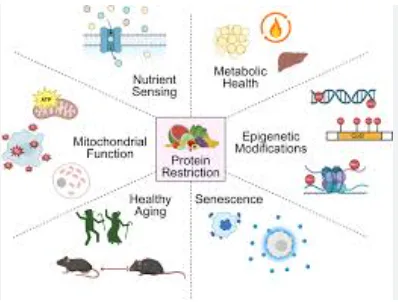
Restricting protein intake, particularly certain amino acids like valine, may offer significant health benefits and potentially extend lifespan, according to a major scientific review. This dietary approach has shown promise in animal studies, suggesting a potential pathway to healthier aging for humans.
The research points to the complex relationship between protein consumption and cellular aging processes. While protein is essential for growth and repair, excessive intake, especially of specific amino acids, appears to trigger cellular pathways that accelerate aging. For instance, studies on mice have indicated that lifelong restriction of valine, an essential amino acid, leads to sex-specific improvements in health and lifespan.
This suggests that for many individuals, reducing overall protein consumption, or specifically targeting certain amino acids, could be a key strategy for promoting longevity and improving healthspan, the period of life spent in good health.
The Background: Protein, Aging, and Cellular Pathways
For decades, scientists have observed that calorie restriction can extend lifespan in various organisms. More recently, research has focused on specific nutrients that might mimic or contribute to these effects. Protein, a fundamental building block of the body, plays a critical role in muscle synthesis, enzyme production, and immune function. However, its metabolism also generates byproducts and influences cellular signaling pathways that are implicated in aging.
Key among these are pathways like the mechanistic target of rapamycin (mTOR) and insulin/IGF-1 signaling. These pathways are sensitive to nutrient availability, particularly amino acids. When nutrients are abundant, especially amino acids like valine, leucine, and isoleucine, these pathways are activated. While activation is crucial for growth and development, chronic overactivation is linked to accelerated aging, increased risk of age-related diseases such as cancer and neurodegeneration, and reduced cellular repair mechanisms.
Conversely, nutrient-sensing pathways are downregulated during periods of nutrient scarcity. This downregulation is associated with enhanced cellular repair processes, such as autophagy (the cell's way of cleaning out damaged components), and improved stress resistance, both of which are considered hallmarks of longevity.
The review synthesizes findings from numerous studies, including those that have specifically manipulated amino acid levels in animal models. The consistent observation across these studies is that reducing the availability of certain amino acids, rather than just total calories, can lead to beneficial outcomes related to aging.
The Mechanism: How Protein Restriction Works
Reducing protein intake, particularly specific amino acids like valine, appears to work by modulating cellular signaling pathways that are central to aging. The primary target is the mTOR pathway, a complex protein kinase that acts as a central regulator of cell growth, metabolism, and survival. When amino acids, especially branched-chain amino acids (BCAAs) like valine, leucine, and isoleucine, are abundant, they activate mTOR.
Activated mTOR promotes protein synthesis and cell growth but also suppresses cellular maintenance processes like autophagy. Over time, chronic mTOR activation can lead to cellular dysfunction, inflammation, and an accumulation of damaged molecules, all contributing to the aging process and age-related diseases.
By reducing protein intake, especially BCAAs, the activation of mTOR is diminished. This leads to a decrease in protein synthesis and cell growth, but crucially, it enhances cellular repair and maintenance mechanisms. Autophagy is upregulated, clearing out damaged proteins and organelles. Stress resistance pathways are also improved, making cells more resilient to damage.
Another key pathway influenced by protein intake is the insulin/IGF-1 signaling pathway. Similar to mTOR, this pathway is activated by nutrient availability and plays a role in growth and metabolism. Its chronic overactivation is linked to accelerated aging. Protein restriction can dampen this pathway, contributing to longevity.
Furthermore, the metabolism of certain amino acids produces byproducts that can be toxic or promote oxidative stress. Reducing intake of these amino acids can therefore lower the burden of metabolic waste and reduce cellular damage.
The specific benefits observed with valine restriction in mice suggest that targeting individual amino acids can have precise effects. Valine is an essential amino acid, meaning the body cannot produce it and must obtain it from the diet. Its role in protein synthesis and energy metabolism makes it a key player in the nutrient-sensing pathways.
Who is Affected and How: Potential Human Impacts
The findings suggest that a broad range of adults could benefit from a moderate reduction in protein intake, particularly those who consume high-protein diets. This could translate into improved healthspan, meaning more years lived in good health, and potentially a longer lifespan.
For individuals who are already consuming adequate or excessive amounts of protein, a reduction could lead to:
- Reduced risk of age-related diseases: By dampening mTOR and insulin/IGF-1 signaling, protein restriction may lower the risk of conditions such as cancer, cardiovascular disease, neurodegenerative disorders like Alzheimer's and Parkinson's, and type 2 diabetes.
- Improved metabolic health: Lower protein intake can lead to better insulin sensitivity and glucose regulation, crucial for preventing metabolic syndrome.
- Enhanced cellular repair: Increased autophagy and stress resistance can help maintain cellular function and resilience as people age.
- Potential for increased lifespan: While direct evidence in humans is still limited, animal studies consistently show lifespan extension with protein restriction. This suggests a similar possibility for humans, though the magnitude and specific mechanisms may differ.
However, it is crucial to note that protein is essential, and drastic or indiscriminate restriction can be harmful. Individuals who are very active, pregnant or breastfeeding, growing children, or those with specific medical conditions requiring higher protein intake should not reduce their protein consumption without medical guidance. The key appears to be moderation and targeting specific amino acids, rather than a blanket reduction that could lead to malnutrition or muscle loss.
For most healthy adults, the recommendation would likely involve a shift towards diets rich in plant-based proteins, which often contain lower levels of certain amino acids and are associated with other health benefits, rather than a severe cutback that could compromise nutrient intake.
What Happens Next: Research and Dietary Shifts
The next steps involve translating these findings from animal models to human clinical trials. Researchers will need to determine optimal protein intake levels for different age groups and health statuses, and identify the specific amino acids that have the most significant impact on human aging pathways.
Potential outcomes include:
- Human clinical trials: Large-scale, long-term studies are needed to confirm the benefits of protein restriction in humans, monitor for any adverse effects, and establish precise dietary recommendations. These trials will likely focus on specific populations, such as middle-aged adults or individuals at high risk for age-related diseases.
- Development of targeted dietary guidelines: If confirmed, guidelines may evolve to recommend lower overall protein intake for the general population, with specific advice on limiting certain amino acids. This could involve focusing on whole foods and potentially developing supplements or fortified foods that offer the benefits of protein restriction without the risks of deficiency.
- Personalized nutrition: Advances in genetics and metabolism may allow for personalized dietary recommendations based on an individual's genetic predispositions and metabolic profile, determining their specific protein needs and optimal intake for longevity.
- Increased interest in plant-based diets: Diets rich in fruits, vegetables, and legumes, which are naturally lower in protein and specific amino acids compared to many Western diets high in red meat and processed foods, may gain further traction as a longevity strategy.
What would have to be true for each outcome:
- For successful human trials: The effects observed in animals must translate to humans, and the identified dietary changes must be safe and sustainable long-term. Ethical considerations regarding dietary manipulation and potential risks will be paramount.
- For new dietary guidelines: Robust scientific evidence from human trials demonstrating clear health and longevity benefits, coupled with a low risk of adverse effects, will be necessary for public health organizations to update recommendations.
- For personalized nutrition: Significant breakthroughs in understanding the genetic and metabolic underpinnings of aging and nutrient response are required, along with the development of accessible and reliable diagnostic tools.
- For increased plant-based diet adoption: Continued public education on the benefits of plant-rich diets, coupled with greater availability and affordability of plant-based food options, will be essential.
Share this article
Send the story to readers on social or messengers.
Comments
Loading comments…

New Times Reporter
Editorial coverage from New Times Reporter.