How social media platforms handle self-harm content
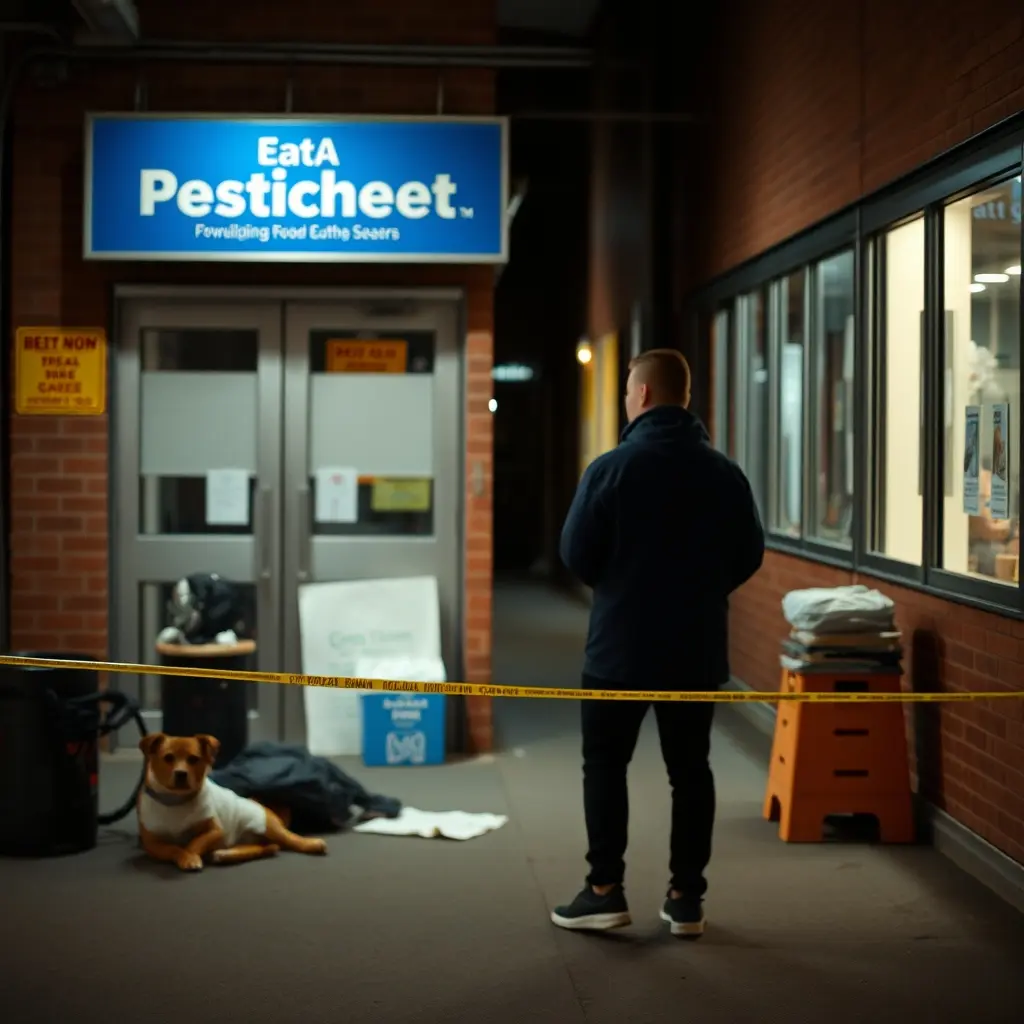
The hospitalization of influencer Perez Hilton in August 2026, following a livestream that appeared to show him harming himself, has once again highlighted the complex challenges social media platforms face in moderating content related to self-harm and suicide.
While Hilton's children were not present at the time of the incident, the 911 call and subsequent response underscore the urgency and difficulty in balancing user safety with freedom of expression online. The event has prompted renewed scrutiny of how platforms like YouTube, where the livestream reportedly occurred, detect, flag, and remove such distressing content, and what support mechanisms are in place for users in crisis.
The Mechanism: Content Moderation in Crisis
Social media platforms employ a multi-layered approach to content moderation, combining automated systems with human review. Algorithms are trained to identify keywords, patterns, and visual cues associated with self-harm and suicide. When such content is detected, it can trigger automated actions, such as removing the video, restricting its visibility, or flagging it for human moderators.
However, these systems are not infallible. Nuance, context, and intent can be difficult for AI to interpret, leading to both false positives and false negatives. Human moderators then review flagged content, making decisions based on platform policies. For live content, the speed of detection and response is critical. Platforms often have dedicated teams for live moderation, but the sheer volume of content and the real-time nature of streams present significant hurdles.
In cases like Hilton's, where the content is live and potentially depicts an immediate crisis, the response time can be a matter of minutes. This involves not only removing the content but also potentially alerting emergency services if there is a credible threat to life. The effectiveness of these responses often depends on the platform's internal protocols, the clarity of their policies, and the resources allocated to moderation.
Who is Affected and How
The primary individuals affected are the users who create and view such content. For those experiencing mental health crises, seeing or engaging with self-harm content can be triggering and exacerbate their distress. The normalization or sensationalization of self-harm can also influence vulnerable individuals.
For content creators, the risk of their content being removed, their accounts suspended, or facing legal repercussions is a constant concern. The public nature of livestreams means that deeply personal struggles can be broadcast to a wide audience, leading to potential stigma, exploitation, or unwanted attention, as seen in the public response to Hilton's situation.
Beyond individual users, the platforms themselves face reputational damage and increased regulatory pressure. The public and policymakers often look to platforms to take responsibility for the content shared on their sites, especially when it involves harm. This can lead to stricter enforcement of community guidelines, more aggressive content removal, and potentially changes in platform design to de-emphasize live, unmoderated content.
What Happens Next
Following incidents like the one involving Perez Hilton, there is typically a period of intense scrutiny and calls for action. Platforms may announce reviews of their moderation policies, invest in new AI tools, or increase the number of human moderators. There could also be renewed pressure from advocacy groups and lawmakers to implement stricter regulations on online content, particularly concerning mental health and safety.
One potential outcome is the development of more sophisticated AI that can better detect the nuances of self-harm content, distinguishing between educational discussions, artistic expression, and genuine calls for help or self-harm. Another is enhanced collaboration between platforms and mental health organizations to provide immediate resources to users who may be in distress.
Conversely, platforms might err on the side of caution, leading to more aggressive content removal, which could stifle legitimate discussions or artistic expression. The debate over censorship versus safety will likely continue, with different stakeholders advocating for varying approaches. The long-term impact will depend on the platforms' willingness to adapt, the effectiveness of new technologies, and the evolving regulatory landscape.
Precedents and Context
This is not the first time a social media livestream has led to a crisis response. Numerous incidents involving public figures and ordinary users have raised similar concerns since the advent of live streaming. In the past, platforms have faced criticism for their slow response to content depicting violence, hate speech, and self-harm.
For example, in the late 2010s and early 2020s, several high-profile cases involved the live streaming of suicides and violent acts, prompting widespread public outcry and demands for better moderation. These events have led to incremental changes in platform policies and moderation practices, but the challenges remain significant due to the scale and real-time nature of online content.
The Perez Hilton incident, occurring in August 2026, fits within this ongoing pattern. It serves as a reminder that despite advancements in technology and policy, the fundamental difficulty of moderating harmful content in a dynamic online environment persists. Each such event provides data for platforms to refine their systems but also highlights the persistent need for vigilance and continuous improvement in protecting users.
Share this article
Send the story to readers on social or messengers.
Comments
Loading comments…

New Times Reporter
Editorial coverage from New Times Reporter.