Is White House press access a privilege or a right?
The Stakes of Access
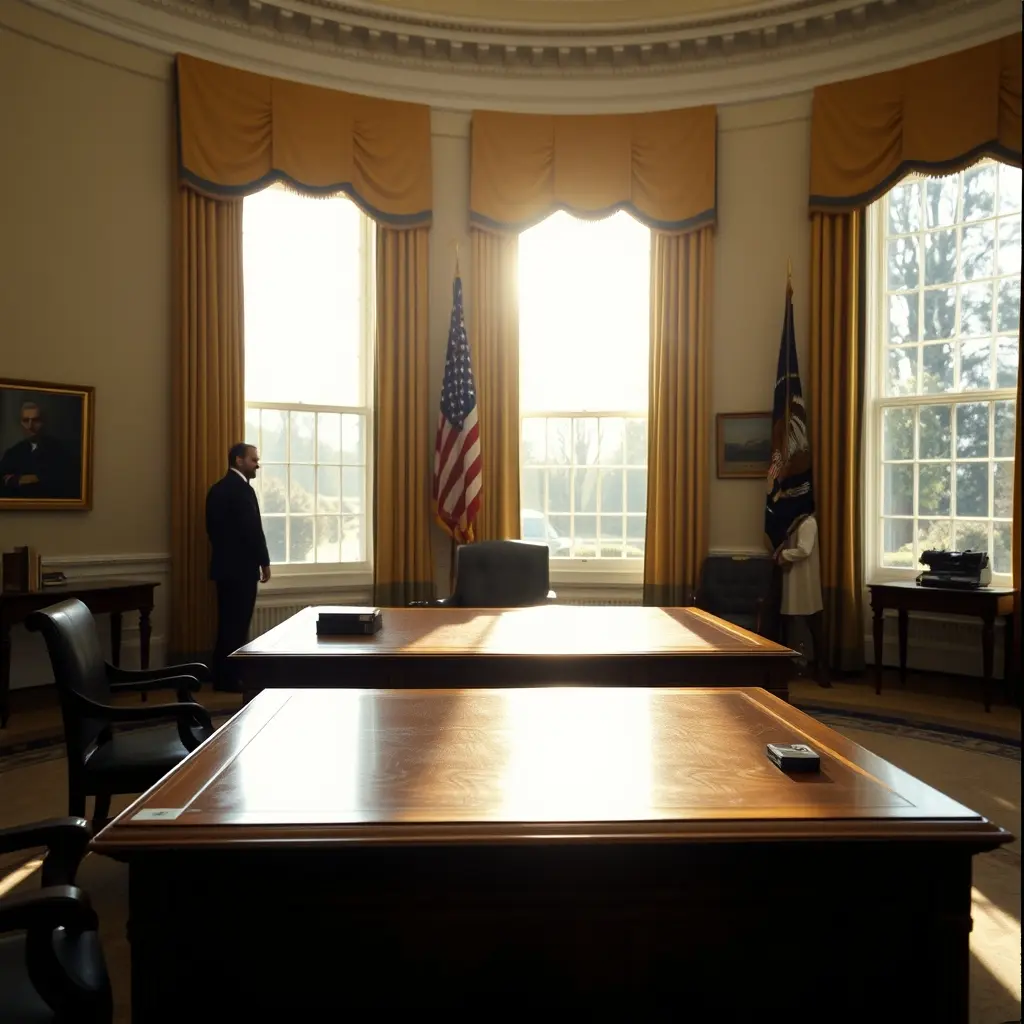
White House press access, the ability for journalists to enter the executive residence and travel with the president, is being framed by the Trump administration as a privilege, not an inherent right. This distinction is central to the administration's defense of its decisions to revoke credentials for certain news organizations, such as CNN, MS NOW, and Politico. The administration argues that the president has the discretion to grant or deny access based on the perceived accuracy and nature of reporting, citing national security concerns. However, legal challenges and the White House's own explanations have cast doubt on these justifications, suggesting that political and reputational factors may be at play.
The debate over press access has significant implications for the public's right to information and the role of the media in holding the government accountable. When access is restricted, it can limit the public's ability to receive timely and comprehensive reporting on the activities of the executive branch. The legal battles surrounding these access decisions highlight the ongoing tension between executive authority and the freedom of the press, a cornerstone of democratic societies.
How White House Press Access Works
Access to the White House for journalists is typically managed through a system of credentials, often referred to as "hard passes." These passes are granted by the White House Correspondents Association and the White House itself, requiring journalists to meet certain criteria, including demonstrating a legitimate need for access to cover the presidency. This access allows reporters to attend press briefings, cover presidential events, and, in some cases, travel with the president on Air Force One or other official trips.
The process for granting and revoking these credentials is not always transparent. While the White House maintains that it has the authority to deny access based on national security or the nature of reporting, critics argue that such decisions can be politically motivated. In instances where credentials are revoked, journalists and their organizations may pursue legal avenues, such as seeking temporary restraining orders, to regain access. The courts, in turn, must weigh the administration's stated reasons against the First Amendment implications and the public's interest in a free press.
Who is Affected and How
The most immediate impact of restricted White House press access falls on the journalists and news organizations whose credentials are revoked. These individuals are barred from reporting from within the White House, attending key events, and traveling with the president, significantly hindering their ability to gather information and report on the administration's activities. This can lead to a less informed public, as reporting from the ground is often more immediate and detailed than remote coverage.
Beyond the targeted organizations, the broader public is affected by a potential chilling effect on reporting. When news outlets face the threat of losing access, they may self-censor or alter their reporting to avoid confrontation with the administration. This can result in a less critical and less comprehensive media landscape. Furthermore, the legal battles and public discourse surrounding these access decisions can erode public trust in both the media and government institutions.
What Happens Next
The ongoing litigation surrounding White House press access will likely continue to shape the future of journalistic engagement with the executive branch. Should courts consistently rule in favor of the administration's broad discretion, it could set a precedent for future administrations to more readily restrict access based on their own criteria. Conversely, if courts uphold the importance of press access as a vital component of public information, it could reinforce protections for journalists.
Future outcomes depend on several factors. The specific rulings in current and future legal cases will be crucial. The political climate and the relationship between the press and the presidency will also play a significant role. If administrations perceive a greater threat from critical reporting, they may be more inclined to restrict access. Conversely, a more cooperative environment could lead to more open access. The public's demand for diverse and unfettered news coverage will also influence how these issues are addressed by both the government and the media.
Share this article
Send the story to readers on social or messengers.
Comments
Loading comments…

New Times Reporter
Editorial coverage from New Times Reporter.