'Most dramatic meteor shower of the summer' peaks during solar eclipse: What to expect
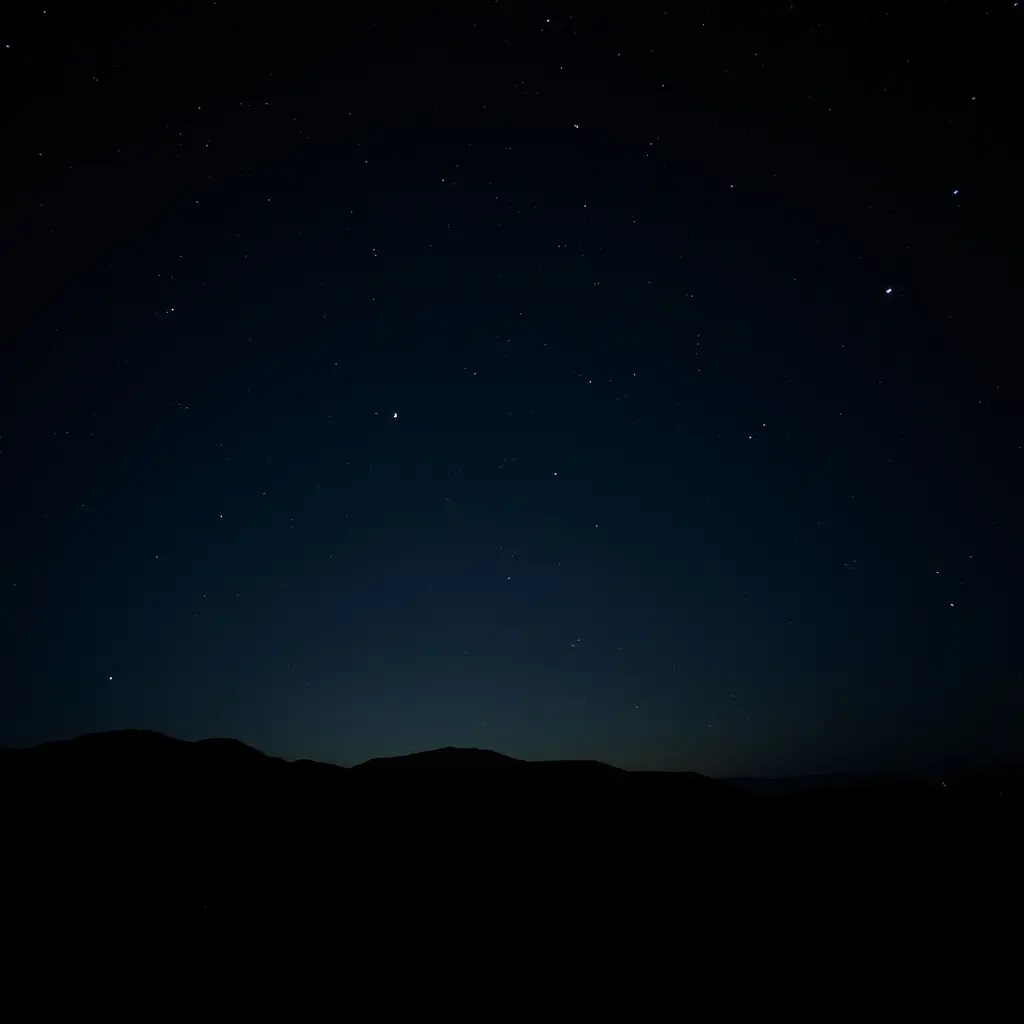
The Celestial Spectacle
The Perseid meteor shower, often described as the most dramatic of the summer, is set to reach its peak activity on the night of August 11-12, 2026. This annual event coincides with a total solar eclipse, offering skywatchers a rare double feature. The Perseids are known for their bright, fast meteors, and this year's peak is anticipated to produce a high rate of visible streaks across the night sky.
The coincidence of a meteor shower peak and a solar eclipse is unusual, amplifying the potential for a memorable astronomical event. While the eclipse will be a daytime phenomenon for many, its occurrence on the same date as the meteor shower's peak may influence viewing conditions in certain regions, particularly concerning light pollution and atmospheric conditions. Observers are advised to check local eclipse and weather forecasts for the most accurate viewing information.
How the Perseid Meteor Shower Works
The Perseid meteor shower occurs annually as the Earth passes through the debris trail left behind by Comet 109P/Swift-Tuttle. This comet, which has an orbital period of about 133 years, last passed through the inner solar system in 1992. As Earth travels through the comet's dusty wake, small particles and ice fragments, some no larger than a grain of sand, enter our atmosphere at extremely high speeds.
These particles burn up upon contact with the Earth's atmosphere, creating the streaks of light we see as meteors, or 'shooting stars.' Because the debris is spread along the comet's orbit, the Earth encounters this stream of particles around the same time each year, typically from late July to late August. The shower's radiant point – the area in the sky from which the meteors appear to originate – is located in the constellation Perseus, hence the name.
At its peak, the Perseids can produce between 60 to 100 meteors per hour under ideal dark-sky conditions, making it one of the most prolific meteor showers of the year. The meteors are known for their speed, often traveling at about 133,000 miles per hour (214,000 km/h), and for leaving persistent trails, which are glowing ionized gas trails that can linger for a few seconds.
Who is Affected and How
Skywatchers around the globe will have the opportunity to witness the Perseid meteor shower, though visibility will vary based on location, light pollution, and weather. Those in areas with clear, dark skies, away from city lights, will experience the most spectacular display. The peak viewing window is typically overnight, from dusk until dawn, with the hours before sunrise often offering the highest rates.
The total solar eclipse occurring on the same day will primarily affect observers within a specific path of totality across North America. During the eclipse, the moon will block the sun, casting a shadow on Earth. For those in the path of totality, the daytime sky will darken significantly, allowing the Perseid meteors, which are usually only visible in full darkness, to potentially be seen even during daylight hours. This could provide a unique, albeit brief, opportunity to observe meteors under unusual circumstances.
For individuals planning to view the eclipse and the meteor shower, preparations may include traveling to optimal viewing locations, bringing telescopes or binoculars (though not strictly necessary for meteor showers), and understanding the safe viewing practices for solar eclipses, such as using certified solar viewing glasses. The combination of events might lead to increased crowds at popular viewing spots.
What Happens Next
Following the peak on August 11-12, 2026, the Perseid meteor shower will gradually become less active, though some meteors may still be visible for several more weeks. The next significant meteor shower will be the Draconids in early October, followed by the Leonids in mid-November.
The next total solar eclipse visible from North America is not scheduled until August 23, 2044. The rarity of this year's combined event highlights the importance of astronomical alignments. For those who miss the peak, the Perseids remain a reliable shower to observe annually, with predictions for future peaks generally remaining consistent, barring any significant changes in the comet's debris trail.
Future viewing of the Perseids will depend on the Earth's continued passage through the Swift-Tuttle debris stream. The density and distribution of the particles within the stream can fluctuate over time, potentially leading to variations in shower intensity from year to year. However, the general pattern is expected to continue for centuries. The 2026 event serves as a benchmark for future Perseid peaks, especially when occurring alongside other significant celestial events.
Share this article
Send the story to readers on social or messengers.
Comments
Loading comments…

New Times Reporter
Editorial coverage from New Times Reporter.