'Purple Membrane' of Bacteria Inspires Hybrid Material to Make Disinfectant from Sunlight
The Background: A Greener Way to Make a Common Chemical
Hydrogen peroxide (H₂O₂) is a widely used chemical, essential for everything from household cleaning and disinfection to industrial bleaching and wastewater treatment. Traditionally, its production relies on energy-intensive processes like the anthraquinone process, which involves multiple chemical steps and can generate significant waste. The search for more sustainable and efficient methods has led researchers to explore biomimicry – learning from nature's own efficient chemical factories. This new hybrid material draws inspiration from the "purple membrane" found in halophilic bacteria, which are known for their ability to harness light energy for chemical reactions. By understanding and replicating these natural mechanisms, scientists aim to create a cleaner, more direct pathway to hydrogen peroxide production.
The Mechanism: Sunlight, Water, and a Tiny Structure
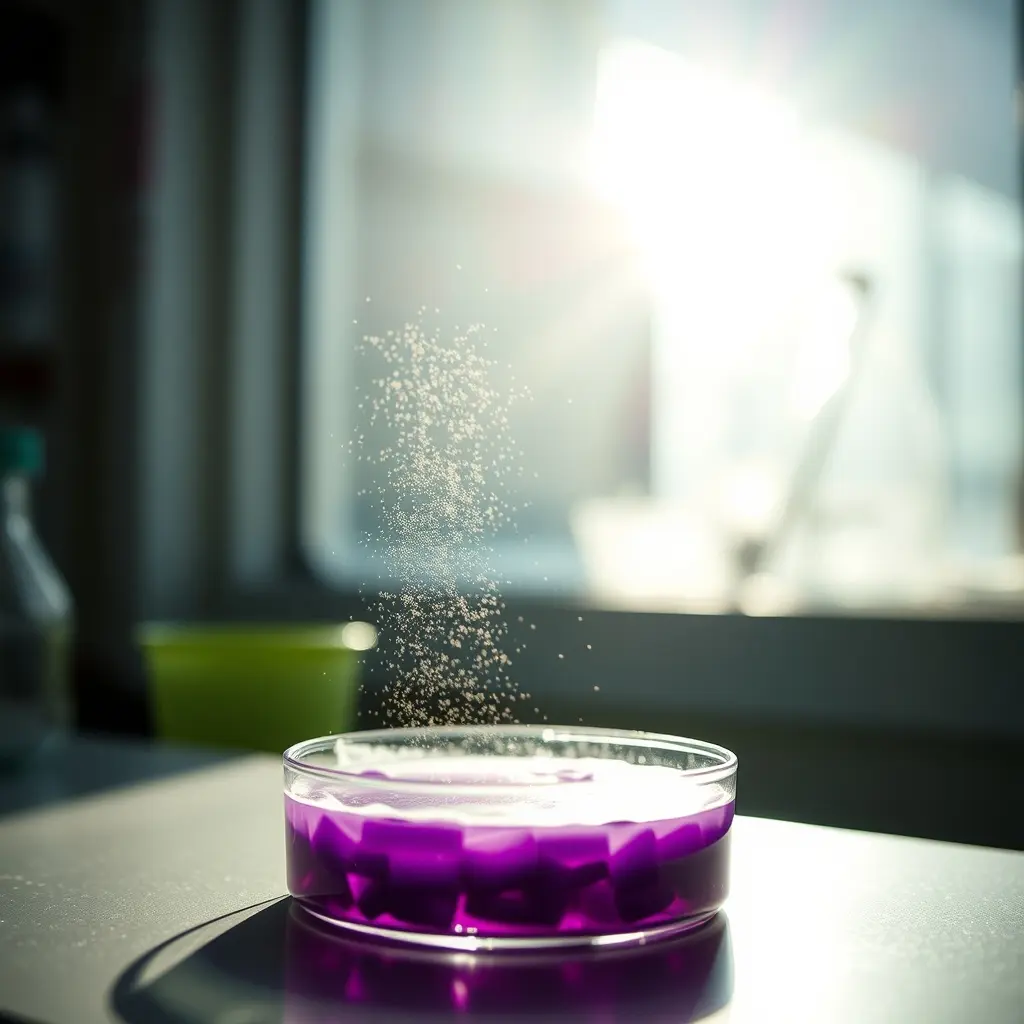
The innovative material is a hybrid structure composed of nanosheets, which are incredibly thin sheets of material, approximately 500 times thinner than a human hair. These nanosheets are designed to mimic the light-harvesting and catalytic functions of the purple membrane found in certain bacteria. The process begins with exposing these hybrid nanosheets to sunlight and water. The nanosheets contain specialized components that absorb solar energy. This absorbed energy is then used to drive a chemical reaction where water molecules are split and oxygen atoms are rearranged to form hydrogen peroxide. The precise structure of the nanosheets, combining semiconductor properties with biological inspiration, is key to efficiently converting light energy into chemical energy for H₂O₂ synthesis. This method offers a potential route to produce hydrogen peroxide directly from readily available resources without the need for harsh chemicals or high temperatures.
Who is Affected and How: From Industry to Households
This development could significantly impact industries that rely heavily on hydrogen peroxide. For sectors like healthcare and sanitation, a more accessible and potentially cheaper source of disinfectant could improve hygiene practices and reduce the spread of infections. In the paper and textile industries, where H₂O₂ is used for bleaching, a greener production method could lead to more sustainable manufacturing processes and reduced environmental footprints. For consumers, this could eventually translate to more eco-friendly cleaning products. Furthermore, the ability to produce hydrogen peroxide using only sunlight and water opens up possibilities for decentralized production, particularly in remote areas or during emergencies where access to traditional chemical supply chains might be limited. The environmental benefits are also substantial, promising a reduction in the energy consumption and chemical waste associated with current H₂O₂ manufacturing.
What Happens Next: Scaling Up and Real-World Application
The immediate next steps for this technology involve rigorous testing and scaling up production. Researchers will need to demonstrate that the hybrid nanosheets can maintain their efficiency and stability over extended periods of use and under various environmental conditions. Further research will focus on optimizing the material's composition and structure to maximize hydrogen peroxide yield and minimize energy input. The economic viability of this new production method will also be a critical factor; it must be competitive with existing industrial processes. If successful, pilot projects could be initiated to test the technology in real-world industrial settings. The ultimate goal is to transition this laboratory breakthrough into a commercially viable and widely adopted method for producing hydrogen peroxide, potentially revolutionizing how this essential chemical is made and used globally.
Share this article
Send the story to readers on social or messengers.
Comments
Loading comments…

New Times Reporter
Editorial coverage from New Times Reporter.