'Sensible gun reform': Australia launches buyback after Bondi terror attack
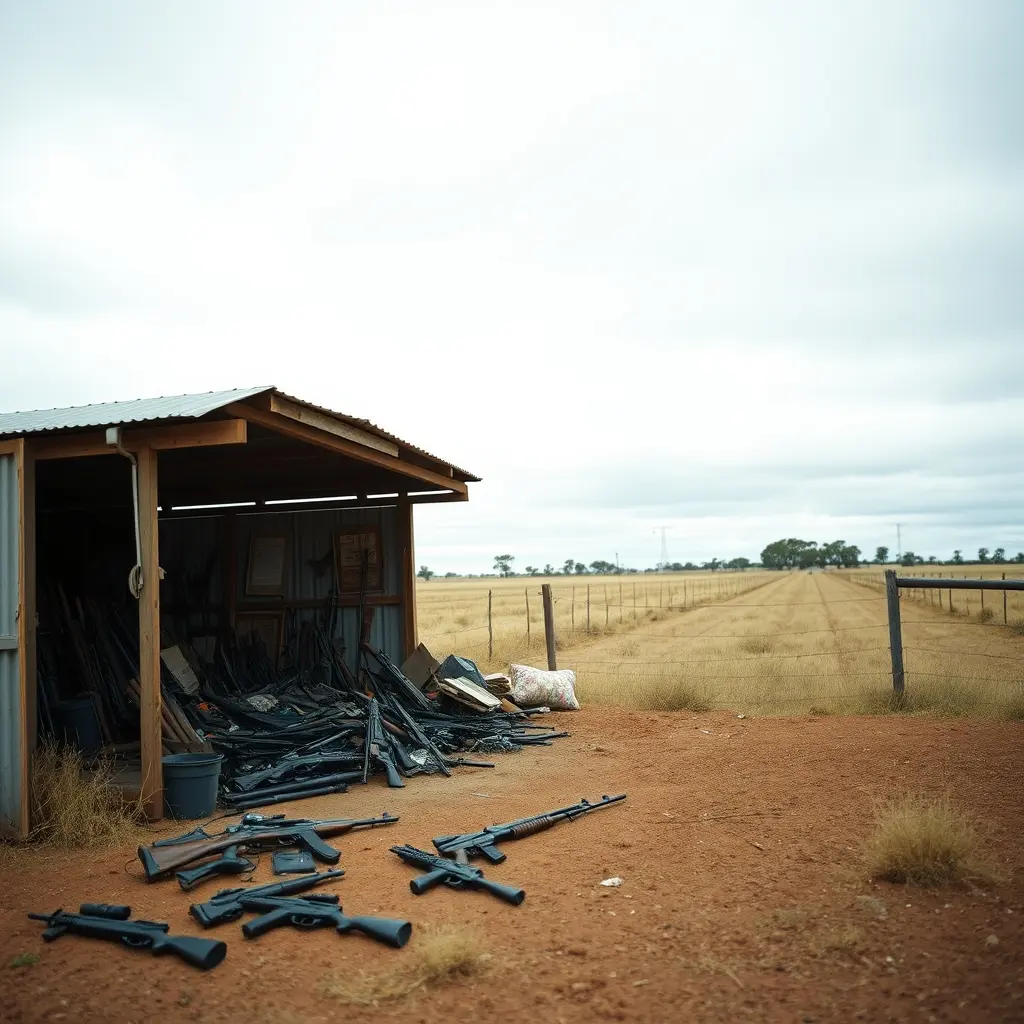
Australia is initiating a nationwide gun buyback program in November, beginning with New South Wales, as a direct response to the December 14, 2025, terror attack at a Bondi Beach Hanukkah celebration. The program aims to remove firearms that are now restricted or prohibited under new gun control laws enacted following the attack, which killed 15 people. Prime Minister Anthony Albanese stated the buyback is a crucial step in "meaningful nationwide gun reform" to prevent future acts of violence, emphasizing that "fewer dangerous guns in our community means a safer New South Wales."
The buyback program is structured in two phases. The initial phase, starting November 2, 2026, offers fixed compensation for eligible firearms, with amounts ranging from $450 to $1,000 per gun depending on its type. A subsequent phase will allow for a valuation process for higher-value firearms, with a cap of $10,000 per weapon. This initiative is part of a broader package of legislative changes, including strengthened hate speech and extremism laws, introduced by the federal government in January 2026. New South Wales also enacted its own stricter state firearms laws in December 2025.
The Background: A Nation's Response to Mass Violence
Australia has a history of implementing strict gun control measures following mass shootings. The most significant precedent was the 1996 Port Arthur massacre, where a gunman killed 35 people in Tasmania. In the wake of that tragedy, the Australian government enacted sweeping national gun laws, including a mandatory buyback of certain semi-automatic and pump-action rifles and shotguns. This led to the removal of approximately 650,000 firearms from circulation and significantly altered the landscape of civilian gun ownership in the country. The current buyback is positioned as the largest since that pivotal moment, reflecting a national commitment to preventing similar events.
The December 14, 2025, attack at the Bondi Beach Hanukkah celebration, allegedly carried out by a father and son inspired by the Islamic State, brought renewed focus to Australia's gun laws. The perpetrators used firearms that were legally obtained, highlighting a perceived gap in the existing regulations. The incident prompted immediate calls for stronger measures, leading to the new federal and state legislation aimed at both controlling the availability of certain weapons and addressing the underlying issues of hate speech and extremism.
The Mechanism: How the Buyback Works
The gun buyback program is designed to facilitate the surrender of firearms that are now considered prohibited or restricted under the new laws. In New South Wales, for example, individual firearm ownership is generally limited to four guns, with specific exemptions for certain license holders like primary producers and sport shooters who can demonstrate a "genuine reason" for possessing more. Firearms that fall outside these new limits or have been reclassified are the primary targets of the buyback.
Owners of eligible firearms can surrender them to authorities during the buyback period. In the first phase, compensation is fixed based on the type of firearm, providing a clear incentive for compliance. For more valuable or specialized firearms, a valuation pathway will be available, ensuring that owners receive fair compensation up to a substantial cap. The stated goal is to remove these firearms from circulation and ensure they are "safely destroyed," thereby reducing the potential for their misuse in future criminal acts.
Who is Affected and How
This gun buyback program directly impacts firearm owners in New South Wales, with potential implications for other states as well. The new regulations in New South Wales affect an estimated 274,000 registered firearms, representing about 24% of the state's total registered firearms, and approximately 50,000 licensed owners. These individuals may possess firearms that are now subject to stricter ownership limits or have been reclassified as prohibited.
For affected owners, the buyback offers a legal and compensated pathway to relinquish firearms they can no longer legally possess or choose not to keep under the new restrictions. This avoids potential penalties for non-compliance. For the broader community, the initiative aims to enhance public safety by reducing the number of firearms in circulation that could be used in violent crimes. The government's commitment to "sensible gun reform" underscores a belief that fewer dangerous weapons in the community will lead to a safer society for all Australians.
What Happens Next
The immediate next step is the commencement of the gun buyback program in New South Wales on November 2, 2026. The success of this initial phase will likely influence the rollout and design of similar programs in other Australian states and territories. The federal government's strengthened hate speech and extremism laws will also be tested as they are implemented and enforced.
Several factors will determine the long-term impact of these measures. The level of participation in the buyback program is crucial; widespread surrender of firearms will be key to achieving the desired reduction in gun availability. Continued vigilance and effective enforcement of the new gun control and hate speech laws will be necessary to deter future attacks. Furthermore, ongoing public and political discourse on gun control and community safety will shape future policy decisions. The government's ability to adapt and respond to emerging threats, while balancing individual rights with collective security, will be critical in the years to come.
Share this article
Send the story to readers on social or messengers.
Comments
Loading comments…

New Times Reporter
Editorial coverage from New Times Reporter.