'Strap yourself in and feel the Gs': NASA's 'Max Power' expo aims to reignite space enthusiasm
The Need for Speed and Space
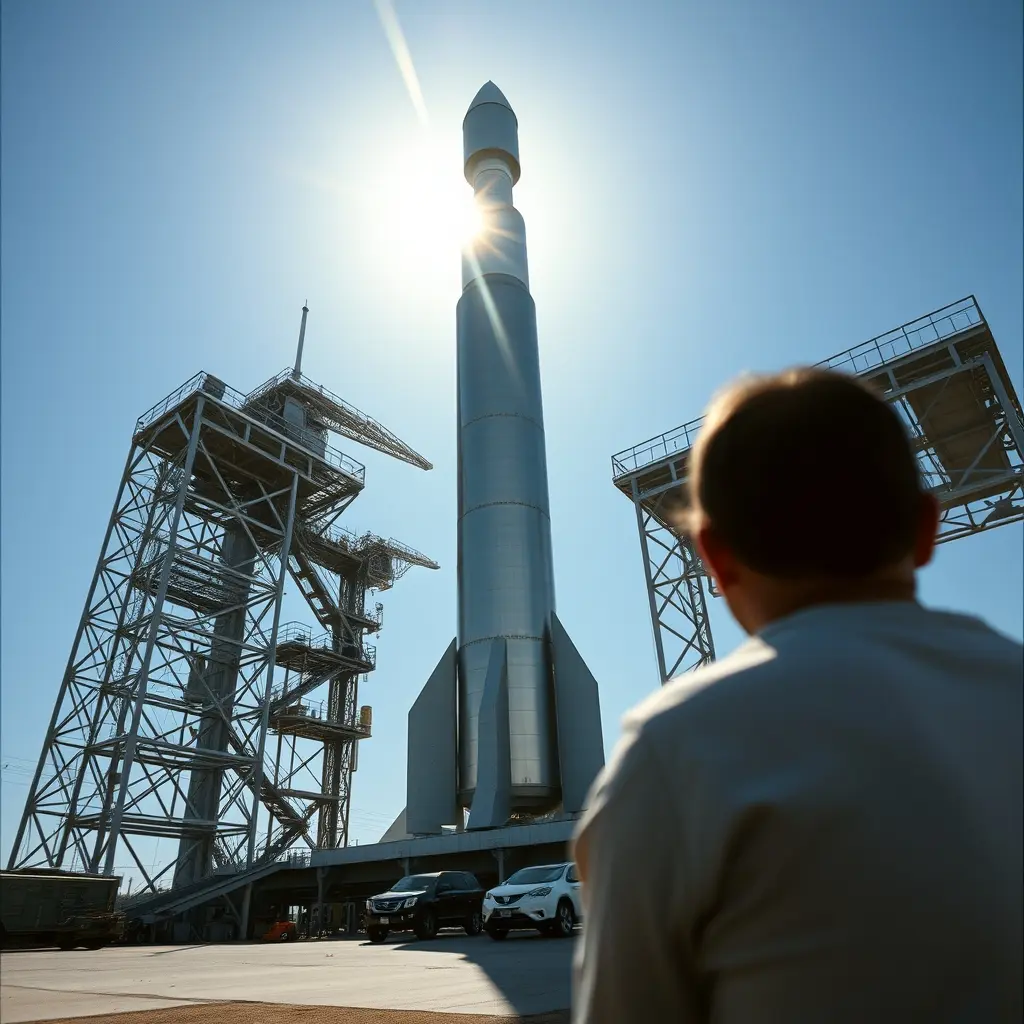
NASA's announcement of the "MAX POWER" aerospace expo, scheduled for August 2026 at Kennedy Space Center, signals a strategic effort to reconnect the public with the marvels of space exploration and aviation. The event aims to capture the imagination of a new generation, much like the Apollo era did, by showcasing cutting-edge aerospace technology and thrilling aerial demonstrations. It's a deliberate move to build excitement and support for future missions, including those related to the Artemis program, which seeks to return humans to the Moon and eventually send them to Mars.
The expo is positioned as a significant public engagement initiative, designed to inspire interest in STEM fields and highlight the advancements being made in both civilian and military aerospace sectors. By bringing together elements of historical significance, current innovation, and future aspirations, NASA hopes to create a memorable experience that translates into sustained public enthusiasm for space and aviation.
How MAX POWER Works
The MAX POWER aerospace expo is designed as a multi-faceted event combining static displays of advanced aircraft and spacecraft with dynamic aerial performances and astronaut interactions. The core of the event will feature demonstrations by the U.S. Air Force Thunderbirds, known for their precision flying and formation aerobatics, providing a high-octane visual spectacle. Complementing these aerial displays, NASA will showcase its latest technological achievements, likely including hardware and exhibits related to the Artemis program and other deep-space exploration initiatives.
Attendees can expect to see a range of aerospace assets, from historical aircraft to next-generation spacecraft. The presence of Artemis astronauts is intended to offer a personal connection to ongoing space missions, allowing the public to hear firsthand accounts and learn about the challenges and triumphs of space travel. Educational components and interactive exhibits are also expected to be a significant part of the expo, aimed at demystifying complex aerospace concepts and encouraging participation in STEM education.
Who is Affected and How
The MAX POWER expo directly targets the general public, with a particular focus on young people and families who might be inspired to pursue careers in science, technology, engineering, and mathematics. For these individuals, the event offers a tangible and exciting introduction to the possibilities within aerospace, potentially shaping educational and career choices. The presence of the Thunderbirds and advanced NASA technology aims to create a sense of awe and wonder, fostering a deeper appreciation for human ingenuity.
Beyond the immediate attendees, the expo has broader implications for the aerospace industry and NASA's long-term goals. Increased public interest and support can translate into greater political will for funding space exploration and aviation research. For the local economy around Kennedy Space Center, the event is expected to bring a significant influx of visitors, boosting tourism and related businesses. Furthermore, the expo serves as a recruitment tool for NASA and the U.S. Air Force, potentially attracting future talent to these critical sectors.
What Happens Next
Following the MAX POWER expo in August 2026, NASA and its partners will likely assess the event's success based on attendance figures, public feedback, and media coverage. The primary goal is to gauge the level of renewed public enthusiasm for aerospace and to measure its impact on STEM engagement. If successful, MAX POWER could become a recurring event, evolving with new technologies and mission milestones.
The long-term impact will depend on NASA's ability to sustain the momentum generated by the expo. Continued communication about the progress of missions like Artemis, coupled with further public engagement initiatives, will be crucial. For the outcomes to be fully realized, sustained interest from the public and policymakers is necessary to ensure continued investment in aerospace research and development. A successful MAX POWER could pave the way for future large-scale events that solidify America's leadership in space and aviation for decades to come.
Share this article
Send the story to readers on social or messengers.
Comments
Loading comments…

New Times Reporter
Editorial coverage from New Times Reporter.