Why are MacBook Airs hard to find?
The Shortage Explained
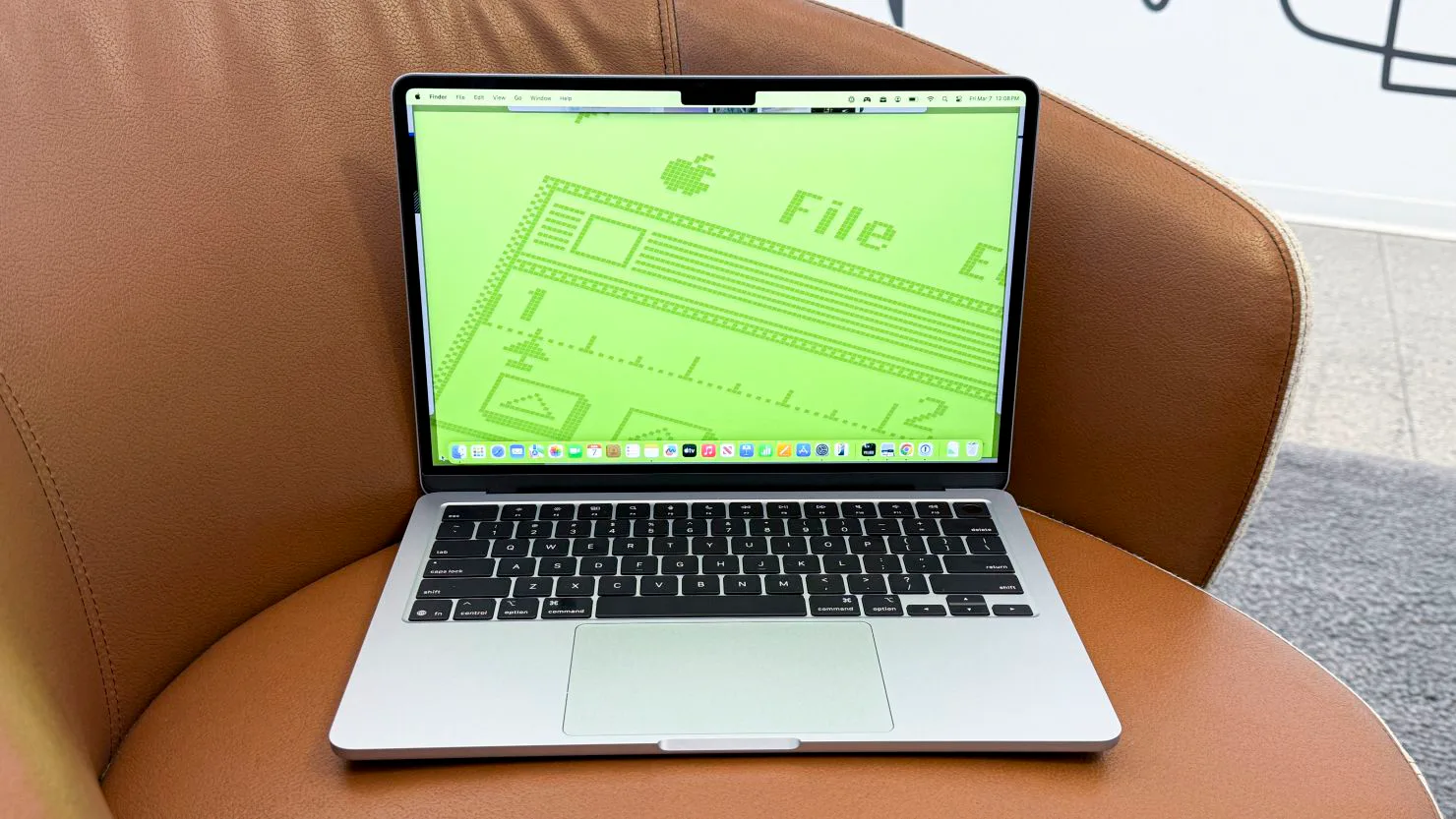
Apple's popular MacBook Air models are experiencing significant supply chain issues, making them difficult to purchase. This shortage is not a result of unexpected demand but rather a strategic decision by Apple to prioritize production of its higher-end 14-inch MacBook Pro models. The company is reportedly focusing on clearing inventory of the current 14-inch MacBook Pro to make way for an upcoming refresh, speculated to feature the M6 chip. Consequently, resources and manufacturing capacity that would typically support MacBook Air production are being diverted, leading to the scarcity of the Air.
This situation is exacerbated by broader industry-wide shortages of crucial components, particularly memory chips. These shortages affect multiple electronics manufacturers, but Apple's internal production priorities are amplifying the impact on the MacBook Air. Despite a recent price increase for some MacBook Air configurations, the availability remains severely constrained, indicating that the issue is primarily one of supply rather than fluctuating consumer demand.
How Apple Manages Production
Apple employs a complex, highly integrated supply chain to manufacture its devices. Production planning involves forecasting demand, securing components, and allocating manufacturing resources across its product lines. The company often phases out older models or reduces their production as new versions are developed or as it shifts focus to other product lines. In this instance, the decision to prioritize the 14-inch MacBook Pro appears to be a deliberate strategy to manage inventory and prepare for future product launches.
This prioritization involves allocating limited manufacturing slots at assembly partners like Foxconn and Pegatron. It also means directing the flow of essential components, such as processors, displays, and memory modules, to specific product lines. When Apple decides to concentrate on a particular model, like the 14-inch MacBook Pro, it can lead to a temporary but significant reduction in the output of other models, such as the MacBook Air. This is particularly true when component shortages are already present, as they are with memory chips.
Who is Affected and How
Consumers looking to purchase a MacBook Air are the most directly affected. They may face extended waiting times, limited configuration options, or be unable to find the model they want at authorized retailers or directly from Apple. This can be frustrating for students, professionals, and casual users who rely on the MacBook Air for their daily tasks and have come to expect its ready availability. The scarcity may force some consumers to consider alternative laptops, potentially from competitors, or to purchase a more expensive MacBook Pro model if immediate availability is critical.
Beyond consumers, the shortage could impact Apple's sales figures for the MacBook Air line in the short term. While the company may be compensating with strong sales of the 14-inch MacBook Pro, a prolonged scarcity of its best-selling laptop could affect overall market share and customer satisfaction. Small businesses or educational institutions that rely on bulk purchases of MacBook Airs might also face procurement challenges, potentially delaying projects or requiring them to seek alternative device solutions.
What Happens Next
The situation is expected to improve once Apple completes its transition for the 14-inch MacBook Pro and shifts its focus back to the MacBook Air. This typically occurs with the launch of new or updated MacBook Air models, which are rumored to be on the horizon, possibly featuring updated M-series chips. Until then, availability is likely to remain constrained. The broader industry-wide component shortages, especially for memory, could continue to pose a challenge, potentially affecting the ramp-up of new MacBook Air production.
For the MacBook Air to become readily available again, several factors need to align. Apple must successfully complete the production cycle for the current 14-inch MacBook Pro, freeing up manufacturing capacity and component allocation. Simultaneously, the supply of critical components, particularly memory chips, needs to stabilize or increase. The launch of a refreshed MacBook Air model, likely incorporating newer technologies and potentially addressing some of the current supply chain bottlenecks, would be the most definitive solution to the current shortage. Without these shifts, consumers may continue to experience difficulties in acquiring a MacBook Air for several more months.
Share this article
Send the story to readers on social or messengers.
Comments
Loading comments…

Clara Whitmore
Clara Whitmore covers technology and science, exploring how innovation reshapes economies and daily life.