Why are Washington wildfires so destructive?
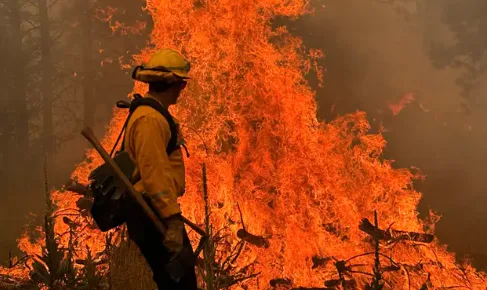
Wildfires in Washington state have a history of causing significant damage, forcing thousands to evacuate their homes. The Fairview Fire in Mead, which began on August 1, 2026, is the latest example, prompting Level 3 "Go Now!" evacuation orders. This event follows a pattern seen in previous years, where large-scale fires have destroyed hundreds of structures and displaced communities.
Understanding the factors contributing to this destruction is crucial for predicting future impacts and improving response strategies. These fires are not isolated incidents but are often fueled by a combination of environmental conditions, land management practices, and the increasing proximity of human development to wildland areas.
The Background: A Tinderbox State
Washington state's geography and climate create a recurring vulnerability to wildfires. The eastern part of the state, characterized by dry forests and grasslands, is particularly susceptible during hot, dry summers. Factors such as drought conditions, high temperatures, and strong winds create an environment where fires can ignite easily and spread rapidly.
Decades of fire suppression policies have also played a role. By preventing natural, low-intensity fires from burning, these policies have led to an accumulation of dense vegetation and dead plant material. This buildup acts as fuel, making subsequent fires more intense and difficult to control. Furthermore, climate change is exacerbating these conditions, leading to longer and more severe fire seasons across the Pacific Northwest.
The Mechanism: How Fires Explode
When a wildfire ignites in Washington, several factors contribute to its rapid escalation and destructive potential. The initial spark, whether from lightning or human activity, can quickly spread through dry vegetation. The type of fuel present is critical: fine, dry grasses and needles ignite easily, while larger dead trees and dense undergrowth provide sustained fuel for intense flames.
Wind plays a significant role, fanning the flames and carrying embers ahead of the main fire front, creating new spot fires. Steep terrain can also accelerate fire spread as heat rises and preheats fuels upslope. In areas with heavy fuel loads, fires can transition from ground fires to crown fires, where flames move through the treetops, becoming much more dangerous and faster-moving.
The speed at which these fires move can outpace evacuation efforts. For instance, the Fairview Fire in Mead on August 1, 2026, saw officials issue Level 3 evacuation orders, indicating immediate danger. This level of response is necessary when fire behavior is unpredictable and poses an imminent threat to life and property.
Who is Affected and How
Wildfires in Washington directly impact residents through immediate threats to life and property. Thousands of people are placed under evacuation orders, forcing them to leave their homes with little notice. This displacement can lead to temporary homelessness, significant financial strain due to lost belongings and damaged homes, and severe emotional distress.
For example, the Fairview Fire on August 1, 2026, led to widespread evacuations in the Mead area, with residents facing the uncertainty of whether their homes would survive. Beyond immediate evacuation, communities can suffer long-term consequences. Smoke from wildfires degrades air quality for hundreds of miles, leading to respiratory problems and health issues, particularly for vulnerable populations like children and the elderly.
Economically, these fires disrupt local industries, including timber, agriculture, and tourism. The cost of firefighting efforts, often running into millions of dollars, diverts resources from other public services. Property owners face the daunting task of rebuilding, often with increased insurance premiums or without adequate coverage.
What Happens Next
The immediate aftermath of a wildfire involves assessing the damage and beginning the recovery process. For fires like the Fairview Fire, this means allowing residents to return to their homes if safe, or beginning the process of clearing debris and planning for rebuilding if structures have been destroyed. Firefighting efforts continue until the fire is fully contained, which can take weeks.
In the medium term, communities will grapple with the financial and emotional toll. This includes accessing disaster relief funds, navigating insurance claims, and providing mental health support. The rebuilding process itself can take years, depending on the scale of destruction and available resources.
Looking ahead, the frequency and intensity of wildfires in Washington are likely to increase. This means that communities will need to adapt by improving building codes in fire-prone areas, enhancing forest management practices to reduce fuel loads, and investing in early warning and evacuation systems. Without significant investment in these preventative measures and adaptation strategies, the cycle of destructive wildfires and mass evacuations is likely to continue in Washington state.
Share this article
Send the story to readers on social or messengers.
Comments
Loading comments…

New Times Reporter
Editorial coverage from New Times Reporter.