Why are Xbox Series consoles more expensive in Europe?
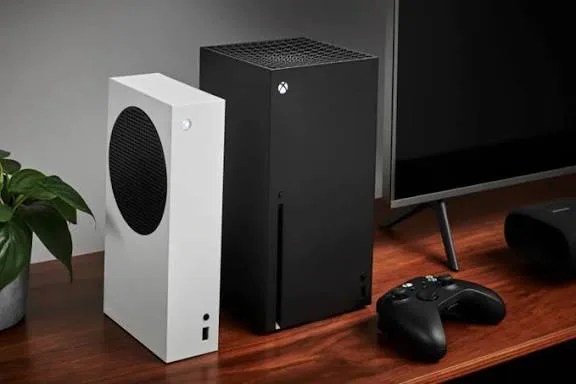
Microsoft has raised the prices of its Xbox Series X and Series S consoles across Europe, with increases of up to €200 (£170) for the Series X. This marks a significant shift from the company's previous strategy of absorbing rising costs, indicating a new approach to managing the profitability of its gaming division. The price hikes, which took effect in August 2026, mean that the Xbox Series X now retails for €549.99 and the Series S for €299.99 in many European countries, a notable jump from their initial launch prices.
This decision comes as Microsoft faces increasing pressure to make its Xbox division financially self-sufficient. While the company has not explicitly stated its reasons, the move suggests a recalibration of how the division's operational costs and investments are funded. Previously, Microsoft appeared willing to subsidize the division, potentially to gain market share or drive adoption of its Game Pass subscription service. However, the current economic climate and the ongoing costs associated with developing new hardware and exclusive content may have necessitated a more direct revenue-generating strategy through hardware sales.
The Background: Shifting Fortunes in the Console Wars
When the Xbox Series X and Series S launched in November 2020, they were priced at €499.99 and €299.99 respectively in the Eurozone. These prices were maintained for several years, even as global supply chain issues and inflation drove up manufacturing and shipping costs for electronics worldwide. Microsoft, unlike some competitors, largely absorbed these increases, allowing consumers to purchase the consoles at the intended retail price. This strategy was likely aimed at establishing a strong user base for the Xbox ecosystem, particularly for the Game Pass subscription service, which offers a library of games for a monthly fee.
However, the gaming industry is a capital-intensive business. Developing cutting-edge games requires massive budgets, and maintaining a competitive hardware offering involves significant research and development. While Xbox has seen success with Game Pass, the hardware division, which includes console sales, has historically been less profitable compared to its software and services segments. Reports and financial analyses have often pointed to the gaming division as a whole requiring substantial investment from Microsoft's broader corporate structure. The decision to increase console prices suggests that this reliance on broader corporate funding is being re-evaluated, with a greater emphasis placed on the direct profitability of the hardware itself.
The Mechanism: How Prices Were Adjusted
The price adjustments varied by region but generally saw substantial increases. In the Eurozone, the Series X saw its price climb by €200 to €549.99, and the Series S by €50 to €299.99. In the UK, the Series X increased by £170 to £479.99, and the Series S by £20 to £249.99. These changes were implemented by Microsoft and then adopted by retailers across the affected markets. The decision was not a result of individual retailers independently raising prices, but rather a directive from the manufacturer.
This move deviates from the typical pricing strategies seen in the console market, where prices often remain stable for extended periods, with reductions typically occurring closer to the end of a console generation or during promotional events. The significant percentage increase, in some cases a jump of over 33% for the Series S in certain markets, signals a more aggressive approach to revenue generation. The company's refusal to "bankroll" the division implies that the revenue generated from console sales is now expected to cover its operational expenses and contribute more directly to profits, rather than being subsidized by other Microsoft divisions.
Who Is Affected and How
Consumers in Europe and the UK are the most directly impacted by these price increases. Potential buyers looking to purchase an Xbox Series X or Series S will now face a higher upfront cost. This could deter some consumers, particularly those on tighter budgets, from entering the Xbox ecosystem or upgrading from older consoles. The Series S, often positioned as the more affordable entry point, has also seen a price hike, potentially making it less accessible to a segment of the market that prioritizes cost-effectiveness.
For existing Xbox owners, the immediate impact is minimal, as the price increase applies to new console purchases. However, it could indirectly affect the ecosystem. If fewer new consoles are sold due to the higher prices, it might slow the growth of the active user base. This, in turn, could potentially impact the long-term viability and content offerings for services like Game Pass, although Microsoft has indicated a strong commitment to that service. Developers who rely on a large install base for their games might also see a slower market expansion. Furthermore, the move could put pressure on Sony and Nintendo to re-evaluate their own pricing strategies in Europe, although both companies have historically maintained different approaches to console pricing and market positioning.
What Happens Next
The success of this pricing strategy will depend on several factors. If sales volumes remain robust despite the price increases, it will validate Microsoft's decision and potentially signal a new era of pricing for the Xbox division, where profitability is prioritized over market share expansion through subsidized hardware. This could lead to further price adjustments in other regions or a sustained higher price point for future console generations. If, however, sales decline significantly, Microsoft may be forced to reconsider its approach, potentially reintroducing some form of subsidy or offering more aggressive bundles and promotions to stimulate demand.
Another key factor is the performance of the Game Pass service. If Game Pass continues to grow and retain subscribers, it could offset slower hardware sales. Microsoft might also double down on its strategy of making Game Pass the primary value proposition, with hardware sales becoming less critical to the division's overall financial health. Conversely, if the company sees a significant drop in both hardware sales and Game Pass growth, it could lead to more drastic restructuring within the Xbox division. The competitive landscape also plays a role; if competitors maintain lower prices, Xbox could lose market share, forcing a strategic re-evaluation. The ultimate outcome will hinge on Microsoft's long-term vision for Xbox and its ability to balance hardware profitability with the broader goals of its gaming ecosystem.
Share this article
Send the story to readers on social or messengers.
Comments
Loading comments…

New Times Reporter
Editorial coverage from New Times Reporter.