Why is Google investing €13bn in Finland's AI infrastructure?
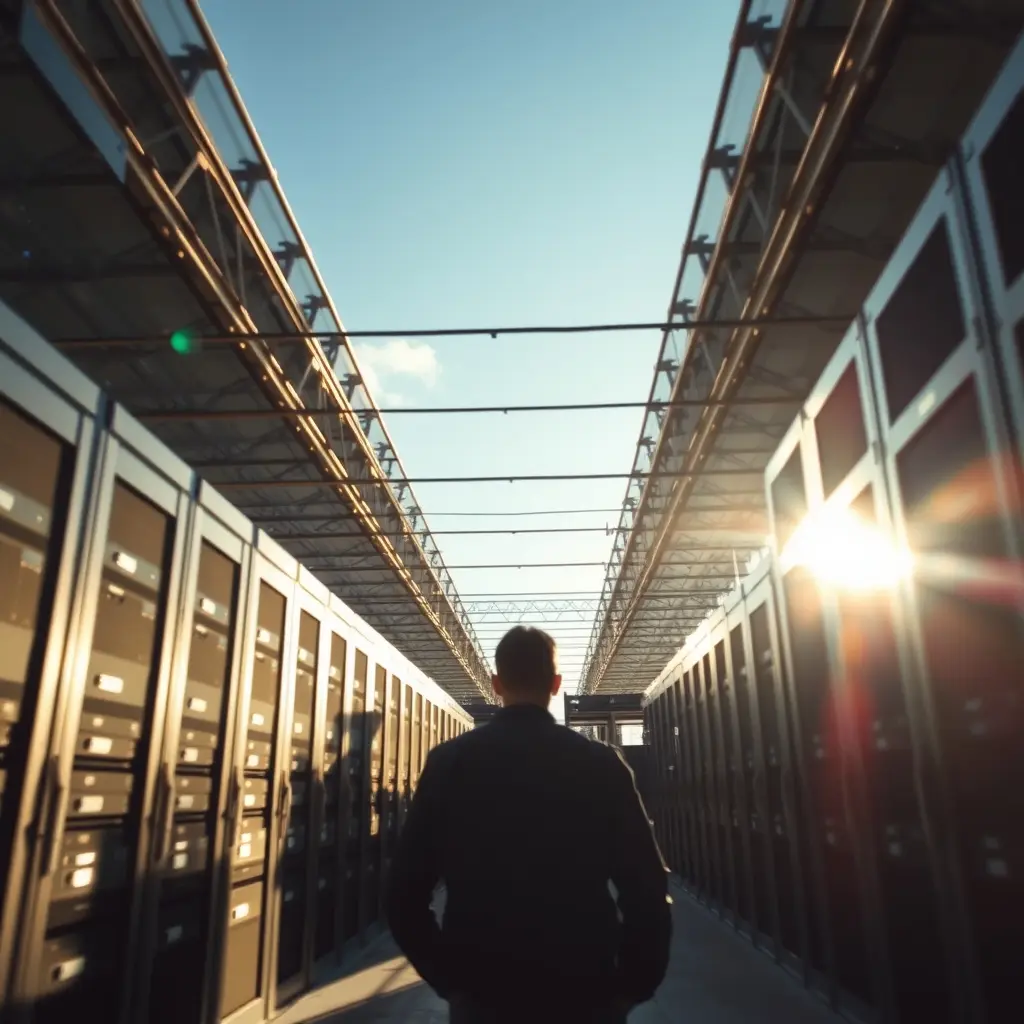
Google is making its largest single investment in Europe, a €13 billion ($15 billion) package aimed at bolstering its AI infrastructure in Finland. The tech giant plans to build three new data centres in Kajaani, Muhos, and Vaala, and expand its existing facility in Hamina, which has been operational since 2009. This significant investment is driven by the escalating demand for computing power to support artificial intelligence services like Gemini, alongside established products such as Google Search, Maps, and YouTube.
Central to this expansion is a 22-year agreement with Finnish utility Fortum to purchase up to half of the electricity generated by the Loviisa nuclear power plant. This deal, alongside investments in other clean energy projects, aims to secure a stable and substantial power supply for Google's energy-intensive data centres. The company's commitment also includes funding for local biodiversity, education, research, and workforce development, reflecting a broader strategy to integrate its infrastructure growth with community and environmental considerations.
The Background: A Data Centre Boom in the Nordics
Finland has rapidly become a prime location for data centres, attracting significant investment from major tech firms. This trend is fueled by a confluence of factors, including a cool climate that reduces cooling costs for servers, a high proportion of low-carbon electricity in its energy mix, and a relatively uncongested power grid. The country's robust data governance and skilled tech talent pool further enhance its appeal. This strategic positioning is underscored by TikTok's recent announcement of a $1 billion investment in a new data centre in Kouvola, signalling a broader industry shift towards the Nordic region for critical digital infrastructure.
Google's parent company, Alphabet, has announced global spending plans of up to $205 billion to expand its computing capacity for AI. This surge in demand for AI services, exemplified by the rapid growth of large language models, requires immense processing power. Data centres are the physical backbone of these operations, and securing reliable, large-scale energy sources is paramount. Finland's established expertise in nuclear and renewable energy, coupled with its favourable environmental conditions, makes it a compelling choice for companies seeking to meet these burgeoning energy needs responsibly.
The Mechanism: Powering AI with Nuclear Energy
The core of Google's €13 billion investment lies in securing a long-term, substantial energy supply for its expanding data centre operations. The agreement with Fortum to buy up to 50% of the output from the Loviisa nuclear power plant is a cornerstone of this strategy. This 22-year contract provides financial certainty for the Loviisa plant, which currently contributes about 10% of Finland's electricity. Fortum plans to use this commitment to support an investment programme aimed at extending the plant's operational life and potentially increasing its generating capacity.
Beyond the nuclear power purchase, Google's investment package encompasses other clean energy initiatives. These are intended to supplement the Loviisa output and contribute to the overall energy needs of the new and expanded data centres. The company is also investing in grid enhancements to ensure stable power delivery and exploring energy affordability initiatives. This multi-pronged approach to energy procurement and management is crucial for powering the vast computational demands of AI, which can consume significant amounts of electricity.
Who is Affected and How, Concretely?
This investment will have a tangible impact on Finland's economy and its population. Google estimates that the project will support over 37,000 jobs during the construction phases planned for 2027 and 2028. Furthermore, it is projected to boost Finland's GDP by €3.6 billion annually. The construction of new data centres in Kajaani, Muhos, and Vaala, along with the expansion in Hamina, will create local employment opportunities and stimulate economic activity in these regions.
For Finnish citizens, the investment promises benefits beyond job creation. Google has pledged funds for local community initiatives, including support for nature conservation, education programmes, and research and development. The long-term power purchase agreement for the Loviisa nuclear plant provides stability for its operations and the jobs associated with it. Additionally, the expansion of digital infrastructure could foster further innovation and attract more tech-related talent and investment to the country, potentially leading to a more robust digital economy.
What Happens Next?
The immediate next steps involve detailed planning and preparatory work for the construction of the new data centres, scheduled to begin in 2027. Google and Fortum will likely finalize the operational details of their 22-year power purchase agreement, including any necessary upgrades or life extension plans for the Loviisa nuclear plant. The company will also commence its investments in clean energy projects, nature funds, and community development programmes.
For the investment to fully materialize as planned, several factors will be critical. Continued political and regulatory stability in Finland will be essential for such a long-term project. The availability of skilled labour for construction and subsequent operations will be a key determinant of the timeline and success. Furthermore, the global demand for AI services must continue to grow at a pace that justifies Google's significant investment in computing infrastructure. Should any of these factors falter, the projected timelines or the scale of the investment could be subject to revision.
Share this article
Send the story to readers on social or messengers.
Comments
Loading comments…

New Times Reporter
Editorial coverage from New Times Reporter.