Why did a WNBA coach wear a 'trans kids belong' shirt?
The Context: A Growing Debate Over Transgender Athletes in Sports
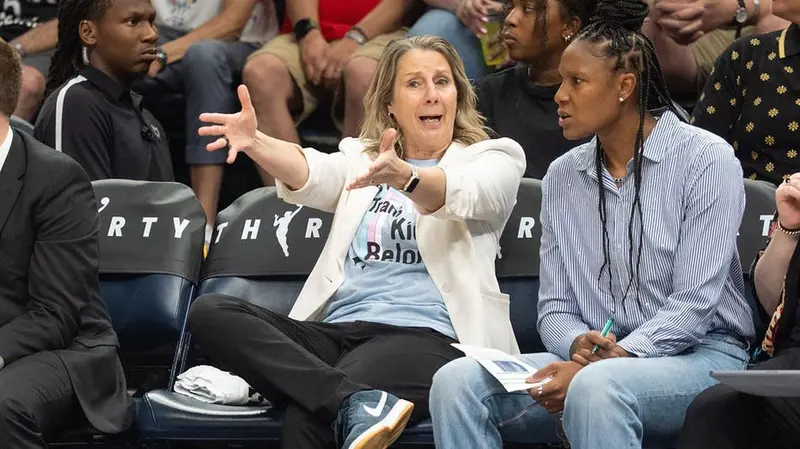
The WNBA has become a focal point for a broader cultural debate surrounding the inclusion of transgender athletes, particularly transgender women, in women's sports. This issue touches on deeply held beliefs about fairness, biological differences, and gender identity. The controversy escalated in August 2026 when Minnesota Lynx head coach Cheryl Reeve wore a shirt stating "trans kids belong" ahead of a game against the Indiana Fever. This action occurred amidst protests outside the arena, with one side supporting Indiana Fever player Sophie Cunningham's stance on protecting women's sports, and the other side counter-protesting in support of transgender inclusion.
Former Minnesota Vikings captain Jack Brewer publicly criticized Reeve's decision, viewing it as an endorsement of policies he believes undermine women's sports. Brewer, a father of a young daughter involved in competitive sports, expressed concern that such messaging could negatively influence young girls and promote what he described as "psychiatric treatment" for children. His comments reflect a segment of public opinion that links gender-affirming care for minors with potential harm and advocates for strict sex-based categories in sports.
This incident is not isolated. Several other WNBA coaches have faced scrutiny for their responses to questions about transgender athletes. Golden State Valkyries coach Natalie Nakase, Indiana Fever coach Stephanie White, and Portland Fire coach Alex Sarama have all been noted for declining to explicitly back policies focused solely on protecting sex-based categories in women's sports. Additionally, a controversy involving Seattle Storm co-owner Celeste Keaton, who was suspended and fined for allegedly confronting fans supporting Cunningham's stance, highlights the charged atmosphere surrounding these discussions within the league.
The Mechanism: A Coach's Statement and Public Reaction
Cheryl Reeve, the head coach of the Minnesota Lynx, wore a t-shirt with the slogan "trans kids belong" on August 4, 2026, prior to her team's game against the Indiana Fever at the Target Center in Minneapolis. This act was widely interpreted as a public statement of support for transgender youth and their inclusion in society, including in sports. The timing and context of her wearing the shirt are significant, occurring as protests related to transgender athletes in women's sports took place outside the venue.
Jack Brewer, a former NFL player with ties to Minnesota, responded to Reeve's action by issuing a statement criticizing her stance. Brewer framed Reeve's support for transgender inclusion as harmful to young girls participating in sports. He specifically stated that Reeve was promoting the idea that children should be affirmed rather than receive "psychiatric treatment," a sentiment that aligns with opposition to gender-affirming care for minors. Brewer's criticism also extended to the WNBA's broader approach, suggesting the league prioritizes certain ideologies over the protection of women's sports and fails to adequately support star player Caitlin Clark due to her perceived lack of alignment with a "victimhood mentality."
The controversy also involves other WNBA coaches and team personnel. Coaches like Natalie Nakase, Stephanie White, and Alex Sarama have reportedly been hesitant to take definitive public stances in favor of excluding transgender athletes from women's sports. The incident with Seattle Storm co-owner Celeste Keaton, who was suspended and fined for confronting fans supporting Sophie Cunningham's views, further illustrates the tensions within the league. Brewer advised other coaches and owners to "speak the truth" and hold accountable those who promote what he considers to be harmful ideologies.
Who is Affected and How
The primary individuals affected by this controversy are the athletes, coaches, and fans involved in the WNBA, as well as the broader public engaging with the debate on transgender inclusion in sports. For WNBA players like Sophie Cunningham and Caitlin Clark, their public statements and perceived stances on these issues can lead to both support and backlash, influencing their public image and potentially their careers.
Coaches like Cheryl Reeve, Natalie Nakase, Stephanie White, and Alex Sarama are directly impacted by the pressure to navigate these sensitive topics publicly. Their statements, or lack thereof, can align them with specific viewpoints, potentially alienating segments of the fanbase or drawing criticism from figures like Jack Brewer. Brewer himself, as a former athlete and public figure, is affected by his vocal stance, which positions him as a critic of current WNBA leadership and a proponent of a particular view on gender and sports.
Fans are also directly affected. Those who support the inclusion of transgender athletes may feel represented and validated by Reeve's actions, while those who prioritize sex-based categories in women's sports, like Brewer and supporters of Sophie Cunningham, may feel alienated or angered. The incident outside the Target Center, involving protests and counter-protests, demonstrates the real-world impact of these debates on public spaces and community interactions. Furthermore, young girls participating in sports, as highlighted by Brewer's concern for his daughter, are at the center of the discussion, with differing views on how best to ensure their safety, fairness, and opportunities.
What Happens Next
The future trajectory of this controversy within the WNBA and the broader sports landscape will likely depend on several factors. The league office may issue further guidance or statements regarding its policies on transgender inclusion and athlete conduct, potentially attempting to unify its messaging or clarify its stance. The response from other coaches, players, and team owners will also be crucial; a unified front or continued divergence could shape public perception and internal league dynamics.
Public opinion and media coverage will continue to play a significant role. If public sentiment leans more heavily towards either inclusion or exclusion, it could influence sponsorship deals, fan engagement, and the league's overall marketability. The ongoing legal and political battles surrounding transgender rights and sports participation at state and federal levels will also indirectly impact the WNBA, creating a broader context for these discussions.
For outcomes to shift, several things would need to happen. If the WNBA were to adopt stricter policies limiting transgender participation, it might appease critics like Brewer and some segments of the fanbase, but could alienate supporters of LGBTQ+ rights and potentially lead to boycotts or protests from other groups. Conversely, if the league were to more explicitly champion transgender inclusion, it could face continued criticism and potential backlash from those who believe it compromises women's sports, but might strengthen its appeal to a different demographic.
Jack Brewer's call for accountability suggests that continued public discourse and pressure from figures with influence in sports could lead to internal reviews or changes in coaching and management decisions. The WNBA's handling of star player Caitlin Clark's popularity, which Brewer believes is being mishandled due to ideological reasons, also remains a point of contention that could influence future league strategies and public perception.
Share this article
Send the story to readers on social or messengers.
Comments
Loading comments…

New Times Reporter Staff
Compiled and edited by the New Times Reporter newsroom from wire and publisher reporting, with the original source credited on every story.