Why did the Acting AG rescind the $1.8B anti-weaponization fund?
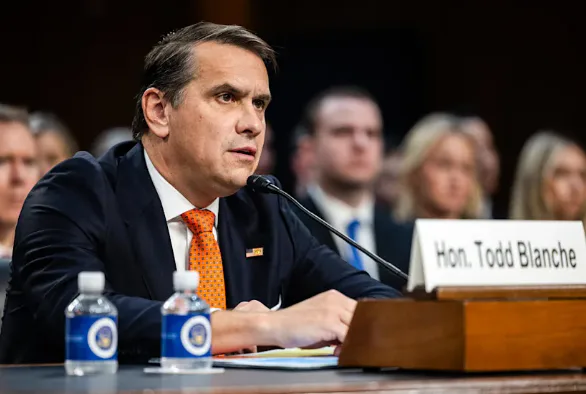
The Background: A Nominee Under Pressure
Acting Attorney General Matthew G. Whitaker's decision on August 3, 2026, to rescind a $1.8 billion fund aimed at combating the "weaponization" of federal agencies came as he sought confirmation for the permanent Attorney General position. This move was a direct response to significant opposition from Republican senators, who had threatened to block his nomination. The fund, established by the Trump administration, was intended to investigate alleged overreach and bias within federal agencies, particularly those perceived as targeting conservative interests. Senators like John Cornyn and Thom Tillis had indicated their support for Whitaker was contingent on assurances regarding the fund's future and the administration's approach to agency oversight.
The controversy surrounding the fund highlighted a broader political struggle over the role and perceived impartiality of federal law enforcement and regulatory bodies. Critics argued the fund was a politically motivated initiative designed to undermine established government institutions, while supporters saw it as a necessary check on potential abuses of power. Whitaker's rescission was seen as a strategic maneuver to appease these Republican concerns and secure the votes needed for his confirmation, demonstrating the high stakes involved in the nomination process and the influence of key congressional figures.
The Mechanism: How the Fund Was Rescinded
The $1.8 billion "anti-weaponization" fund was not a standalone appropriation but rather a reallocation of existing resources within the Department of Justice. The initial directive to establish and utilize these funds was an internal policy decision made under the Trump administration. To rescind it, Acting Attorney General Whitaker issued a new directive or memorandum, effectively reversing the previous order. This process involves administrative action within the executive branch, allowing the Acting AG to alter or nullify policies and resource allocations previously put in place.
This administrative rescission bypasses the need for congressional approval, as it pertains to the internal management of departmental funds. The specific mechanism would have involved a formal order from Whitaker to the relevant divisions within the Department of Justice, such as the Office of Legal Counsel or the Executive Office for Administration, to cease any ongoing activities related to the fund and reallocate the resources to other priorities. The fund's existence and its subsequent rescission illustrate the power of the Attorney General, especially an acting one, to shape the department's focus through executive directives.
Who is Affected and How, Concretely
The primary individuals affected by the rescission are the personnel within the Department of Justice who were tasked with investigating or overseeing the "anti-weaponization" initiatives. This includes investigators, analysts, and legal staff who may have been assigned to specific projects under the fund. Their work would likely be halted or redirected, potentially leading to a shift in departmental priorities away from scrutinizing alleged agency overreach.
Furthermore, groups and individuals who were either beneficiaries of the fund's investigations or who had hoped to utilize it for future complaints could be impacted. For instance, organizations or individuals who believed they were unfairly targeted by federal agencies might see their avenues for redress narrowed. Conversely, federal agencies that were the subject of scrutiny under the fund would likely experience a reduction in the perceived threat of investigation, potentially altering their operational calculus. For the broader public, the rescission signifies a shift in the Department of Justice's focus, potentially signaling a less aggressive stance on investigating alleged abuses of power within the federal bureaucracy.
What Happens Next, and What Would Have to Be True
The immediate consequence of the rescission is that Whitaker's path to confirmation as Attorney General may become smoother, assuming the Republican senators who opposed the fund are satisfied. If the key Republican votes are secured, his nomination would likely proceed through the Senate Judiciary Committee and then to the full Senate for a vote. For this outcome to occur, Senators like John Cornyn and Thom Tillis, and potentially others who were withholding support, would need to publicly announce their intention to vote in favor of Whitaker's confirmation.
However, if the rescission does not fully appease the dissenting senators, or if other issues arise, Whitaker's nomination could still face significant hurdles. A failure to secure confirmation would mean Whitaker would likely continue as Acting Attorney General, or President Trump would have to nominate someone else. This could lead to prolonged uncertainty at the head of the Department of Justice. Alternatively, if the rescission is viewed by some as a sign of political expediency rather than genuine policy change, it could alienate other factions or further entrench opposition, making confirmation difficult. The political climate and the specific demands of wavering senators will dictate the ultimate success or failure of Whitaker's bid for the permanent position.
Share this article
Send the story to readers on social or messengers.
Comments
Loading comments…

Grant Mitchell
Grant Mitchell focuses on security and geopolitics, with deep coverage of conflict and diplomacy.