Why does a Wisconsin brewery sell politically charged beer?
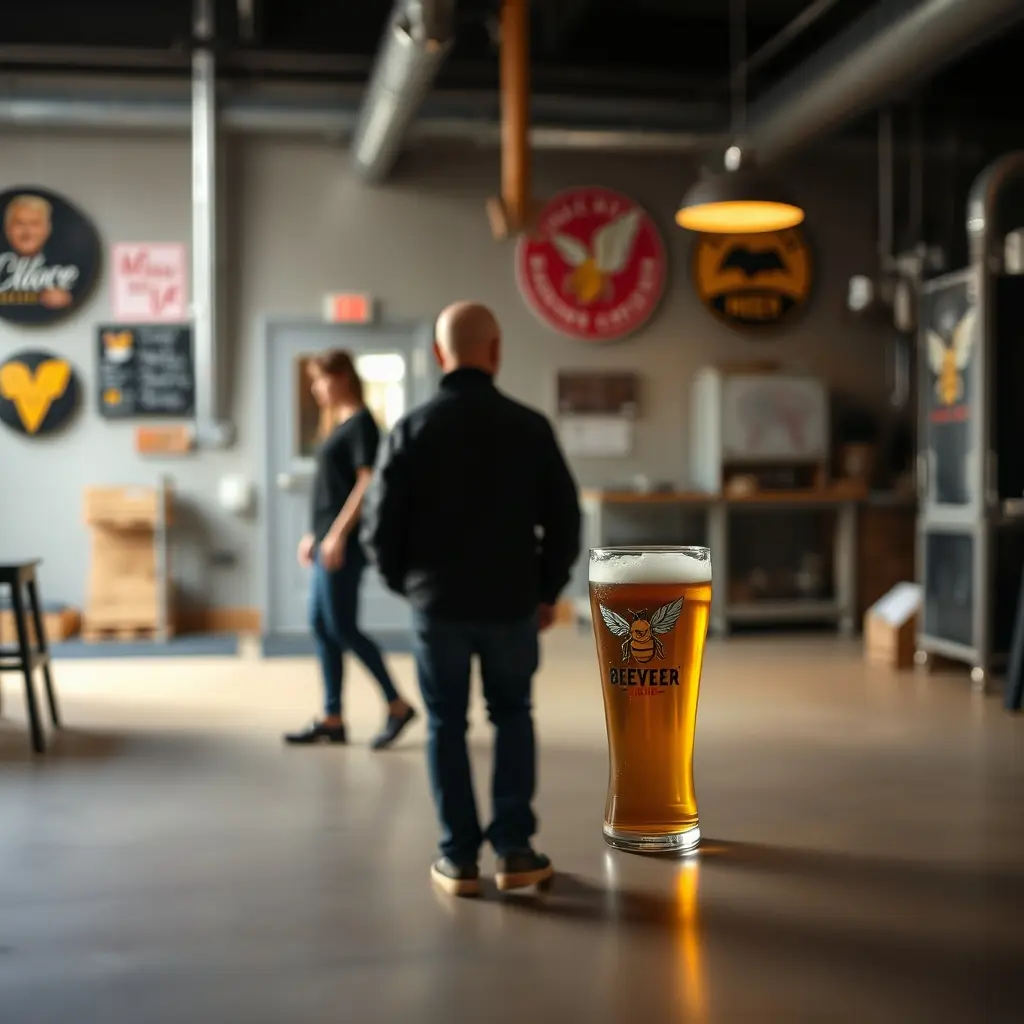
Minocqua Brewing Company, a Wisconsin-based brewery, has gained notoriety for releasing politically themed beers, most recently "Antifa Octoberfist." This beer follows previous controversial offerings, including promises of free beer on the day President Donald Trump dies and half-price beer when Sen. Mitch McConnell dies. The brewery states its "Antifa Octoberfist" beer, a German-style Festbier, is a patriotic response to the resurgence of fascism, with its label asking, "Is it OK to punch a Nazi?" and promoting American ideals of democracy and justice.
The brewery's provocative marketing strategy has drawn both attention and backlash. The "Antifa Octoberfist" beer was announced after Abdul El-Sayed won the Democratic primary for Senate in Michigan. The brewery's social media post explicitly linked El-Sayed's victory to the release of the beer, stating, "Now that another card-carrying member of ANTIFA has won the Democratic Primary in Michigan, we thought today would be a good day to announce that our seasonal Octoberfest is BACK--and it's call ‘Antifa Octoberfist!’" This aligns with the brewery's history of using political events and figures to promote its products.
The Background: A Brewery's Political Stance
Minocqua Brewing Company, located in Minocqua, Wisconsin, has increasingly embraced a politically charged brand identity. This approach escalated with the announcement of free beer upon President Trump's death, a statement that generated significant national attention. This was followed by plans for a "half-price beer day" coinciding with Senator Mitch McConnell's death. The brewery's owner, Kirk Bangstad, has positioned these releases as a form of political commentary and activism. The recent unveiling of "Antifa Octoberfist" is framed as a response to what the brewery perceives as a rise in fascism, directly referencing the victory of Michigan Senate candidate Abdul El-Sayed, whom the brewery labels as a "card-carrying member of ANTIFA."
The brewery's actions have not gone unnoticed by state regulators. In July 2026, Wisconsin's Department of Revenue initiated proceedings to revoke the brewery's alcohol permit. This action was reportedly due to allegations of transporting canned beer from Illinois without the necessary permits and taxes. While the revocation was slated to take effect on August 5, 2026, the brewery filed an administrative appeal, halting the revocation pending the appeal's outcome. This regulatory scrutiny adds a layer of legal consequence to the brewery's controversial marketing tactics.
How it Works: Marketing Through Controversy
Minocqua Brewing Company's strategy hinges on generating attention through provocative political statements tied to its beer releases. The process involves identifying politically charged moments or figures and creating a product or promotion that directly comments on them. For "Antifa Octoberfist," the trigger was the Democratic primary victory of Abdul El-Sayed in Michigan. The brewery then launched a beer named after a politically charged term, "Antifa," and associated it with a traditional German beer style, "Oktoberfest," to create "Antifa Octoberfist."
The beer's labeling and marketing materials are designed to provoke discussion and reinforce the brewery's anti-fascist stance. The can's message explicitly addresses the question, "Is it OK to punch a Nazi?" and draws parallels between World War II antifascists and contemporary opposition to fascism. The brewery's approach is to leverage current political events and ideological debates to create a narrative around its brand, aiming to attract a customer base that resonates with its progressive and sometimes confrontational messaging.
This marketing model relies on creating a sense of urgency and relevance, linking the beer directly to ongoing political discourse. By framing its products as a form of commentary or protest, the brewery aims to differentiate itself in a crowded market and foster a loyal following among those who share its political views.
Who is Affected and How
Minocqua Brewing Company's actions directly impact several groups. Firstly, consumers interested in politically aligned products are directly engaged. Those who agree with the brewery's anti-fascist stance and progressive politics may be drawn to "Antifa Octoberfist" and other similarly themed offerings, seeing the purchase as a form of support or solidarity. Conversely, individuals and groups who oppose the brewery's messaging, particularly its use of terms like "Antifa" and its provocative statements about political figures, are likely to be alienated or angered.
Politicians and political movements are also affected. Abdul El-Sayed, the Michigan Senate candidate whose primary victory prompted the "Antifa Octoberfist" release, has been implicitly associated with the beer and the brewery's rhetoric. While the brewery frames this as support, it could also lead to unwanted scrutiny or criticism for El-Sayed, particularly if his campaign seeks to distance itself from such controversial endorsements. Similarly, figures like Donald Trump and Mitch McConnell, who were the subjects of previous promotions, are drawn into the brewery's marketing orbit, whether they acknowledge it or not.
State regulators, such as the Wisconsin Department of Revenue, are directly involved when the brewery's business practices, like alleged tax violations, come under scrutiny. The potential revocation of the brewery's permit highlights the tension between a business's freedom of expression through marketing and compliance with state regulations. The broader public, particularly in Wisconsin, is affected by the debate over such marketing tactics and the potential impact on the local business environment and regulatory oversight.
What Happens Next
The future of Minocqua Brewing Company's politically charged marketing and its operational status hinges on several factors. The administrative appeal against the proposed revocation of its alcohol permit is a critical immediate concern. If the appeal is unsuccessful, the brewery could face significant operational challenges, potentially leading to a cessation of business or a forced change in its marketing strategy. The outcome of this appeal, expected in the coming months, will determine whether the brewery can continue to operate under its current model.
Beyond regulatory hurdles, the brewery's long-term success will depend on its ability to sustain its controversial marketing approach. Continued releases of politically charged beers could further solidify its niche audience but also risk alienating a broader customer base or attracting further regulatory attention. The political landscape itself will play a role; shifts in public sentiment or the outcomes of elections involving figures targeted by the brewery could influence the relevance and reception of future products.
Should the brewery continue to face regulatory challenges or public backlash, it might be compelled to moderate its messaging or face closure. Conversely, if its strategy proves successful in attracting a dedicated customer base and generating consistent revenue, it may continue to push the boundaries of political marketing in the craft beer industry. The precedent set by this brewery could also influence other businesses considering similar ventures, creating a playbook for leveraging political controversy for brand building.
Share this article
Send the story to readers on social or messengers.
Comments
Loading comments…

New Times Reporter
Editorial coverage from New Times Reporter.