Why Ebola workers strike in Congo despite WHO chief's visit
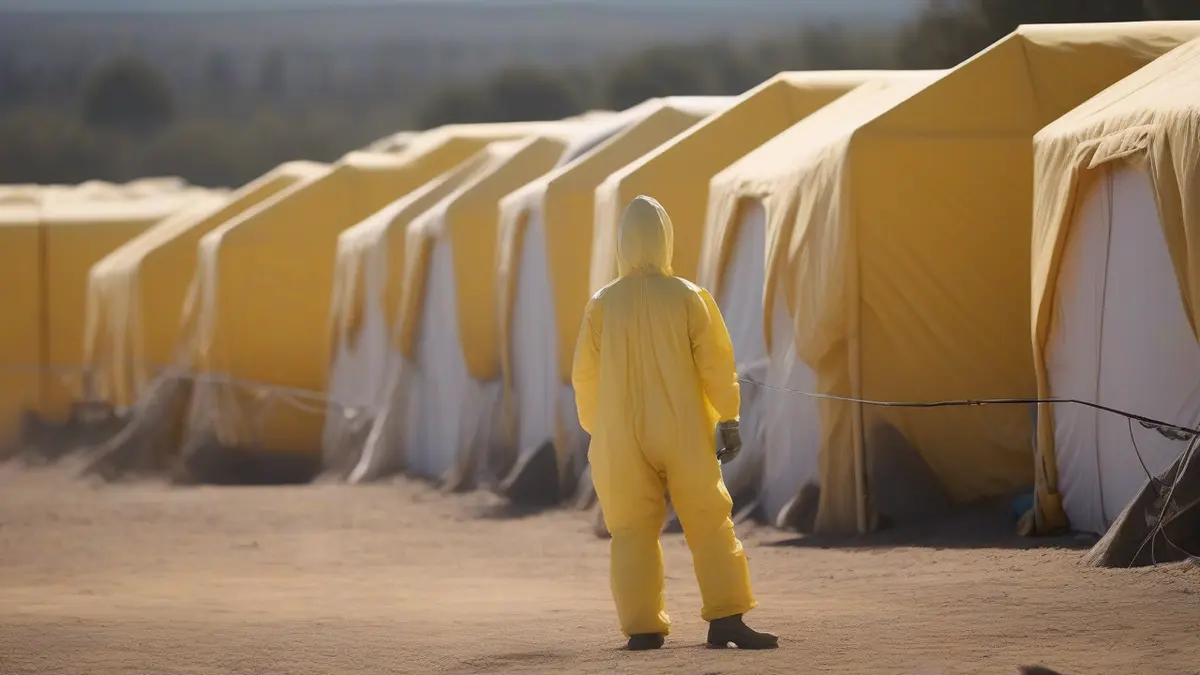
The Background: A Persistent Outbreak and Strained Resources
The Democratic Republic of Congo (DRC) has been grappling with a devastating Ebola outbreak since August 2018. This epidemic, primarily affecting the eastern provinces, has become the second-deadliest in history, surpassing 1,700 deaths. The World Health Organization (WHO) has been a central player in coordinating the response, deploying medical teams and resources to combat the virus, which is caused by the Bundibugyo virus. Despite these efforts, the outbreak has proven exceptionally challenging to contain due to a complex mix of factors, including insecurity, mistrust within local communities, and the vast, difficult terrain of the affected regions. The ongoing international effort to control the spread and treat infected individuals has been substantial, involving significant financial and human capital.
The Mechanism: Pay Disputes Fueling a Strike
The current unrest stems from a dispute over compensation and working conditions for Ebola response workers. Many of these frontline health professionals, who risk their lives daily to treat patients and prevent further transmission, have not received their full pay or hazard bonuses. This situation has led to a strike by some of these workers, disrupting crucial response activities. The World Health Organization, as a key coordinating body, faces pressure to ensure fair compensation for all personnel involved in the outbreak response. The strike highlights a critical tension between the urgent need to control a deadly epidemic and the basic rights and fair treatment of the workers undertaking that dangerous task. The WHO chief's visit, intended to bolster support and morale, has coincided with this internal labor dispute, underscoring the multifaceted challenges.
Who is Affected and How: A Ripple Effect on Containment
The strike directly impacts the ongoing efforts to contain the Ebola outbreak. When healthcare workers down tools, essential services such as patient care, contact tracing, vaccination campaigns, and community outreach can be significantly curtailed or halted altogether. This disruption provides the virus with opportunities to spread further, potentially leading to an increase in new cases and deaths. Local communities, already bearing the brunt of the epidemic, face prolonged fear and uncertainty, and their access to life-saving treatment and prevention measures is compromised. For the striking workers, the immediate impact is financial hardship and a feeling of being undervalued, despite their critical role. For international partners and the Congolese government, the strike represents a setback in a long and arduous battle against a persistent public health crisis, potentially eroding progress made and requiring additional resources to overcome.
What Happens Next: Resolving the Dispute and Resuming Operations
The immediate future hinges on the resolution of the workers' pay dispute. Negotiations between the striking workers, their representatives, the WHO, and potentially the Congolese Ministry of Health are critical. For the strike to end, an agreement must be reached on back pay, hazard allowances, and potentially improved future compensation structures. If a resolution is achieved quickly, response activities can resume, allowing for the re-establishment of containment measures. However, if the dispute drags on, the outbreak could intensify, requiring a more robust and potentially costly international response. A prolonged strike could also damage trust between aid organizations and local workers, making future operations more difficult. The success of future Ebola response efforts in the DRC will depend not only on medical interventions but also on ensuring the well-being and fair treatment of the personnel on the ground.
Share this article
Send the story to readers on social or messengers.
Comments
Loading comments…

New Times Reporter
Editorial coverage from New Times Reporter.