Why is TP-Link's Deco X20 the Best-Selling Mesh Wi-Fi System on Amazon?
The Appeal of Seamless Connectivity
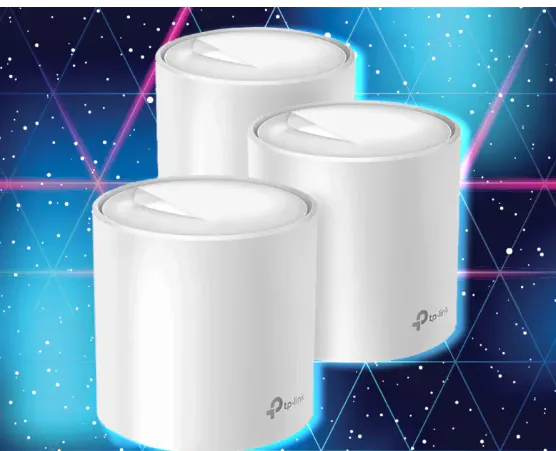
Amazon's best-selling mesh Wi-Fi system is the TP-Link Deco X20, a device that promises to eliminate Wi-Fi dead zones and provide a stable internet connection throughout a home. This popularity suggests a widespread consumer need for robust and easy-to-manage home networking solutions that go beyond the capabilities of traditional single routers. Mesh systems, by their nature, offer a more comprehensive coverage solution, especially in larger homes or those with challenging layouts.
The Deco X20's success indicates that consumers are prioritizing reliable Wi-Fi performance and are willing to invest in systems that deliver it. The system's ability to blanket a home in a single, unified Wi-Fi network, managed through a user-friendly app, addresses common frustrations like dropped connections and slow speeds, particularly when moving between rooms. Its relatively affordable price point, often found under $100 for a multi-pack, also makes it an accessible upgrade for many households.
How Mesh Wi-Fi Systems Work
A mesh Wi-Fi system consists of a main router and one or more satellite "nodes" or "points" that work together to create a single, large Wi-Fi network. Unlike traditional Wi-Fi extenders, which can create separate network names and often halve bandwidth, mesh nodes communicate with each other wirelessly (or via Ethernet in a wired backhaul setup) to seamlessly route your devices to the strongest signal. When you move from one room to another, your device automatically connects to the node with the best signal strength without interruption, a process called roaming.
Each node in the TP-Link Deco X20 system broadcasts the same network name (SSID) and password. Devices connect to the node that provides the best performance, and the system intelligently manages these connections. The main Deco unit connects directly to your modem, while additional Deco units are placed strategically around the house. The system's intelligence ensures that data traffic is efficiently routed through the network, optimizing speed and stability. Setup and management are typically handled through a smartphone app, which guides users through placement, configuration, and ongoing monitoring of the network.
Who is Affected and How
Homeowners and renters in medium to large residences (typically over 1,500 square feet) are the primary beneficiaries of mesh Wi-Fi systems like the Deco X20. Those living in older buildings with thick walls or complex layouts that hinder traditional Wi-Fi signals also stand to gain significant improvements. The system directly impacts users who experience inconsistent internet speeds, dropped connections, or complete dead zones in certain areas of their homes.
For these individuals, the Deco X20 offers a concrete solution to daily frustrations. Streaming video, online gaming, video conferencing for work or school, and even simple web browsing become more reliable and enjoyable. Families with multiple users and devices simultaneously accessing the internet will notice improved performance and reduced congestion. The ease of setup and app-based management also benefits less tech-savvy users who want a robust network without complex configuration.
What Happens Next
The continued popularity of mesh Wi-Fi systems like the TP-Link Deco X20 suggests a sustained demand for improved home networking. As internet service speeds increase and the number of connected devices per household grows, the limitations of older router technologies become more pronounced. This trend will likely drive further innovation in mesh technology, with manufacturers competing on features such as increased speed (e.g., Wi-Fi 6E, Wi-Fi 7), enhanced security protocols, and more advanced network management capabilities.
Future developments could include even more integrated smart home features within mesh systems, or further price reductions as the technology matures and competition intensifies. For consumers, the next step might involve upgrading to newer standards as they become more affordable, or expanding their existing mesh networks with additional nodes. The success of systems like the Deco X20 sets a benchmark for performance, ease of use, and value in the home networking market, influencing the development of competing products from companies like Google Nest and Netgear.
Share this article
Send the story to readers on social or messengers.
Comments
Loading comments…

Grant Mitchell
Grant Mitchell focuses on security and geopolitics, with deep coverage of conflict and diplomacy.