Why Trump's Iran strike cancellation matters
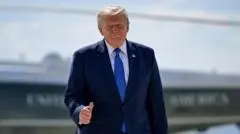
President Donald Trump announced on August 1, 2026, that he had halted planned military strikes against Iran, citing a potential deal and requests from Iran and Middle Eastern nations to "hold off." This decision, presented as a conditional pause rather than a full de-escalation, leaves open the possibility of renewed conflict. The "perimeters" of a deal, as described by Trump, purportedly include reopening the Strait of Hormuz and addressing Iran's nuclear program. This statement came amidst reports of significant US military preparations for extensive strikes, indicating a high level of tension and a narrow window for diplomatic resolution.
The "deal" Trump alluded to remains undefined, but the mention of reopening the Strait of Hormuz suggests a focus on maritime security and freedom of navigation. Iran's nuclear threat, a long-standing international concern, is also presented as a key component. The rapid nature of the "rapidly" condition implies that any diplomatic progress must be immediate to prevent the resumption of hostilities. The US government simultaneously issued advisories for American citizens in the Middle East to be prepared for potential evacuations due to escalating regional tensions, underscoring the volatile situation.
The Background: Escalating Tensions Since April
Relations between the United States and Iran have been on a precipitous downward trajectory since a ceasefire agreement in April, which ultimately collapsed in June 2026. This breakdown marked the end of a brief period of de-escalation, paving the way for a renewed cycle of retaliatory actions. The US has since conducted what it described as a "heavy wave" of strikes against Iranian targets, framed as a response to an attempted ballistic missile attack on American forces in the region.
These US actions have included blockading Iranian ports and bombing various sites within Iran. In parallel, Iran has retaliated by firing missiles and drones at US assets across the Middle East and by targeting commercial shipping in the Strait of Hormuz. This vital waterway, through which a significant portion of global oil passes, has become a focal point of the conflict, with Iran's actions directly impacting international trade and energy markets. The US and Israel commenced their current wave of strikes against Iran on February 28, 2026, leading to considerable volatility in oil prices.
The Mechanism: How Strikes and Deals Work
The US military's "locked and loaded" posture, as described by President Trump, implies a state of readiness for immediate and overwhelming force. The potential strikes were reportedly discussed during a cabinet meeting on Friday, August 1, 2026, with sources indicating plans for a campaign targeting energy infrastructure. The scale of the proposed action was described as "Military Terror, Strength, and Power not seen since World War II," suggesting a significant escalation beyond conventional responses.
Trump's announcement of cancellation, however, hinges on a "deal being made rapidly." This suggests a transactional approach to de-escalation, where specific concessions from Iran, such as reopening the Strait of Hormuz and curtailing its nuclear program, would avert military action. The involvement of "other countries in the Middle East" in requesting a hold-off indicates a regional diplomatic effort, potentially involving allies concerned about wider conflict. Saudi Crown Prince Mohammed bin Salman's reported conversation with Trump on Saturday, August 2, 2026, expressing "concern" about the strikes, highlights this regional engagement.
Who Is Affected and How
American citizens residing in or traveling through the Middle East are directly affected by the heightened tensions. The US government's advisory on August 2, 2026, urged "caution and heightened vigilance," warning of potential "flight cancellations, periodic airspace closures, and potential travel disruptions." This indicates a real possibility of being caught in the crossfire or facing significant logistical challenges should hostilities resume or escalate.
Global energy markets are also highly sensitive to developments in the Strait of Hormuz. Any disruption to shipping in this vital chokepoint, whether through blockades or direct attacks, can lead to sharp increases in oil prices, impacting economies worldwide. Businesses reliant on oil imports, consumers facing higher fuel costs, and governments managing energy security are all indirectly affected by the US-Iran standoff. Furthermore, the "survival of a successful and prosperous Iran," as mentioned by Trump, suggests that the long-term economic and political future of Iran itself is at stake, depending on the outcome of these diplomatic and military maneuvers.
What Happens Next
The immediate future hinges on the "rapid" formation of a deal between the US and Iran. If diplomatic channels can quickly yield concrete agreements on reopening the Strait of Hormuz and addressing Iran's nuclear program, the planned strikes may be permanently averted. This scenario would likely involve intense, behind-the-scenes negotiations, possibly facilitated by intermediaries like Saudi Arabia. The US would need to see tangible actions from Iran to confirm compliance.
Alternatively, if negotiations falter or Iran does not meet the US demands swiftly, President Trump's "locked and loaded" military option remains on the table. The US could proceed with the planned strikes, potentially triggering a wider regional conflict. This outcome would depend on Trump's assessment of Iran's willingness to negotiate and the perceived urgency of the threat. A third possibility is a prolonged period of high tension without immediate military action, characterized by continued standoffs, limited skirmishes, and ongoing diplomatic efforts, creating persistent uncertainty for regional stability and global markets.
Share this article
Send the story to readers on social or messengers.
Comments
Loading comments…

New Times Reporter
Editorial coverage from New Times Reporter.