Why WNBA players' complaints about heckling fans are controversial
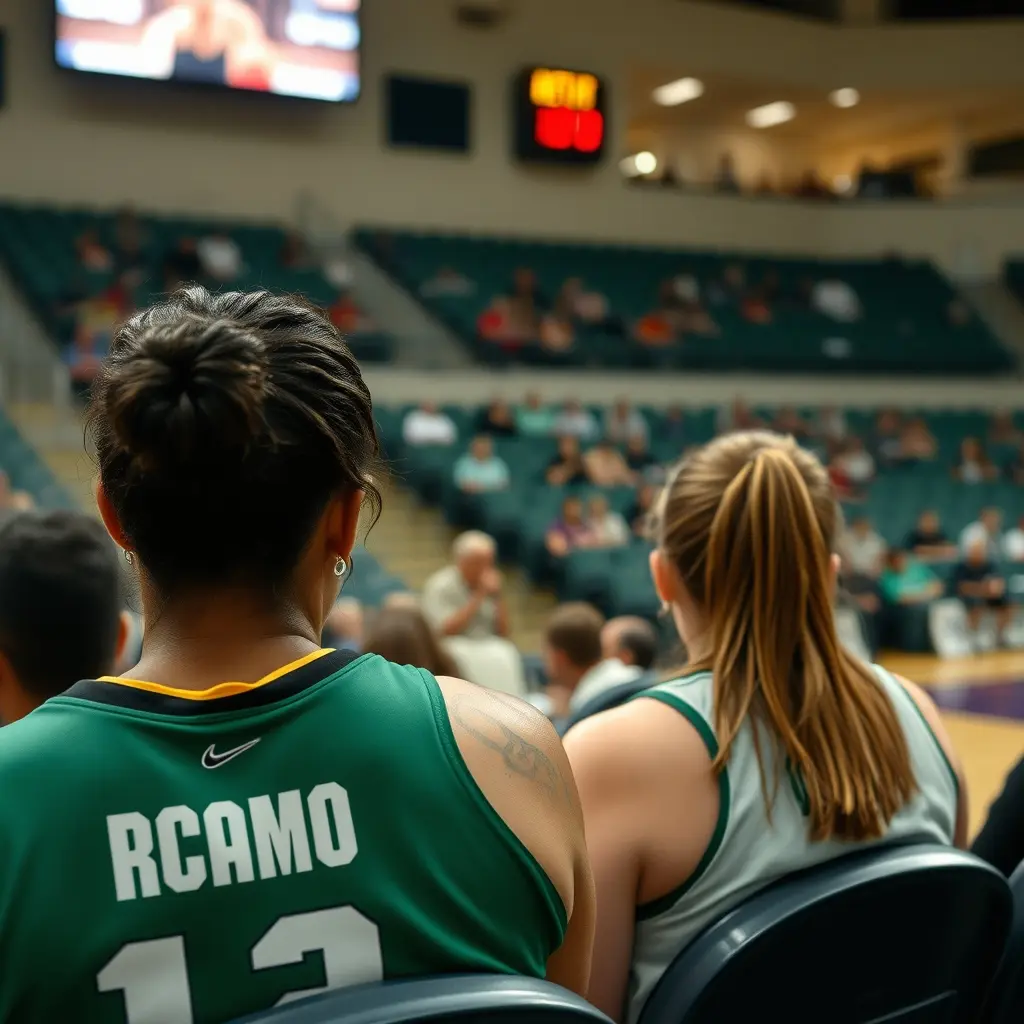
The WNBA is grappling with how to handle fan interactions, a situation brought to a head on August 6, 2026, during a close game between the Indiana Fever and the Las Vegas Aces in Indianapolis. The controversy ignited when Aces player Jackie Young reportedly confronted fans and requested security intervention due to their noise. This incident, coupled with broader discussions about player sensitivity to criticism, highlights a tension between the league's desire for increased attention and its players' reactions to perceived disruptive fan behavior.
The core of the issue lies in the WNBA's evolving public image and its relationship with its fanbase. While the league aims to attract a wider audience and increase its visibility, some observers argue that player complaints about typical sporting atmosphere, including heckling, are out of step with the expectations of professional sports. The incident involving Young and the unnamed fans, who an Indiana Fever spokesperson later stated did not violate the Fan Code of Conduct and "elected to leave," has become a focal point for debates about sportsmanship, fan engagement, and the boundaries of acceptable spectator behavior.
The Background: A League Seeking Growth
The WNBA has been actively working to expand its reach and appeal, particularly in recent years. This push for greater recognition and viewership has led to increased media coverage and a growing spotlight on its star players, including Caitlin Clark of the Indiana Fever and the Las Vegas Aces' roster. As the league courts more attention, it faces the challenge of balancing the excitement of competitive sports with the expectations of a diverse audience. The August 6th game, a tight contest that went into overtime and was decided by a last-second shot from Chelsea Gray, garnered significant attention, amplifying the discussion around fan conduct.
This situation is not entirely new. Discussions about player interactions with fans and the nature of heckling have surfaced in various sports. However, the WNBA's specific context, as a league striving for mainstream acceptance and often highlighting its players' resilience, adds layers to the debate. Some critics suggest that a more robust, vocal fan culture is a sign of a league's growing popularity, while others believe that certain levels of fan behavior cross the line into harassment, necessitating intervention.
The Mechanism: Player Complaints and Security
During the August 6, 2026, game between the Indiana Fever and the Las Vegas Aces at Gainbridge Fieldhouse, an incident occurred involving courtside fans and Aces player Jackie Young. According to reports, Young directed attention to several male fans whose noise levels she found disruptive. She reportedly engaged with venue security, leading to the fans being approached and, according to some commentary, escorted from the area. The Amazon Prime Video commentators present at the game were noted to have celebrated this intervention.
Following the game, an Indiana Fever spokesperson clarified that the fans in question did not violate the official Fan Code of Conduct. The spokesperson stated that the fans "elected to leave" rather than being formally ejected by security. This detail has become a point of contention, with some interpreting it as evidence that the players' or broadcast's reaction was disproportionate to the actual fan behavior. The incident has been framed by some as an example of players seeking a "safe space" from typical sporting banter, while others view it as a necessary step to maintain a respectful environment.
Who is Affected and How
This situation directly impacts several groups. For players like Jackie Young and her teammates, the hope is to create an environment where they can perform without undue distraction or perceived disrespect. They may feel that calling for security is a necessary measure to maintain focus and uphold their professional standards. For fans, including those who were involved in the incident and the broader audience, the implications are about the boundaries of acceptable behavior. Those who were asked to leave may feel unfairly targeted, while other fans might question whether their own expressions of enthusiasm could lead to similar interventions.
The WNBA as a league is affected by how these incidents are perceived. The league wants to cultivate an image of professionalism and excitement, attracting both new fans and sponsors. However, controversies over fan conduct can create negative optics, potentially alienating segments of the audience or leading to accusations of hypocrisy if the league appears to be overly sensitive. For Caitlin Clark and the Indiana Fever, the intense game and its dramatic finish, overshadowed in some reporting by the fan incident, highlights the pressure and scrutiny they face as a popular team.
What Happens Next
The WNBA will likely continue to navigate the complex relationship between player conduct, fan behavior, and public perception. The league may review its Fan Code of Conduct and its enforcement policies to ensure consistency and clarity. Future games will be watched closely for similar incidents, and player reactions to crowd noise or commentary will be under increased scrutiny. The outcome of such situations could depend on the specific actions of fans, the players' responses, and the venue's security protocols.
For the debate to evolve, there may need to be clearer guidelines or a more unified approach from players and the league regarding what constitutes unacceptable fan behavior. If WNBA teams and players continue to publicly address fan interactions, it could lead to more formalized protocols or a shift in how fans are expected to behave. Conversely, if incidents like the one on August 6th are downplayed or resolved internally without significant public discourse, the league might maintain its current trajectory, accepting such events as part of the growing pains of increased popularity. The long-term impact will hinge on whether the league can strike a balance that satisfies players, fans, and its broader strategic goals for growth.
Share this article
Send the story to readers on social or messengers.
Comments
Loading comments…

New Times Reporter
Editorial coverage from New Times Reporter.