How a Family Feud Impacts Ohio's Congressional Race
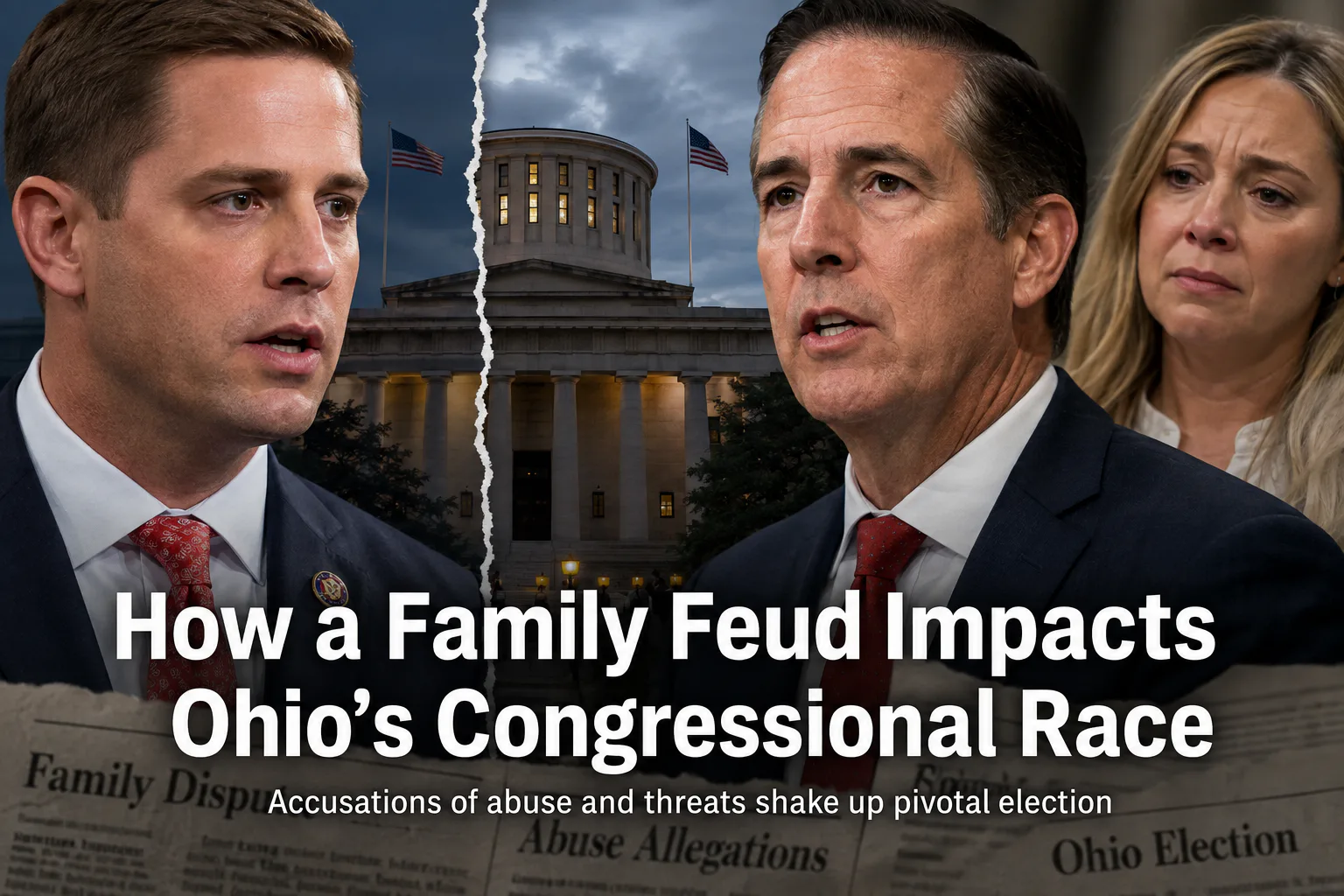
The escalating personal conflict between Republican Representative Max Miller and his former father-in-law, Republican Senator Bernie Moreno, has injected a complex family dispute into Ohio's closely watched congressional election. The allegations, which include accusations of abuse and threats, have been amplified by Miller's ex-wife, casting a shadow over his political career and potentially impacting voter perceptions in the district.
This public airing of private grievances raises questions about the intersection of personal relationships and political accountability, particularly when family members become key figures in public accusations. The situation highlights how deeply personal matters can spill into the public arena and influence electoral outcomes, especially in races where margins are narrow and voter attention is high.
The Background: A Political and Personal Intersection
Representative Max Miller, a Republican serving Ohio's 7th congressional district, is facing accusations that have been publicly detailed by his former father-in-law, Senator Bernie Moreno, and his ex-wife. The dispute centers on allegations of abuse and threats, which Miller denies. The timing of these accusations, emerging as a significant factor in the lead-up to the election, has drawn national attention. Miller's ex-wife, in particular, has reportedly made statements to the press detailing alleged incidents, which have been reported by outlets such as The Washington Post and The New York Times. Senator Moreno, a fellow Republican, has publicly denounced Miller, further intensifying the conflict. This internal party strife and the personal nature of the accusations create a unique dynamic for the district's voters, forcing them to consider Miller's character and fitness for office amidst a highly publicized family drama.
The Mechanism: How Accusations Influence Elections
When serious allegations, particularly those involving abuse or threats, surface against a political candidate, they can significantly influence public perception and electoral outcomes. These accusations, especially when corroborated by close family members or detailed in media reports, can erode a candidate's credibility and trustworthiness. Voters often weigh character and integrity heavily when making their decisions. The public nature of this dispute, involving prominent political figures like Miller and Moreno, ensures widespread media coverage, making it difficult for the candidate to control the narrative. Miller's strategy to push back and deny the allegations, as reported by Fox News, aims to mitigate damage, but the sheer volume and personal nature of the claims present a formidable challenge. The Democratic Party, as noted by ABC News, may see this as an opportunity to flip the seat, capitalizing on the controversy to sway undecided voters or energize their base.
Who is Affected and How, Concretely
The primary individuals directly affected are Representative Max Miller, his ex-wife, and Senator Bernie Moreno. For Miller, the accusations pose a direct threat to his re-election prospects and his political reputation. He must navigate not only the political campaign but also the intense personal scrutiny and the need to counter damaging claims. His ex-wife's involvement means she is also thrust into the public eye, potentially facing pressure and unwanted attention. Senator Moreno, by publicly denouncing his former son-in-law, aligns himself with a particular side of the dispute, which could have implications for his own political standing and relationships within the Republican party. For the voters in Ohio's 7th congressional district, the situation forces a difficult choice. They must decide whether the allegations are credible and how much weight to give them in their voting decision, potentially impacting the representation they receive. The broader impact extends to the Republican Party, as internal divisions and scandals can weaken its electoral performance.
What Happens Next, and What Would Have to Be True
Several potential outcomes exist for this situation. If Miller successfully refutes the allegations or if public interest wanes, he may be able to overcome the controversy and win re-election. This would likely require a strong campaign focusing on policy and his legislative record, coupled with effective counter-messaging against the accusations. Alternatively, if the allegations gain further traction or if new evidence emerges, Miller's chances of winning could diminish significantly. This outcome would be more likely if key swing voters in the district are swayed by the accusations. A third possibility is that the controversy leads to a significant shift in voter turnout, with either supporters or opponents of Miller being more motivated to vote. For the Democrats to flip the seat, a sustained focus on the scandal by the media and the Democratic campaign, combined with a perceived weakness in Miller's defense, would likely be necessary. The long-term impact on Miller's career and the political landscape in Ohio will depend on how these accusations are ultimately perceived by the electorate and whether they lead to any legal or formal investigations.
Share this article
Send the story to readers on social or messengers.
Comments
Loading comments…

Godfrey Benjamin
Godfrey Benjamin is an experienced crypto journalist whose main goal is to educate everyone around him about the prospects of Web 3.0. His love for crypto was birthed when, as a former banker, he discovered the obvious advantages of decentralized money over traditional payments. With his vast experience covering various aspects of Web3, Godfrey's articles has been featured on Blockchain.news, Cryptonews and Coingape, among others.
https://www.thecoinrepublic.com/