Why is Canada matching US tariffs dollar for dollar?
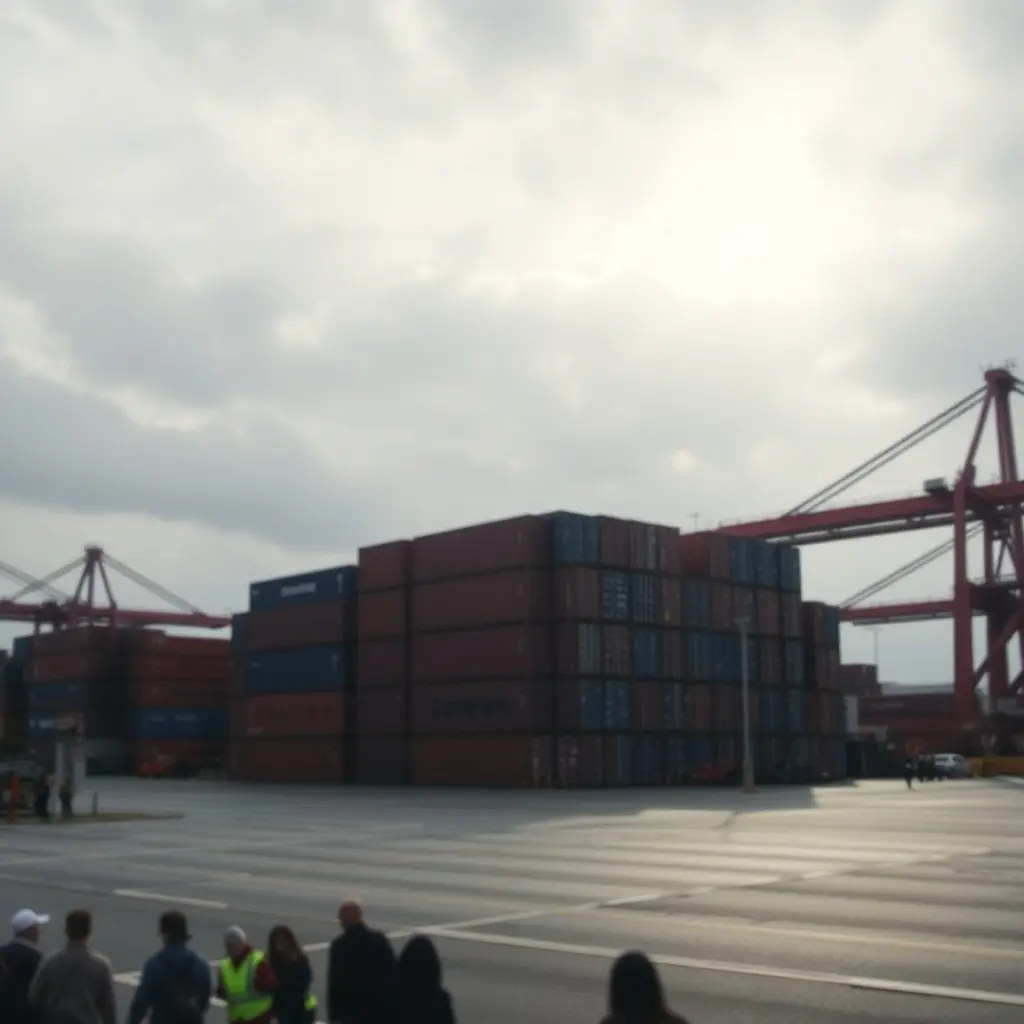
Canada has announced it will impose reciprocal tariffs on US goods "dollar for dollar" in response to new US levies on Canadian products. This move escalates a trade dispute that has seen negotiations break down between the two North American neighbours. The tit-for-tat tariffs, which came into effect on Saturday, August 22, 2026, signal a significant deterioration in trade relations that have been strained since early 2025.
Prime Minister Mark Carney stated that the suspension of trade talks was due to "last-minute changes in the US proposed terms" which he deemed "unfair, uneconomic, and called into question the reliability of any deal." The US Trade Representative, Jamieson Greer, countered that Canada had "declined to finalize the trade deal under the terms agreed earlier this week" and had introduced "new demands and walk backs of other commitments." This breakdown marks a sharp reversal from earlier optimism that a deal was imminent.
The Background: A Year of Trade Friction
Tensions between Canada and the United States have been building since early 2025, when President Donald Trump initiated a broad programme of tariffs on global goods. This policy has disrupted decades of generally free trade between the two countries. Negotiations for a new trade agreement, aimed at reducing or eliminating these tariffs, have been ongoing in fits and starts for over a year. The US has sought concessions from Canada, including the removal of retaliatory tariffs on American automobiles and increased access for US cheese producers. Canada, in turn, has been pushing for the US to drop or reduce tariffs on key Canadian exports like steel, aluminium, automobiles, and lumber.
The Mechanism: How Tariffs and Retaliation Work
When the US announced its new tariffs, they were imposed under the Tariff Act of 1930, a piece of legislation from the Great Depression era. These tariffs, which can reach up to 50%, are applied to a range of Canadian goods, including wine, dairy, cement, clothing, and hockey equipment. These are in addition to existing US tariffs on Canadian steel, aluminium, autos, and lumber. In response, Canadian Prime Minister Mark Carney has declared that Canada will match these US tariffs "dollar for dollar." This means that for every dollar's worth of Canadian goods facing US tariffs, Canada will impose an equivalent tariff on US goods entering Canada. This retaliatory measure aims to exert economic pressure on the US by making American products more expensive for Canadian consumers and businesses, thereby encouraging a return to negotiations.
Who is Affected and How
Businesses and consumers on both sides of the border are likely to feel the impact of these escalating tariffs. The US Chamber of Commerce warned that higher tariffs could harm both economies, increase costs for American families, disrupt supply chains, and jeopardize the estimated 13 million American jobs dependent on trade under the US-Mexico-Canada Trade Agreement. Canadian businesses exporting goods subject to US tariffs face reduced competitiveness and potential losses. For Canadian consumers, the cost of US goods will rise, while for US consumers, the cost of Canadian goods will also increase. Specific sectors like agriculture (dairy), manufacturing (automobiles, steel, aluminium), and consumer goods (wine, clothing) will be directly impacted. The Canadian province of Ontario's premier, Doug Ford, has publicly supported a "tariff for tariff" response, indicating potential political ramifications within Canada as well.
What Happens Next
The immediate future points to continued economic uncertainty and potential further escalation. Canada's "dollar for dollar" response signals a firm stance, and the US Trade Representative has stated the US is "not going to tolerate" counter-tariffs. This could lead to further rounds of retaliatory measures, increasing the economic damage. For a resolution, either the US must withdraw its new tariffs and revert to previous terms, or Canada must accept the US's latest demands, or both sides must return to the negotiating table with a willingness to compromise. Public opinion in Canada appears divided, with a recent Abacus Data poll showing 36% supporting retaliation and 30% favouring continued negotiation, suggesting the government faces a complex political landscape. The success of any future negotiations will likely depend on a shift in the US administration's approach to trade and a willingness from both sides to find a mutually acceptable balance, potentially within the framework of the existing US-Mexico-Canada Trade Agreement.
Share this article
Send the story to readers on social or messengers.
Comments
Loading comments…

New Times Reporter
Editorial coverage from New Times Reporter.