How did an explosive drone shut down Leipzig Airport?
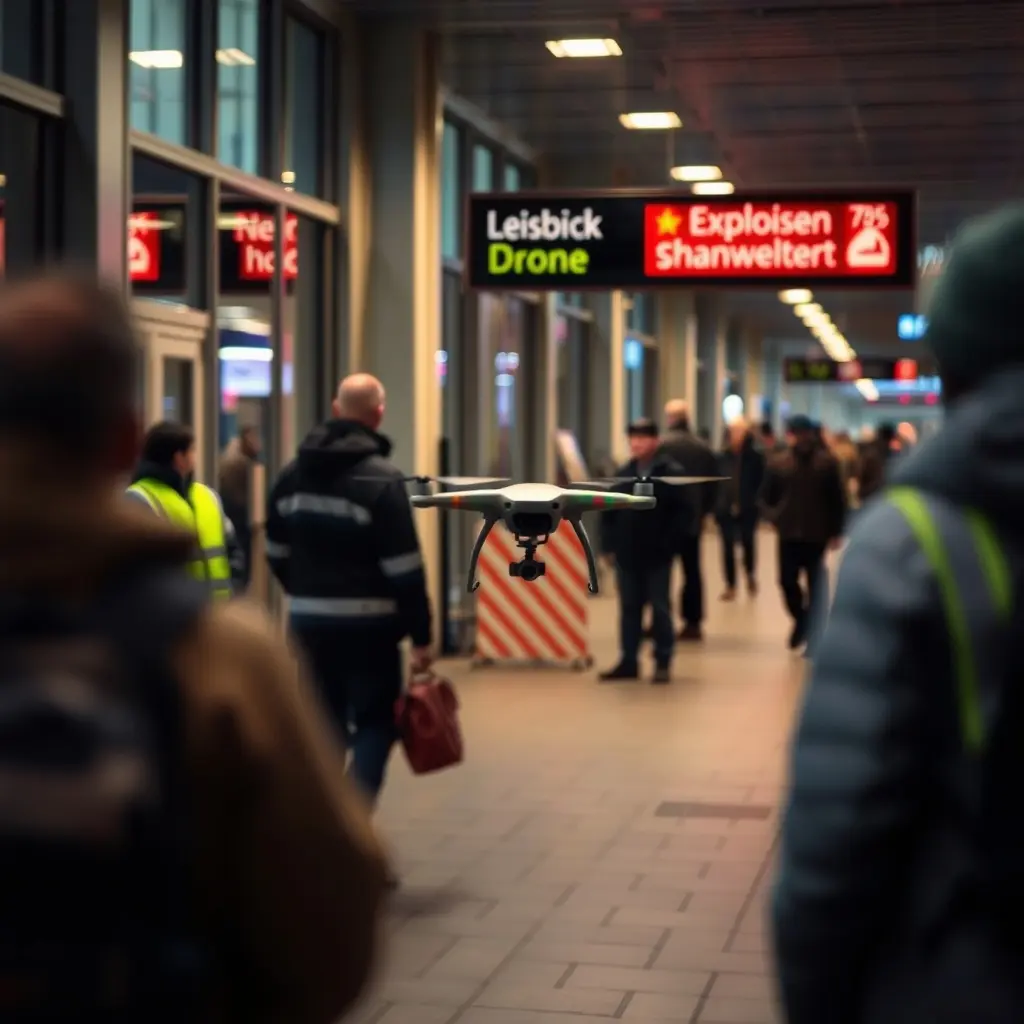
The discovery of an explosive-laden drone at Leipzig/Halle Airport on August 5, 2026, led to a temporary shutdown of operations, disrupting flights and raising security concerns. The incident involved a drone found on the airport grounds, prompting immediate security measures and a halt to air traffic. The device was reportedly discovered near a runway, necessitating a thorough investigation and clearance by authorities.
This event highlights a concerning trend of drones being used for malicious purposes, moving beyond simple surveillance or nuisance activities. The presence of an explosive device signifies a deliberate attempt to cause harm or disruption, representing a significant escalation in the potential threat posed by unmanned aerial systems.
The Background: Drones and Airport Security
Airports worldwide have been grappling with the increasing challenge of drone incursions for years. Since the first major airport closure due to a drone in 2018 at London Gatwick, incidents have become more frequent and sophisticated. These unmanned aerial vehicles (UAVs) can pose a serious risk to aviation safety by potentially colliding with aircraft, interfering with air traffic control systems, or even carrying dangerous payloads.
Leipzig/Halle Airport, a significant cargo hub and also used by Ukrainian carriers for flights, is particularly sensitive due to its role in international logistics and its potential use in sensitive geopolitical contexts. The airport's security protocols are designed to detect and mitigate threats, but the stealthy nature and increasing capabilities of drones present a persistent challenge. The specific type of drone and its origin are under investigation, but its discovery underscores the evolving tactics of those seeking to exploit vulnerabilities in aviation security.
The Mechanism: How the Airport Shutdown Worked
Upon the discovery of the drone on August 5, 2026, airport security personnel initiated immediate lockdown procedures. The primary response involved:
- Securing the Area: The immediate vicinity where the drone was found was cordoned off to prevent any unauthorized access and to preserve evidence.
- Grounding All Aircraft: All flights in the air and on the ground were halted. Aircraft scheduled for departure were held on the tarmac, and incoming flights were either diverted to alternative airports or instructed to circle.
- Evacuating and Securing Terminals: Passengers and staff in affected areas of the terminal buildings were moved to secure locations.
- Disabling and Investigating the Drone: Specialized units, likely including bomb disposal experts, were deployed to safely disable and then examine the drone and its payload. The explosive nature of the device required extreme caution.
- Airspace Clearance: Once the device was secured and the immediate threat neutralized, authorities conducted a thorough sweep of the airspace and airport grounds to ensure no other devices or threats were present.
- Resumption of Operations: After a period of investigation and clearance, which can last several hours, normal operations were gradually resumed. The duration of the shutdown depends on the complexity of the investigation and the nature of the discovered device.
The airport's operational status was monitored closely by aviation authorities, including EUROCONTROL, to manage the cascading effects on air traffic across Europe.
Who is Affected and How
The shutdown at Leipzig/Halle Airport directly impacted thousands of passengers, leading to flight cancellations, delays, and diversions. Travelers faced significant disruption to their plans, with many stranded or forced to make alternative arrangements. This included:
- Leisure Travelers: Individuals on holiday or visiting family experienced extended waits, missed connections, and potential financial losses due to rebooking or accommodation needs.
- Business Travelers: Professionals relying on timely travel for meetings, conferences, or business operations faced disruptions that could have economic consequences.
- Cargo Operations: As a major European cargo hub, the airport's closure significantly impacted the supply chain. Goods, including time-sensitive shipments like pharmaceuticals and perishables, faced delays, potentially leading to increased costs and shortages.
- Airlines: Carriers operating out of Leipzig, including those serving Ukrainian destinations, incurred substantial costs due to flight cancellations, diversions, and the logistical challenges of rescheduling.
- Airport Staff: Employees at the airport faced disruptions to their work schedules and potential safety concerns.
The broader economic impact extends to businesses that rely on the timely delivery of goods through Leipzig, potentially affecting consumer prices if disruptions are prolonged.
What Happens Next
The investigation into the explosive drone at Leipzig/Halle Airport will focus on identifying the source, the intended target, and the perpetrators. Authorities will analyze the drone's components, flight path data, and any recovered evidence to piece together the events leading up to its discovery. This could involve international cooperation, particularly if the drone or its components suggest a foreign origin or connection to known extremist groups or state actors.
Several outcomes are possible:
- Successful Identification and Apprehension: If investigators can definitively identify the individuals or groups responsible, it could lead to arrests and prosecution. This would provide a sense of closure and deter future attacks. Success here depends on the quality of evidence recovered and international intelligence sharing.
- Unresolved Investigation: It is possible that the investigation may not yield conclusive results, leaving the perpetrators unidentified. This scenario could embolden similar groups and necessitate a sustained increase in security measures at airports across Europe.
- Policy and Security Changes: Regardless of the investigation's outcome, the incident will likely trigger a review and enhancement of airport security protocols, particularly concerning drone detection and countermeasures. This could involve increased investment in advanced surveillance technology, stricter regulations on drone usage near airports, and enhanced collaboration between civilian and military security agencies. The effectiveness of these changes will depend on their implementation and the adaptability of security forces to new threats.
The incident serves as a stark reminder of the evolving nature of security threats and the constant need for vigilance and adaptation in critical infrastructure protection.
Share this article
Send the story to readers on social or messengers.
Comments
Loading comments…

New Times Reporter
Editorial coverage from New Times Reporter.