How did Mars's Jezero Crater hold groundwater, lakes, and hot fluids?
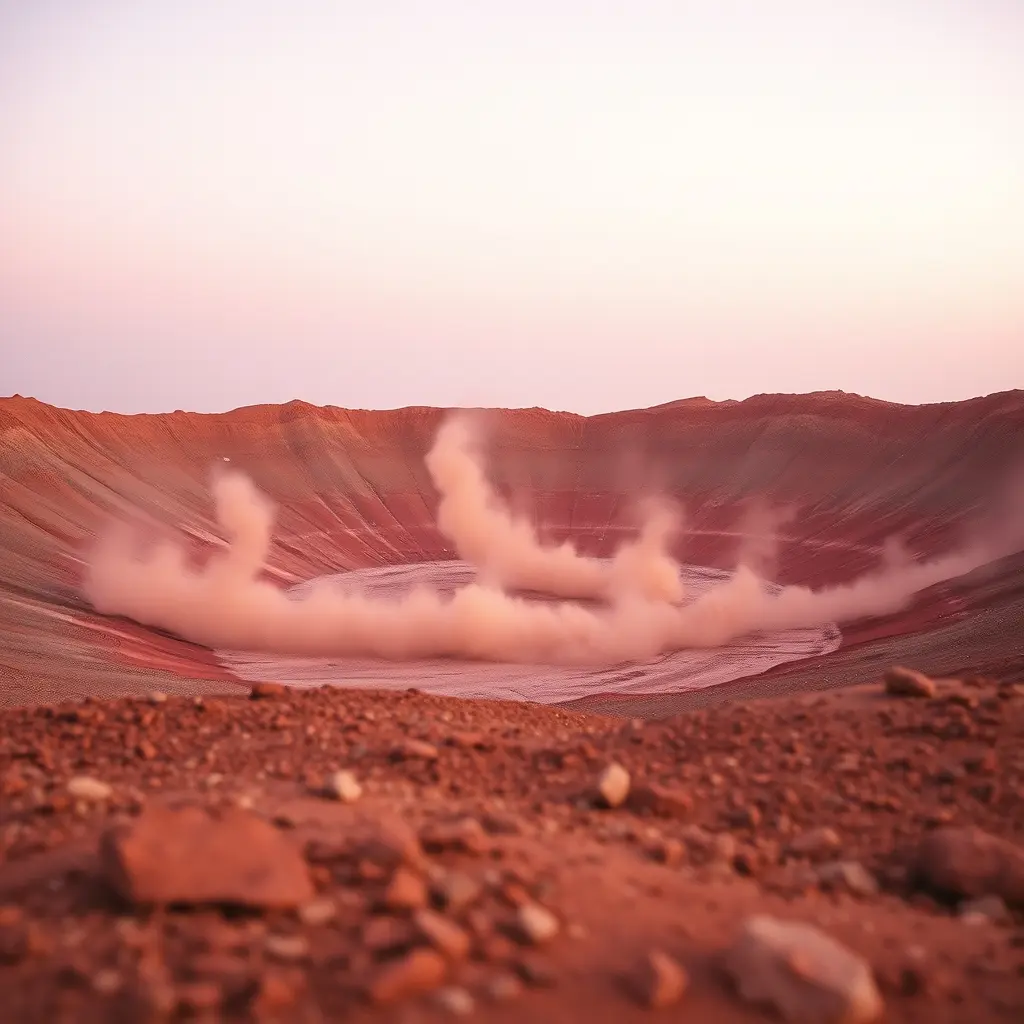
NASA's Perseverance rover has detected evidence of a complex and dynamic watery past within Mars's Jezero Crater, suggesting it once hosted not only lakes but also active groundwater systems and hydrothermal fluids. These findings, gathered by the rover's instruments since its landing in February 2021, paint a picture of an early Mars far more geologically active and potentially habitable than previously understood.
The presence of these diverse water environments in a single location challenges earlier models that envisioned more static or separate water features. Instead, the data points to a period where volcanic activity or other internal heat sources interacted with surface water, creating hot springs and circulating groundwater. This combination of water and heat is considered a key ingredient for life as we know it, making Jezero Crater a prime target in the search for ancient Martian life.
The Background: Searching for Water on Mars
For decades, the search for water on Mars has been a central theme in planetary science, driven by the understanding that liquid water is essential for life. Early missions provided compelling evidence of past water activity, such as ancient riverbeds, lakebeds, and minerals that form in the presence of water. NASA's Curiosity rover, exploring Gale Crater, found evidence of a long-standing freshwater lake. However, the specific interplay of different water types and geological heat sources in a single, concentrated area like Jezero Crater has remained a key question.
Jezero Crater was chosen as Perseverance's landing site precisely because orbital imagery indicated it was once a lake, complete with an inflowing river delta. This delta is a prime location for preserving signs of past microbial life, if it ever existed. The rover's mission is to investigate the crater's geology and climate history, collect rock and soil samples for potential return to Earth, and search for biosignatures. The recent findings add a crucial layer of complexity to this picture, indicating a more dynamic and potentially habitable environment than a simple lake.
The Mechanism: How Perseverance Found These Water Systems
The Perseverance rover utilizes a suite of sophisticated scientific instruments to analyze the Martian environment. Its SHERLOC (Scanning Habitable Environments with Raman & Luminescence for Organics & Chemicals) instrument, for example, can detect organic molecules and mineralogical evidence of past water. The PIXL (Planetary Instrument for X-ray Lithochemistry) instrument analyzes the elemental composition of rocks, helping to identify minerals formed in water.
By combining data from these and other instruments, scientists can reconstruct the geological history of Jezero Crater. The detection of specific mineral assemblages and textures within the crater walls and floor indicates periods of both standing water (lakes) and circulating groundwater. Furthermore, evidence of hydrothermal alteration – where hot fluids interact with rocks – suggests that internal heat sources were active. This could have been due to volcanic activity, impact events, or radioactive decay within the planet's crust.
The rover's ability to conduct detailed, close-up analyses of rock formations, coupled with its mobility, allows for the mapping of these different water environments and their temporal evolution. The specific rock layers examined by Perseverance show distinct signatures of these varied aqueous processes occurring in close proximity.
Who is Affected and How, Concretely
These discoveries directly impact the scientific community, particularly astrobiologists and planetary geologists. For scientists, it refines our understanding of early Mars's habitability and provides more targeted locations for future investigations. It means the search for life can focus on areas where water and energy sources were most likely to coexist.
For the public, these findings fuel the ongoing fascination with Mars and the possibility of extraterrestrial life. It reinforces the idea that Mars was once a much more Earth-like planet, capable of supporting life. This could influence public support for future space exploration missions and inspire a new generation of scientists and engineers. The samples Perseverance is collecting, if returned to Earth, could provide definitive answers about Martian life, with profound implications for our place in the universe.
What Happens Next, and What Would Have to Be True
The next steps involve continued analysis of the data collected by Perseverance and further exploration of Jezero Crater. The rover will continue to traverse the crater floor and delta, seeking out rock formations that offer the best chance of preserving biosignatures. A key objective is the collection of carefully selected rock and soil samples, which are being cached for a future Mars Sample Return mission, a joint effort between NASA and the European Space Agency (ESA).
For the Mars Sample Return mission to be successful, several things would have to be true. First, a future lander would need to successfully reach Jezero Crater, collect the cached samples, and launch them from the Martian surface into orbit. Second, an orbiter would need to capture the sample container and transport it back to Earth. This complex, multi-stage mission is currently in the planning phases, with significant technological and financial hurdles to overcome. If successful, the returned samples would undergo detailed analysis in state-of-the-art laboratories on Earth, potentially providing conclusive evidence of past Martian life.
Share this article
Send the story to readers on social or messengers.
Comments
Loading comments…

New Times Reporter
Editorial coverage from New Times Reporter.