How do lifeguards save drowning victims?
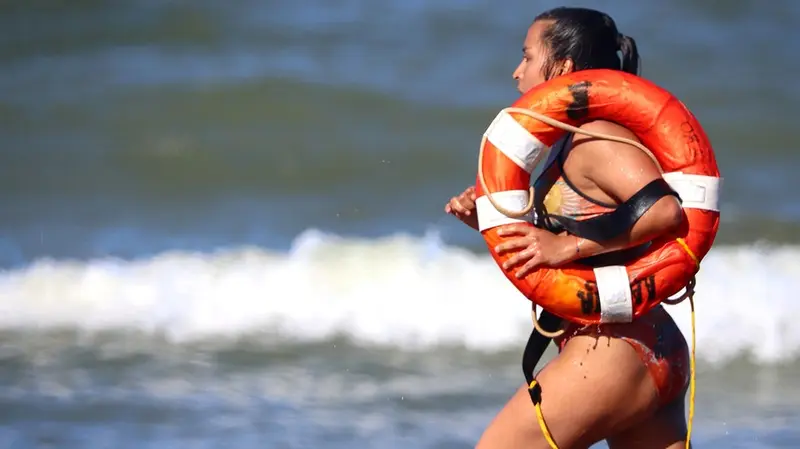
On July 30, a 5-year-old boy was pulled unconscious from the ocean at Silver Beach in Volusia County, Florida. Lifeguards Dempsey Manhart and Mackenzie Malone responded immediately, with Malone checking for a pulse and initiating CPR alongside Manhart. The boy was ultimately saved, a testament to the rigorous training and swift action of the lifeguards.
This incident highlights the critical role lifeguards play in beach safety, especially during periods of challenging ocean conditions like strong waves and powerful tides. Their ability to quickly assess a situation, administer emergency medical care, and coordinate rescues can mean the difference between life and death for beachgoers. The lifeguards involved emphasized the importance of their preparedness and training, noting that they are always ready for any scenario.
The Background: Beach Safety and Ocean Dangers
Volusia County, located in east-central Florida, is a popular destination for beachgoers. However, like many coastal areas, it is susceptible to dangerous ocean conditions. Strong currents, rip tides, and unexpected wave patterns can pose significant risks to swimmers, particularly young children who may be less aware of or able to cope with these hazards. The incident involving the 5-year-old boy occurred during a summer marked by challenging surf conditions, which have led to numerous rescues in coastal areas nationwide. For instance, Los Angeles County lifeguards performed nearly 2,000 rescues in a single summer weekend due to elevated surf and dangerous rip currents.
The Mechanism: Lifeguard Response Protocol
When a distressed swimmer is spotted or alerted to, lifeguards follow a structured protocol. In this case, Lifeguard Dempsey Manhart was flagged down by the child's family. He immediately moved to assist the unconscious boy, bringing him closer to shore. Simultaneously, his colleague, Lifeguard Mackenzie Malone, arrived. Malone's first action was to check for a pulse. Upon finding none, both lifeguards initiated Cardiopulmonary Resuscitation (CPR). CPR involves chest compressions and rescue breaths to maintain blood flow and oxygenation to the brain and vital organs until professional medical help arrives or the person begins breathing independently. The effectiveness of CPR and the speed of its administration are crucial factors in survival rates for drowning victims.
Who Is Affected and How
This incident directly affects the 5-year-old boy and his family, who experienced a terrifying brush with tragedy and are now beneficiaries of a life-saving intervention. For the lifeguards, Dempsey Manhart and Mackenzie Malone, it represents a successful application of their training and a significant event in their careers. Malone noted it was her first time saving a child from drowning. The broader community of beachgoers in Volusia County and beyond is affected by the reminder of the ocean's inherent dangers and the importance of vigilant supervision and professional lifeguard services. For parents and guardians, it underscores the need to remain attentive to children near water and to choose beaches with active lifeguard patrols. The lifeguards themselves hope the rescue serves as a reminder for beach visitors to swim near staffed lifeguard towers.
What Happens Next
Following the successful rescue and resuscitation, the 5-year-old boy would have received further medical evaluation and care at a hospital to ensure his full recovery. The lifeguards involved will likely undergo debriefing and potentially further training, reinforcing their skills and preparedness. For Volusia County and other beach destinations, this event reinforces the ongoing need for robust lifeguard services, public awareness campaigns about water safety, and investment in lifeguard training and equipment. The incident serves as a case study for lifeguarding agencies, highlighting the effectiveness of their protocols and the dedication of their personnel. The long-term outcome for the child depends on the extent of oxygen deprivation to the brain during the period he was unconscious, but the immediate intervention significantly improved his chances of a positive recovery. Beach safety organizations will continue to advocate for swimmers to heed warnings about ocean conditions and to swim in designated areas patrolled by lifeguards.
Share this article
Send the story to readers on social or messengers.
Comments
Loading comments…

New Times Reporter
Editorial coverage from New Times Reporter.