How does the Bundibugyo Ebola strain spread?
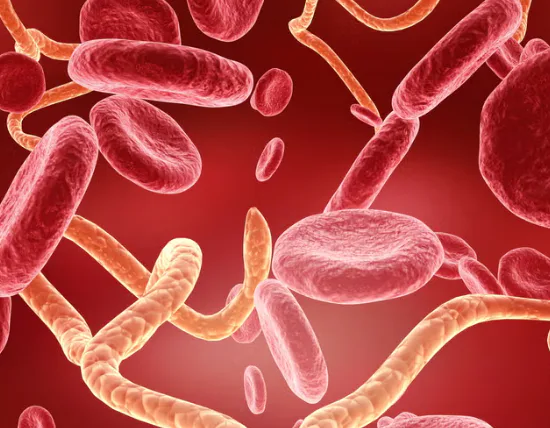
The Democratic Republic of Congo's current Ebola outbreak, caused by the Bundibugyo virus strain, has surpassed 1,500 deaths, making it the fastest-growing in the history of the virus and the second-largest outbreak globally. This designation by the World Health Organization (WHO) highlights the severity and rapid spread of the epidemic, raising critical questions about how this particular strain of Ebola operates and why it has proven so difficult to contain.
The Bundibugyo virus, first identified in 2007 in Uganda, is one of several strains of the Ebola virus. While all Ebola virus disease (EVD) strains are characterized by hemorrhagic fever, they differ in their virulence, transmissibility, and case fatality rates. The Bundibugyo strain has historically shown a significant case fatality rate, though data from the current outbreak suggests it may be lower than some other strains, but its rapid spread is a major concern.
The Background: A History of Ebola in the DRC
Ebola virus disease has been a recurring threat in the Democratic Republic of Congo (DRC) for decades. The first-ever recorded Ebola outbreak occurred in 1976 in Yambuku, DRC, near the Ebola River, which gave the virus its name. Since then, the DRC has experienced numerous outbreaks, often linked to contact with wildlife, particularly fruit bats, which are considered natural reservoirs for the virus. These outbreaks have varied in size and severity, with some being relatively contained and others escalating into major public health crises.
The Bundibugyo strain, specifically, emerged in 2007 in the Bundibugyo district of Uganda, across the border from the DRC. This outbreak infected 149 people and caused 37 deaths. Its re-emergence and rapid spread in the DRC represent a significant challenge, as it demonstrates the virus's ability to persist and resurface, potentially adapting to new environments or transmission patterns. The current outbreak's scale and speed have prompted international concern and a robust response from global health organizations.
The Mechanism: How Bundibugyo Ebola Spreads
The Bundibugyo Ebola strain, like other Ebola viruses, is transmitted to humans through direct contact with the blood, secretions, organs, or other bodily fluids of infected animals. In the DRC, this often involves contact with bats or non-human primates. Once a human is infected, the virus can spread from person to person through direct contact with:
- Blood
- Vomit
- Diarrhea
- Saliva
- Semen
- Vaginal secretions
Infected individuals are not contagious until they begin to show symptoms. However, once symptoms appear, the virus can be transmitted through contact with bodily fluids, even if the person is not yet severely ill. Transmission can occur through broken skin or mucous membranes (eyes, nose, mouth).
Key factors contributing to the rapid spread in this outbreak include:
- Community burial practices: Traditional funeral rites that involve washing and touching the body of the deceased can facilitate transmission.
- Close contact with sick individuals: Caring for sick family members or community members without adequate protective measures.
- Contaminated environments: Contact with surfaces or materials contaminated with bodily fluids, such as bedding or clothing.
- Mobility: Movement of infected individuals within and between communities, sometimes before symptoms are recognized.
The virus incubation period ranges from 2 to 21 days, meaning individuals can travel or interact with others for up to three weeks before showing symptoms, potentially spreading the virus unknowingly.
Who is Affected and How, Concretely
The primary individuals affected are residents of the Democratic Republic of Congo, particularly in the eastern regions where the outbreak is most concentrated. This includes:
- Local communities: Residents in affected villages and towns face direct risk of infection. Fear and stigma can lead to social isolation for those affected or suspected of being infected.
- Healthcare workers: Medical professionals are at high risk due to direct contact with patients and their bodily fluids. Numerous healthcare workers have been among the infected and deceased in past and current outbreaks.
- Families and caregivers: Individuals who care for sick relatives or friends are highly vulnerable.
- Travelers: People traveling into or out of affected areas risk contracting the virus and spreading it to new locations.
- Economies: Local economies suffer from reduced trade, disrupted agricultural activities, and the diversion of resources to disease control. The fear of contagion can also deter tourism and investment.
- Children: Children are particularly vulnerable, both to the disease itself and to the loss of parents or caregivers, leading to a rise in orphaned children.
The impact extends beyond the immediate health consequences. Survivors may experience long-term health issues, including vision problems and joint pain. The psychological toll on individuals, families, and communities grappling with loss and fear is profound.
What Happens Next, and What Would Have to Be True for Each Outcome
Outcome 1: Containment and eventual eradication of the outbreak.
This outcome depends on several critical factors:
- Continued and enhanced public health measures: This includes robust contact tracing, isolation of infected individuals, safe and dignified burials, and widespread public awareness campaigns about prevention. The effectiveness of these measures relies on community trust and participation.
- Vaccine deployment and uptake: The availability and effective distribution of Ebola vaccines, such as the rVSV-ZEBOV vaccine, are crucial. High vaccination rates in affected and at-risk populations are necessary to build herd immunity and prevent further spread.
- Adequate funding and resources: Sustained international and national financial support is required for personnel, equipment, medical supplies, and logistical support for response teams.
- Political stability and security: Instability and conflict in certain regions of the DRC can hinder response efforts, making it difficult to access affected populations and implement control measures.
Outcome 2: The outbreak becomes endemic or continues to smolder.
This scenario could occur if:
- Response efforts are insufficient or inconsistent: Lapses in funding, personnel shortages, or a decrease in public vigilance could allow the virus to persist.
- New transmission chains emerge faster than they can be traced and broken: If the virus spreads to remote areas or into dense urban populations where tracing is difficult.
- Challenges in accessing affected populations: Ongoing insecurity or logistical hurdles prevent health workers from reaching all those who need care or vaccination.
- Viral evolution or adaptation: While less common with Ebola, any significant change in the virus's transmissibility or virulence could complicate control efforts.
Outcome 3: The outbreak spreads significantly to neighboring countries.
This is a serious concern given the porous borders in the region. It would likely happen if:
- Border control measures are inadequate: Insufficient screening and monitoring at entry points.
- Infected individuals travel undetected: People crossing borders before they are symptomatic or before their infection is known.
- Weak public health infrastructure in neighboring countries: Limited capacity to detect, report, and respond to cases, allowing for local transmission to take root.
Continued vigilance, international cooperation, and robust, adaptable response strategies are paramount to preventing these less favorable outcomes and ultimately bringing the current devastating outbreak to an end.
Share this article
Send the story to readers on social or messengers.
Comments
Loading comments…

New Times Reporter Staff
Compiled and edited by the New Times Reporter newsroom from wire and publisher reporting, with the original source credited on every story.