How Iran and Oman could reopen the Strait of Hormuz
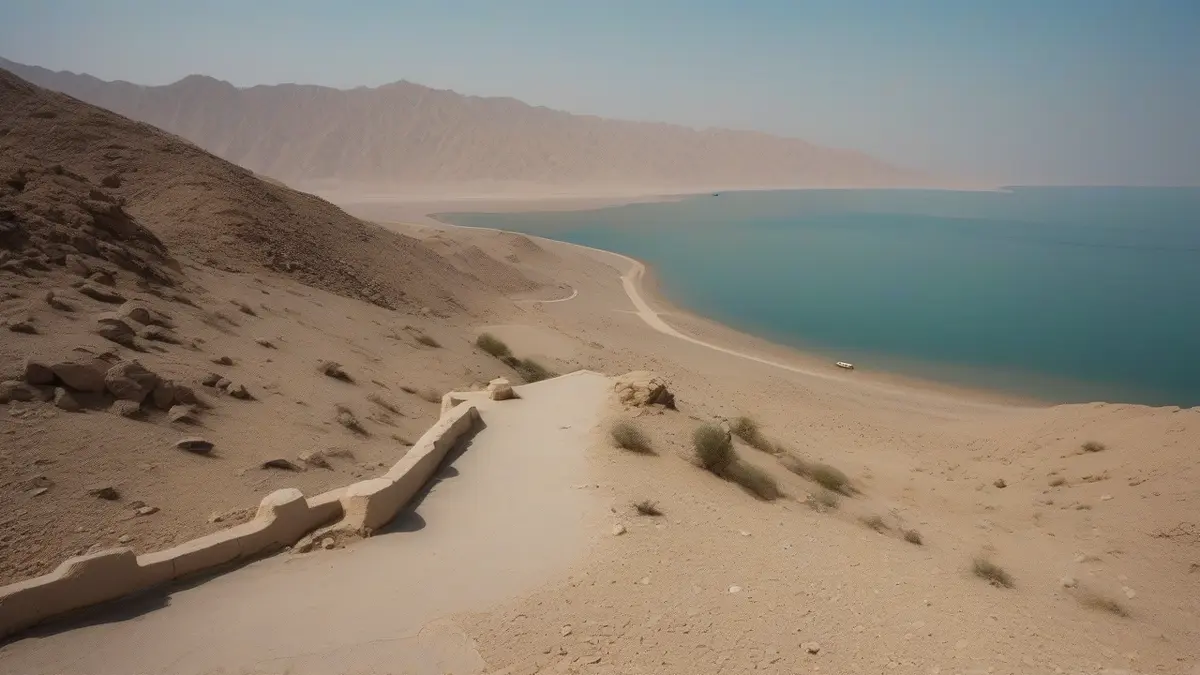
A potential agreement between Iran and Oman could see the Strait of Hormuz reopened to international shipping, a crucial waterway that has faced increased tensions and disruptions. This initiative aims to de-escalate regional conflicts and ensure the flow of global trade through the Persian Gulf. The specifics of the plan, which are still under discussion, reportedly involve Iran gaining significant oversight of maritime traffic within the strait.
This proposed reopening comes after a period of heightened geopolitical friction in the region, particularly concerning Iran's nuclear program and its influence over regional waterways. The Strait of Hormuz, a narrow passage between Iran and Oman, is vital for global energy supplies, with approximately 30 percent of the world's seaborne oil trade passing through it annually. Any disruption here has immediate and far-reaching economic consequences worldwide.
The Background: A Contested Waterway
The Strait of Hormuz has long been a focal point of geopolitical strategy due to its critical location. Since the 1970s, Iran has asserted its influence over the waterway, viewing it as a strategic asset. Tensions have flared periodically, particularly during the Iran-Iraq War when both sides targeted shipping. More recently, incidents involving oil tankers, drone seizures, and naval standoffs have underscored the fragility of passage through the strait.
The United States and its allies have historically maintained a naval presence to ensure freedom of navigation, a stance often challenged by Iran, which has at times threatened to close the strait in response to international pressure or sanctions. The current discussions between Iran and Oman represent a potential shift, moving towards a negotiated settlement rather than a purely military or confrontational approach. This comes in the context of broader regional diplomacy, including efforts to revive the Iran nuclear deal and normalize relations between Iran and Saudi Arabia.
The Mechanism: Iran's Proposed Oversight
The core of the emerging plan, as reported, centers on Iran assuming a greater role in managing traffic through the Strait of Hormuz. While details remain fluid, the proposal suggests Iran would have inbound control, meaning it would monitor and potentially regulate vessels entering the strait from the Persian Gulf. Concurrently, it would also have outbound oversight, likely managing or monitoring ships as they exit towards the Arabian Sea.
This arrangement would represent a significant shift from the current status quo, where international naval forces, particularly those of the U.S. Fifth Fleet based in Bahrain, play a key role in ensuring safe passage. Oman, which shares a border with the United Arab Emirates and has a coastline along the Strait, has historically acted as a mediator in regional disputes and possesses the diplomatic standing to facilitate such an agreement. The involvement of Oman provides a neutral ground for negotiations and a potential guarantor of the deal's implementation.
Who is Affected and How, Concretely
If this plan is enacted, the most immediate impact would be on global energy markets. A stable and open Strait of Hormuz, even under Iranian oversight, would likely reassure markets and prevent the price spikes associated with transit fears. Oil prices, which have been volatile due to regional instability, could stabilize, benefiting consumers and economies worldwide. For shipping companies, a clear, negotiated framework could reduce insurance premiums and operational risks.
Iran, by gaining inbound and outbound control, would achieve a significant diplomatic and strategic victory, enhancing its regional influence and potentially easing some of the economic pressure from international sanctions. However, this increased control could also raise concerns among other Gulf states and international powers about potential misuse or selective enforcement. For countries heavily reliant on oil imports through the strait, such as China, India, and Japan, the deal's success would be paramount.
What Happens Next, and What Would Have to Be True
The successful reopening of the Strait of Hormuz hinges on several factors. Firstly, a formal agreement must be reached between Iran and Oman, with the latter likely consulting closely with other regional actors and international powers. Secondly, the specifics of Iran's proposed control mechanisms need to be clearly defined and internationally accepted to avoid ambiguity and potential conflict.
For the deal to hold, Iran would need to demonstrate restraint in its exercise of control, avoiding actions that could be perceived as aggressive or disruptive to legitimate international commerce. The United States and its allies would need to assess whether Iran's proposed oversight aligns with their interests in freedom of navigation and global trade security. If these conditions are met, the strait could see a return to more predictable shipping patterns. However, if negotiations falter, or if Iran's control is perceived as overly restrictive, tensions could re-escalate, potentially leading to further disruptions and a renewed focus on military deterrence.
Share this article
Send the story to readers on social or messengers.
Comments
Loading comments…

New Times Reporter
Editorial coverage from New Times Reporter.