Spain Deploys Military as Migrant Surge Overwhelms Ceuta
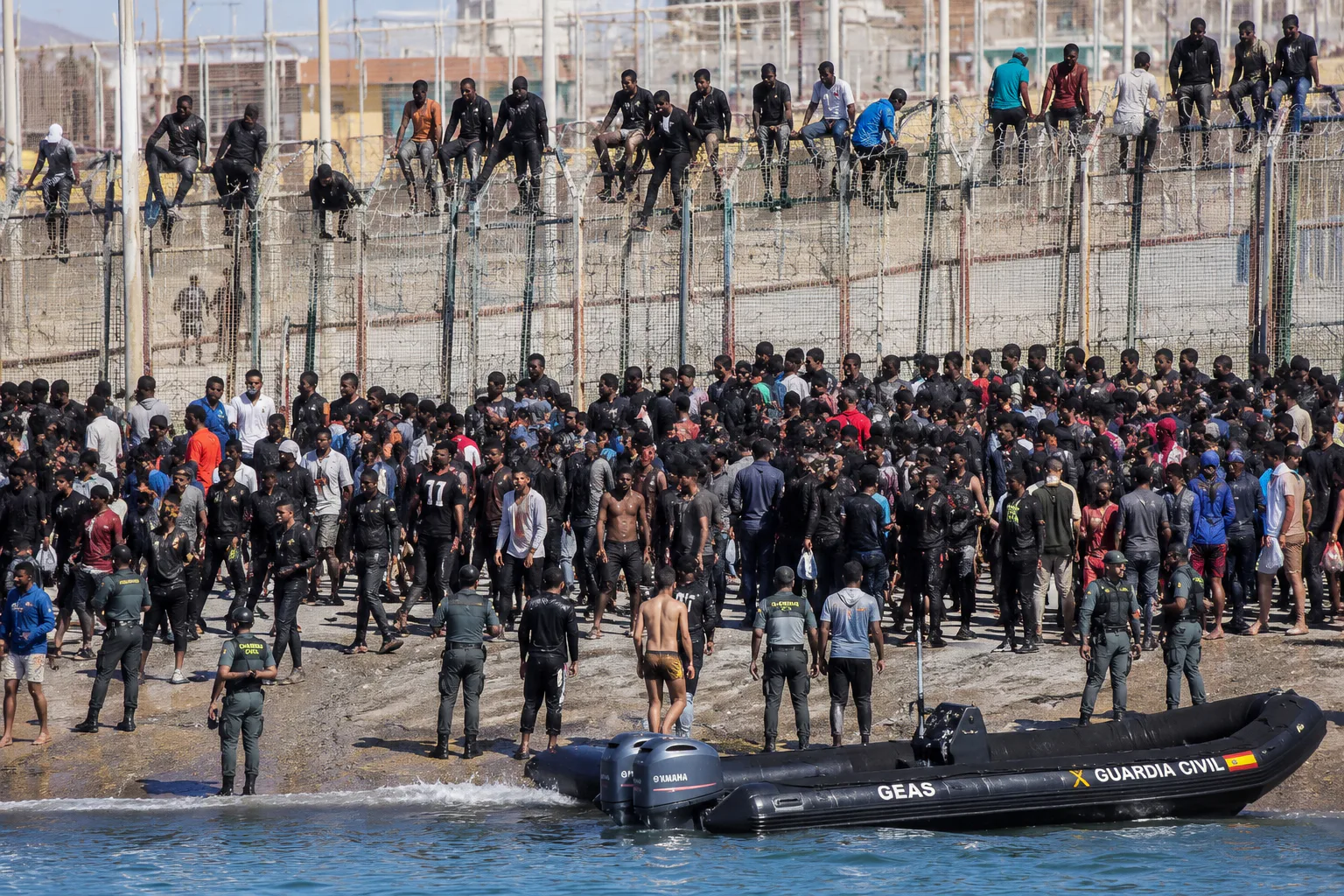
Spanish Prime Minister Pedro Sánchez has rushed to the North African enclave of Ceuta following an unprecedented surge of thousands of migrants who crossed the border from Morocco. The influx, which saw an estimated 49,000 individuals attempt to enter Spanish territory in a single day, overwhelmed border controls and led to a humanitarian crisis. At least 18 deaths have been reported amid the chaotic breach, highlighting the perilous journey undertaken by those seeking refuge and opportunity in Europe.
The situation escalated rapidly on Friday, May 14, 2021, when an unusually large number of migrants, many of them young men, began swimming or climbing over the border fence into Ceuta. Moroccan authorities, who had previously been accused of lax border control, appeared to have eased their efforts, allowing the surge to occur. Spain responded by deploying military forces and border guards to regain control of the situation and manage the humanitarian fallout.
Ceuta, one of two Spanish enclaves on the northern coast of Africa, is a focal point for migration attempts from sub-Saharan Africa and the Middle East. Its strategic location, bordering Morocco, makes it a common, albeit dangerous, route for those attempting to reach European soil. The sheer volume of arrivals in such a short period strained local resources, prompting urgent calls for international assistance and a coordinated response from both Spain and Morocco.
The Spanish government has initiated deportations of many of the migrants who successfully entered Ceuta. However, the scale of the influx has made processing and managing the arrivals a significant challenge. The incident has reignited debates about immigration policy, border security, and the humanitarian responsibilities of nations in managing large-scale migratory movements.
Morocco, a key partner for Spain in managing migration flows, has faced scrutiny over its role in the events. While the reasons for the apparent shift in border enforcement remain unclear, analysts suggest it could be linked to diplomatic tensions between Morocco and Spain, particularly concerning the disputed territory of Western Sahara. Spain's recognition of Moroccan autonomy over Western Sahara in March 2022 had strained relations with Algeria, a key ally of the Polisario Front independence movement, and potentially influenced Morocco's stance on border control.
International organizations have expressed concern over the humanitarian conditions and the safety of migrants. The United Nations High Commissioner for Refugees (UNHCR) and the International Organization for Migration (IOM) have called for humane treatment and protection for all individuals, emphasizing the need for swift processing of asylum claims and the provision of essential services. The crisis in Ceuta underscores the complex geopolitical factors and human desperation that drive migration across the Mediterranean.
The long-term implications of this event are significant. It has placed renewed pressure on the European Union to address the root causes of migration and to develop more effective and humane border management strategies. The incident also highlights the vulnerability of enclave territories like Ceuta and Melilla to sudden, large-scale migratory pressures, necessitating robust and coordinated responses between Spain, Morocco, and the wider international community.
This event is part of a broader pattern of increased migration attempts towards Europe, driven by conflict, poverty, and climate change in various regions. The response from Spain and the international community will likely shape future approaches to managing such crises, balancing security concerns with humanitarian obligations.
Share this article
Send the story to readers on social or messengers.
Comments
Loading comments…

New Times Reporter Staff
Compiled and edited by the New Times Reporter newsroom from wire and publisher reporting, with the original source credited on every story.