Tens of Thousands Crossed into Ceuta, Many Voluntarily Departed
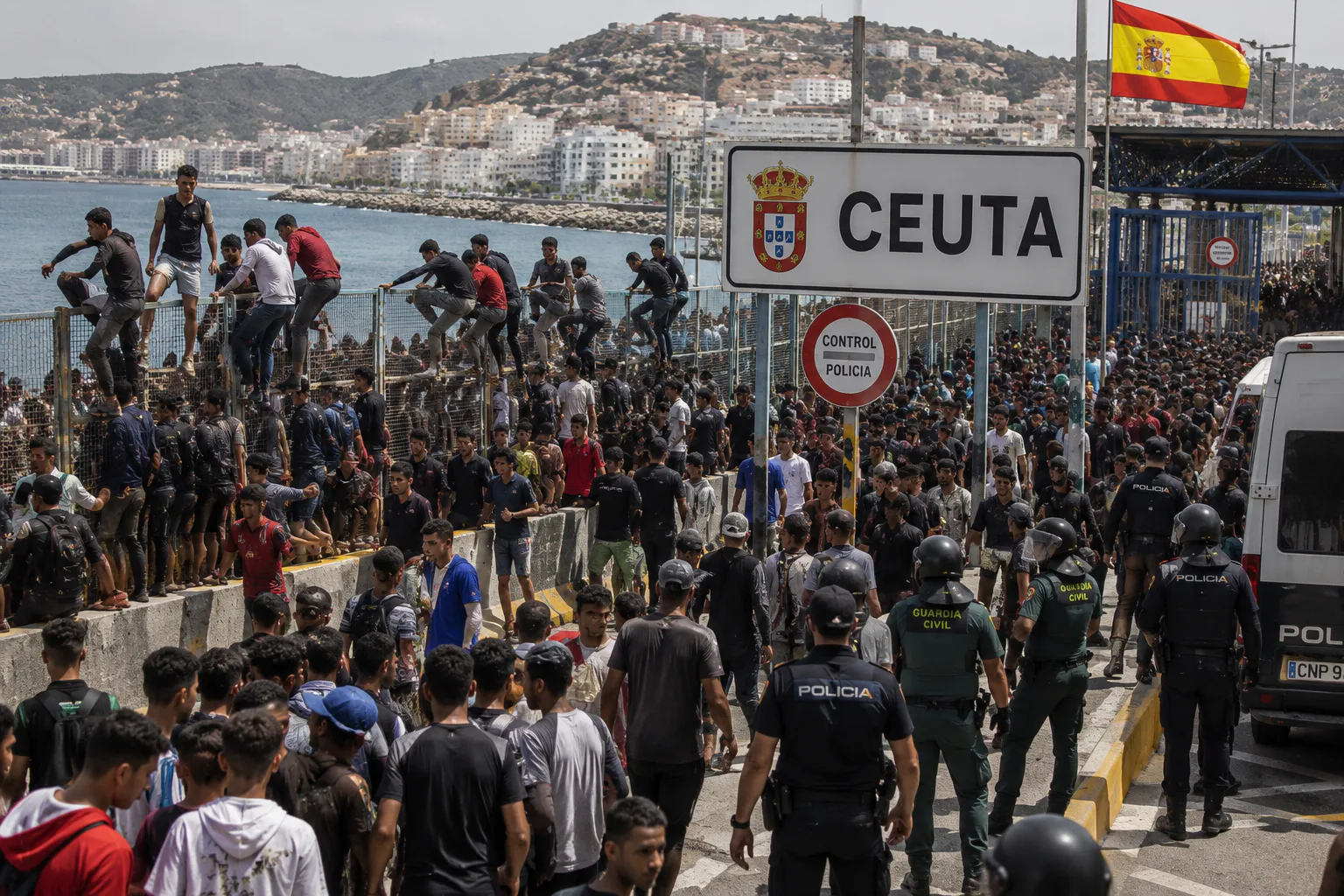
An unprecedented surge saw an estimated 60,000 migrants cross into the Spanish North African enclave of Ceuta in a single day, overwhelming border controls and raising alarms across Europe. The influx, which began on May 17, 2021, saw individuals, many of them minors, swim or climb over barriers from Morocco. However, the situation evolved rapidly, with Spanish authorities reporting that a significant number of these migrants later chose to return to Morocco voluntarily, a departure from the typical patterns seen during previous European migration crises.
This sudden surge into Ceuta, a tiny territory of just 18.5 square kilometers (7.1 square miles), brought back memories of the 2015 European migrant crisis, which saw over a million people arrive on the continent. Unlike that period, however, the dynamics of this event were notably different. While the sheer volume of arrivals was staggering, the Spanish government's swift response and the subsequent voluntary departures of many migrants distinguished this event. The initial breach saw an estimated 8,000 people arrive in a matter of hours, overwhelming local police and civil guards.
Morocco's role in managing its border with Ceuta became a critical factor. The Moroccan authorities were observed to be more cooperative in facilitating the return of migrants, particularly minors, to their home country. This contrasted with previous instances where border control had been a point of contention. The Spanish government, led by Prime Minister Pedro Sánchez, deployed military forces to reinforce the border and manage the situation. The rapid deployment of resources, including police and military personnel, was crucial in regaining control.
The humanitarian implications were significant. Many of the arrivals were unaccompanied minors, presenting a complex challenge for Spanish social services. Reports indicated that over 1,500 minors were taken into care by the Moroccan authorities, while Spain also processed a substantial number. The situation highlighted the vulnerability of young people attempting dangerous journeys across the Strait of Gibraltar, a route known for its perilous conditions.
Politically, the event immediately drew sharp criticism from opposition parties in Spain, who accused the government of mishandling the crisis. Former U.S. President Donald Trump also weighed in, labeling the surge a "catastrophe" and warning that the United States could face similar challenges if Democrats regained power. His comments underscored the international dimension of migration issues and their potential to become politicized.
The economic impact on Ceuta, a territory already grappling with high unemployment, was also a consideration. While the immediate focus was on border security and humanitarian aid, the long-term integration of any migrants who remained posed further questions for the local economy. The Spanish government pledged significant resources to manage the influx and provide necessary services, but the scale of the event strained local capacities.
Analysis of the situation pointed to several contributing factors. Morocco's apparent decision to relax border controls, possibly as a diplomatic maneuver or in response to internal pressures, was a key element. The economic disparities between Morocco and the European Union, coupled with ongoing instability in some African nations, continued to drive migration attempts. The relative ease with which the border was breached suggested a coordinated, albeit unconfirmed, approach.
Spain's response strategy involved a combination of border reinforcement, humanitarian assistance, and diplomatic engagement with Morocco. The voluntary departures, facilitated by both Spanish and Moroccan authorities, helped to de-escalate the immediate crisis. However, the underlying drivers of migration remain, suggesting that such events, while perhaps not on this scale, could recur.
The aftermath saw Spain working to process the remaining migrants and address the needs of unaccompanied minors. The incident served as a stark reminder of the pressures on Europe's southern borders and the complex interplay of political, economic, and social factors that fuel irregular migration. The long-term implications for regional stability and cooperation between Spain and Morocco are still unfolding.
Share this article
Send the story to readers on social or messengers.
Comments
Loading comments…

New Times Reporter Staff
Compiled and edited by the New Times Reporter newsroom from wire and publisher reporting, with the original source credited on every story.