The Rhetoric Trap: How the WHCD Shooting Rekindled Washington’s War of Words
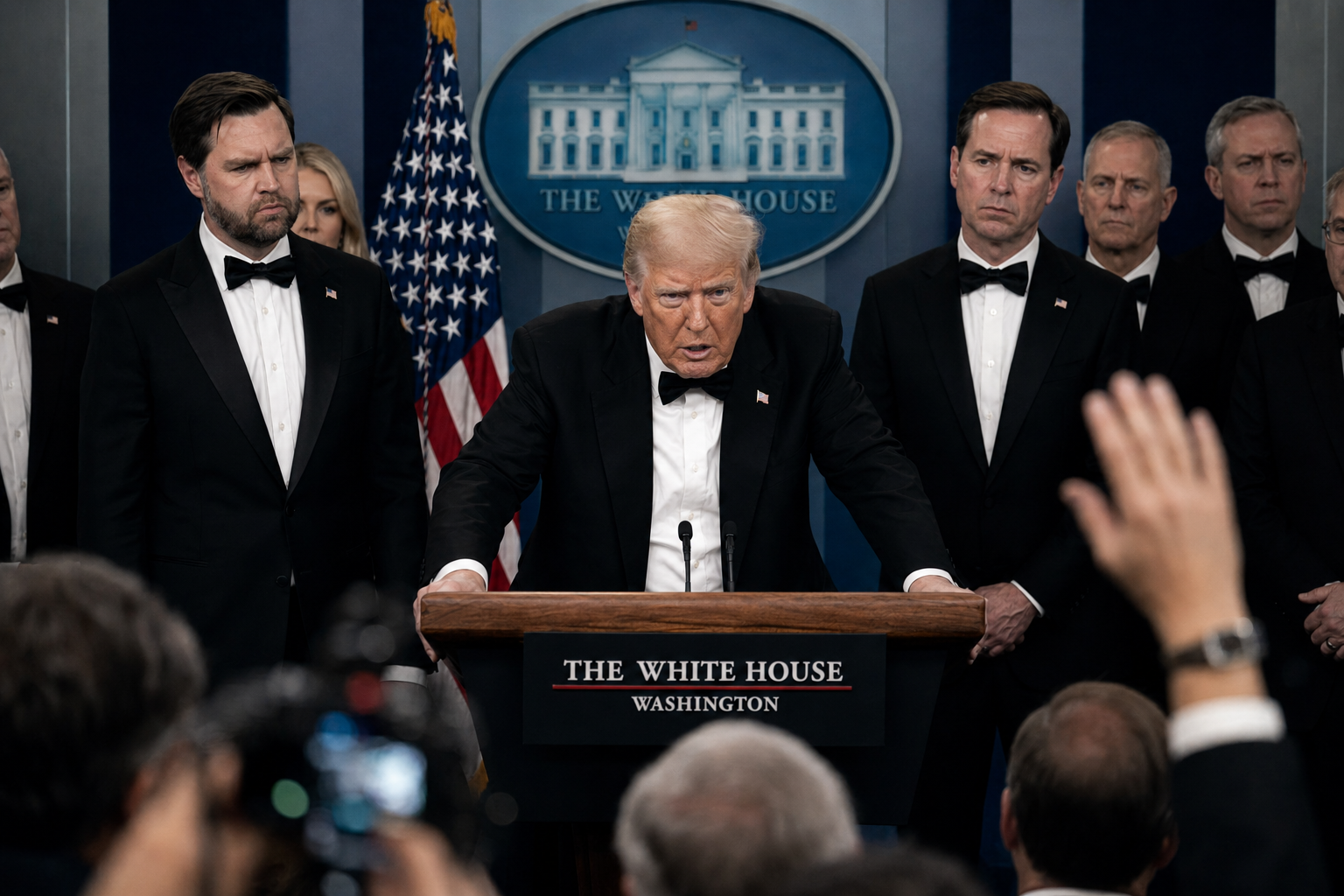
The echoes of gunfire at the White House Correspondents’ Dinner had barely faded before a different kind of ammunition was being deployed across the airwaves. In Washington, tragedies rarely remain tragedies for long; they quickly become catalysts for the next campaign cycle.
By Sunday morning, the brief moment of national concern for President Trump’s safety was replaced by a familiar and fierce political offensive. The Republican party, pivoting to a strategy perfected during the 2024 assassination attempts, has begun framing the weekend’s violence not as a security failure, but as the inevitable byproduct of Democratic rhetoric.
The "Cudgel" of Language The GOP’s current playbook is clear: link political violence directly to the metaphors used by their opponents. President Trump himself set the tone in a "60 Minutes" interview, describing the "hate speech" of the left as a "very dangerous" catalyst for instability.
This isn't just national theater; it’s being localized with surgical precision. In battleground states like Michigan and North Carolina, Republican campaign arms are digging through years of social media archives and rally footage to find Democratic quotes that use combative language. The goal is to paint every progressive candidate as a silent architect of the chaos seen on Saturday night.
Leveraging the Security Gap Beyond the battle of metaphors lies a more practical struggle over the federal purse. Republicans are now using the WHCD breach as a tactical hammer to break the stalemate over Department of Homeland Security (DHS) funding.
The argument presented by figures like former Rep. Mike Rogers is straightforward and potent: If Democrats are serious about the President's safety, why are they withholding the funds meant to protect him? By framing the budget battle as a choice between "public safety" and "political obstruction," the GOP is forcing Democrats into a defensive crouch on an issue—national security—that usually favors the right.
The Democratic Counter-Narrative Democrats, for their part, find themselves navigating a minefield. While House Minority Leader Hakeem Jeffries and others have been quick to condemn the violence and praise the Secret Service, they are refusing to accept the "rhetoric" label.
Strategists on the left have been quick to point out the perceived hypocrisy in the GOP’s stance. They cite the January 6th Capitol riot and the President’s own history of aggressive language as the true source of "normalized" violence in America. To many on the left, the Republican outcry isn't about safety—it’s about silencing dissent by labeling criticism of democracy as "incitement."
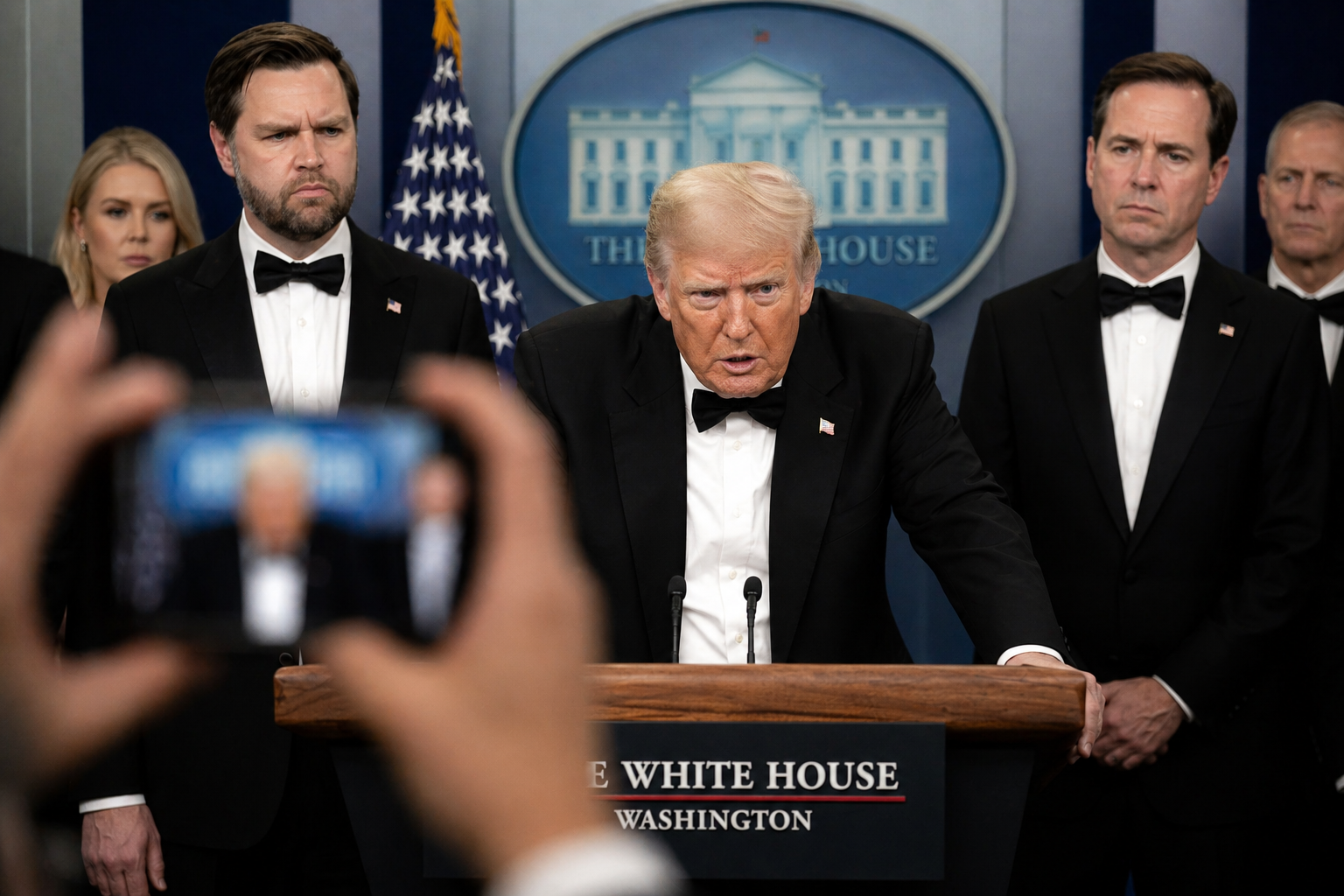
A Suspect in the Middle While the political machinery grinds on, the actual facts of the investigation remain a chilling backdrop. The suspect—reportedly armed with a lethal cocktail of knives and firearms—left behind writings that suggest a deep-seated grievance with administration policies.
Acting Attorney General Todd Blanche confirmed that the attack appeared to be a targeted strike on the administration's inner circle. As the legal case builds, the political world has already reached its verdict: the culprit isn't just a man with a gun, but a culture that has forgotten how to disagree without destroying.
The Long Shadow of 2026 As the country looks toward the midterms, the WHCD shooting serves as a grim preview of the campaign to come. We are no longer in an era where a threat to a leader leads to a "rally 'round the flag" effect. Instead, these moments are now used to deepen the trenches.
The tragedy in Washington isn't just that someone tried to use a weapon to settle a political score. The tragedy is that, in the aftermath, both sides seem more interested in winning the argument than in healing the divide.
Share this article
Send the story to readers on social or messengers.
Comments
Loading comments…

john mafi
Editorial coverage from New Times Reporter.