'This is a dream come true': European astronaut makes history on spacewalk
The Background: A New Era of European Space Ambition
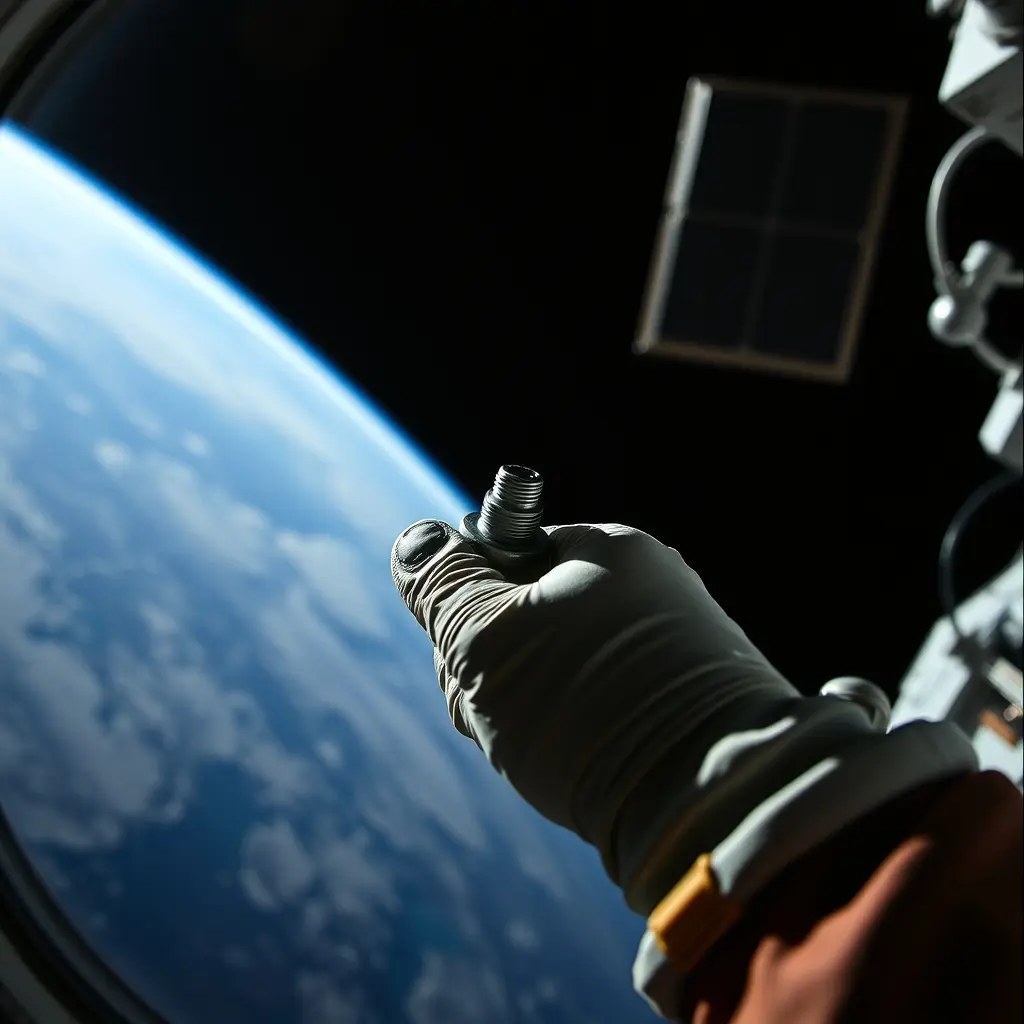
On August 18, 2026, Sophie Adenot became the first French woman and the second European woman to conduct a spacewalk outside the International Space Station (ISS). This historic event underscores the growing role of the European Space Agency (ESA) and its member nations in human spaceflight. Adenot, a helicopter test pilot, joined NASA astronaut Jessica Meir for the six-hour and 42-minute excursion. The primary goal was to replace a faulty high-speed communication antenna, a critical component for the station's operations. While the old antenna was successfully removed, the team ran out of time to install its replacement, highlighting the demanding nature and tight schedules of extravehicular activities (EVAs).
This mission is part of a broader trend of increased international collaboration and national pride in space exploration. As more countries develop their own astronaut corps and contribute to major space projects, the ISS continues to serve as a vital platform for scientific research and technological advancement. Adenot's spacewalk is a milestone for France, which has a long-standing commitment to space, and for ESA, as it continues to expand its capabilities and influence in the global space arena. The event also marks a significant moment for women in STEM, inspiring future generations to pursue careers in science and engineering.
The Mechanism: How a Spacewalk Works
A spacewalk, or Extravehicular Activity (EVA), is a complex and meticulously planned operation that allows astronauts to perform tasks outside the confines of a spacecraft. The process begins long before astronauts exit the airlock. They must undergo extensive training, both on Earth in simulated zero-gravity environments like NASA's Neutral Buoyancy Laboratory, and within the ISS itself. Astronauts wear specialized spacesuits, known as Extravehicular Mobility Units (EMUs), which are essentially self-contained spacecraft providing oxygen, temperature control, and protection from micrometeoroids and radiation.
Before an EVA, astronauts meticulously check their suits and equipment. The spacewalk itself involves navigating the exterior of the space station using handrails and tethers for safety. Tools are often tethered to prevent them from floating away. Communication with mission control on Earth and with fellow astronauts inside the station is constant. The spacewalkers work in tandem, often performing tasks that require two people, such as the antenna replacement on the ISS. The duration of spacewalks is carefully managed to conserve oxygen and energy, and to avoid exceeding the astronauts' physical endurance. The August 18th spacewalk was planned to last approximately six hours, a standard duration for complex EVAs.
Who is Affected and How
Astronaut Sophie Adenot is directly affected, achieving a personal and professional milestone by becoming the first French woman to perform a spacewalk. Her successful execution of complex tasks, despite the time constraint for antenna replacement, adds to her experience and ESA's confidence in her abilities. The crew of the ISS is also affected, as the faulty antenna's replacement is crucial for maintaining high-speed data transfer, impacting scientific experiments and daily operations. The delay in replacing the antenna means the station may rely on slower communication methods for a period, potentially affecting the pace of research and data downlink.
For the European Space Agency (ESA) and its member states, particularly France, Adenot's spacewalk is a significant PR and symbolic victory, showcasing their advanced capabilities in human spaceflight. It bolsters national pride and may inspire increased investment in space programs. For the scientific community, the antenna issue could cause minor delays in receiving data from experiments, though the ISS has redundant systems. For future astronauts, Adenot's achievement serves as an inspiration, particularly for women and aspiring space explorers from Europe, demonstrating that historic achievements are within reach. The broader public's interest in space exploration is also engaged, with live broadcasts and media coverage fostering a connection to ongoing space missions.
What Happens Next
The immediate next step for the ISS crew is to complete the antenna replacement. This will likely involve another spacewalk, potentially with the same astronauts or a different crew, depending on scheduling and crew availability. The success of this future EVA will depend on factors such as the condition of the replacement antenna, the availability of tools, and the overall health and readiness of the astronauts involved. Mission planners will meticulously review the procedures from the August 18th spacewalk to identify any efficiencies or challenges that could impact the next attempt.
In the longer term, this event highlights the ongoing need for robust and reliable communication systems for space stations. ESA will likely continue to invest in its astronaut corps and contribute to future ISS maintenance and upgrades, as well as its own upcoming missions, such as the Lunar Gateway. The success of European astronauts in critical EVAs reinforces their value and importance to international space endeavors. For Sophie Adenot, this historic spacewalk is likely the first of many significant contributions to space exploration, potentially leading to more complex missions and leadership roles within ESA.
Share this article
Send the story to readers on social or messengers.
Comments
Loading comments…

New Times Reporter
Editorial coverage from New Times Reporter.