What are Russian 'human safari' drone attacks in Ukraine?
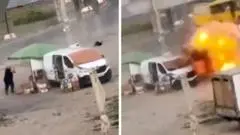
The Background: A New Tactic in an Old War
Since Russia's full-scale invasion of Ukraine began in February 2022, both sides have increasingly employed drones for surveillance and attack. However, a disturbing tactic has emerged, particularly in areas near the front lines like the Kherson region: the use of small, commercially available drones to hunt and attack civilians. These incidents, sometimes referred to as "human safaris," involve a drone operator deliberately targeting individuals, filming the attack, and often sharing the footage online. Ukrainian officials, including President Volodymyr Zelenskyy, have condemned these acts as barbaric war crimes and deliberate attempts to terrorize the population. The United Nations has also documented such incidents, noting that Russian forces have "recurrently killed and injured civilians" in the Kherson area using drones. The aim appears to be not just to inflict casualties but to sow widespread fear and demonstrate a disregard for civilian life.
The Mechanism: From Observation to Attack
These "human safari" attacks typically begin with a small, often commercially available, unmanned aerial vehicle (UAV) equipped with a camera. The drone operator, who may be located miles away, uses the camera feed to identify a potential target, often a lone individual or someone engaged in mundane activities like street vending or walking. The drone hovers above, its distinctive buzzing sound often serving as the first warning. If the individual attempts to flee, the operator maneuvers the drone to pursue them. The video footage captured by the drone documents this chase, often showing the operator's control as the drone attempts to corner or follow the target. In many cases, the drone is equipped with an explosive payload. Once the operator has the target in their sights, they direct the drone to dive, detonating the explosive upon impact. The entire sequence is often recorded, creating a chilling video record of the attack. The individual targeted, like the 52-year-old vegetable vendor Yuriy in the Kherson region, can sustain severe injuries from shrapnel, concussions, and psychological trauma.
Who is Affected and How
Civilians in areas close to the front lines in Ukraine are the primary targets of these "human safari" drone attacks. This includes residents in regions like Kherson, which is geographically proximate to Russian-occupied territories. Individuals engaged in daily activities, such as street vendors like Yuriy, or anyone caught in an open space, become vulnerable. The attacks have a dual effect: they inflict immediate physical harm through explosions and shrapnel, leading to injuries, concussions, and potentially death. Beyond the physical toll, these incidents are designed to instill widespread fear and psychological distress. The deliberate targeting and filming of civilians, often shared online, serve as a form of psychological warfare, aiming to break the morale of the civilian population and demonstrate the pervasive reach of the conflict. The UN has also highlighted that the public dissemination of such videos constitutes a war crime in itself, amounting to "outrages upon personal dignity."
What Happens Next
The future of "human safari" drone attacks depends on several factors. Continued Russian military strategy and the availability of suitable drones and operators will be key. Ukraine's ability to enhance its air defense capabilities to detect and intercept these low-flying, small drones is crucial for mitigating future attacks. International pressure and potential war crime prosecutions could also act as deterrents, though enforcing accountability for such acts remains a significant challenge. For these attacks to decrease, Russia would need to either change its military doctrine regarding civilian engagement or face insurmountable operational difficulties in executing them. Conversely, if Russia continues to view these tactics as effective for terrorizing the population and if Ukraine's defenses remain insufficient, such attacks are likely to persist. The ongoing documentation and international condemnation by bodies like the UN and Ukrainian officials aim to build a case for accountability and deter future occurrences.
Share this article
Send the story to readers on social or messengers.
Comments
Loading comments…

New Times Reporter Staff
Compiled and edited by the New Times Reporter newsroom from wire and publisher reporting, with the original source credited on every story.