What is SpaceX's USSF-481 mission for the US Space Force?
The Purpose of USSF-481
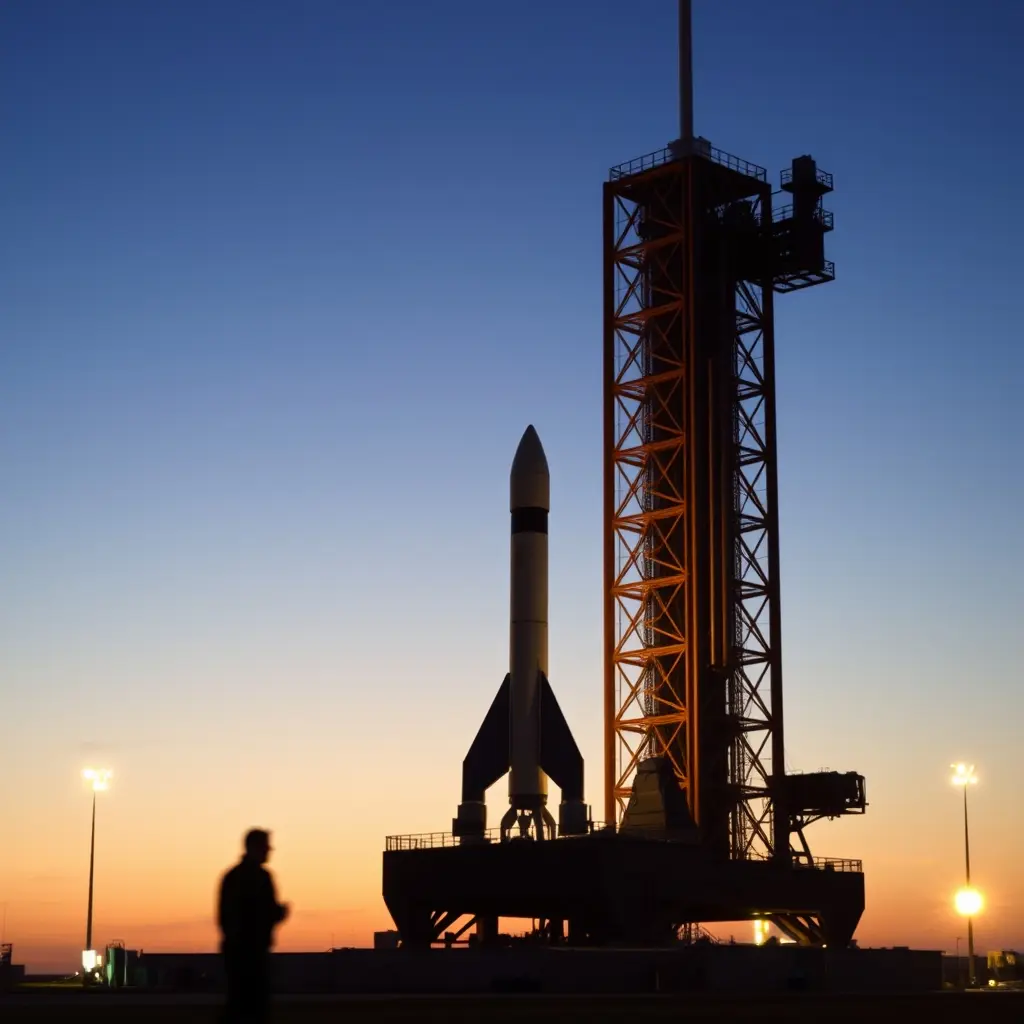
SpaceX successfully launched the USSF-481 mission on October 15, 2026, from Vandenberg Space Force Base in California. This mission carried a classified payload for the U.S. Space Force, a branch of the U.S. Armed Forces established in 2019. While the specifics of the payload remain secret, such missions typically involve deploying satellites designed for national security purposes. These can include intelligence gathering, secure communications, missile warning systems, or other critical defense applications.
The U.S. Space Force relies on these missions to maintain its technological edge and ensure the security of its operations in space. The classified nature of the payload underscores the sensitive and strategic importance of the technology being deployed.
How SpaceX Enables Classified Launches
SpaceX's involvement in classified missions like USSF-481 highlights its growing role as a key partner for U.S. national security. The company utilizes its Falcon 9 rocket, a workhorse of its launch fleet, for these operations. The Falcon 9 is designed for reliability and reusability, which can help reduce launch costs for government agencies.
For classified missions, SpaceX works closely with agencies like the Space Force to meet stringent security and operational requirements. This includes ensuring the payload is handled and integrated securely, and that the launch trajectory and timing meet specific defense needs. The company's ability to launch from Vandenberg Space Force Base, a major West Coast launch site, is also crucial for certain polar or inclined orbits that are often favored for national security satellites.
Who is Affected and How
The primary beneficiaries of the USSF-481 mission are the U.S. Space Force and the broader U.S. national security apparatus. The successful deployment of the payload enhances the Space Force's capabilities, potentially improving its ability to monitor threats, communicate securely, and conduct operations. This, in turn, aims to bolster the defense of the United States and its allies.
For the general public, the direct impact of a classified mission is not immediately apparent. However, these launches contribute to the overall security infrastructure that underpins national defense. Indirectly, the success of such missions supports the technological advancements and economic activity associated with the space industry, including jobs and innovation within companies like SpaceX and its contractors, such as Northrop Grumman, which has been involved in other Space Force satellite constellations.
What Happens Next
Following the successful launch and deployment of the payload, the U.S. Space Force will integrate the new capabilities into its operational network. This process can take weeks or months, depending on the complexity of the satellite and its intended function. The Space Force will then monitor the performance of the new asset, ensuring it meets its mission objectives.
For SpaceX, the USSF-481 mission is another data point in its ongoing operational cadence. The company will likely inspect and refurbish the Falcon 9 first stage for potential reuse on future missions. The success of this classified launch further solidifies SpaceX's reputation as a reliable provider of launch services for sensitive government payloads, potentially leading to more such contracts. Future outcomes depend on the performance of the deployed satellite, geopolitical developments, and the continued technological advancements by both SpaceX and its government partners.
Share this article
Send the story to readers on social or messengers.
Comments
Loading comments…

New Times Reporter
Editorial coverage from New Times Reporter.