What is the Artemis II mission and why are its commander and pilot leaving?
The Artemis II mission, slated to be the first crewed flight of NASA's Orion spacecraft around the Moon since the Apollo era, is facing a significant shift. Commander Reid Wiseman and Pilot Victor Glover are departing their roles on the mission, a development that raises questions about the future of NASA's lunar program and the astronauts involved.
Their departures are not tied to any specific mission failure or controversy. Instead, they signal a broader realignment within NASA's astronaut corps and its long-term strategic goals. The reasons for their transitions are complex, involving career progression, personal choices, and the evolving needs of the space agency as it prepares for increasingly ambitious lunar and Martian exploration.
The Artemis Program's Lunar Ambitions
The Artemis program is NASA's ambitious initiative to return humans to the Moon, establish a sustainable lunar presence, and use it as a stepping stone for future missions to Mars. Artemis II is a critical precursor mission, designed to test the Orion spacecraft's life support systems, navigation, and communication capabilities with a crew aboard, flying further than any human has gone before.
Originally planned for late 2024, the mission has faced delays, now targeting no earlier than September 2025. The crew of Artemis II—Wiseman, Glover, Christina Koch, and Jeremy Hansen—are expected to embark on a roughly 10-day mission that will orbit the Moon, but not land. This flight is crucial for validating the systems and procedures necessary for subsequent Artemis missions, including Artemis III, which aims to land astronauts on the lunar south pole.
How Artemis II Works and Why the Crew Matters
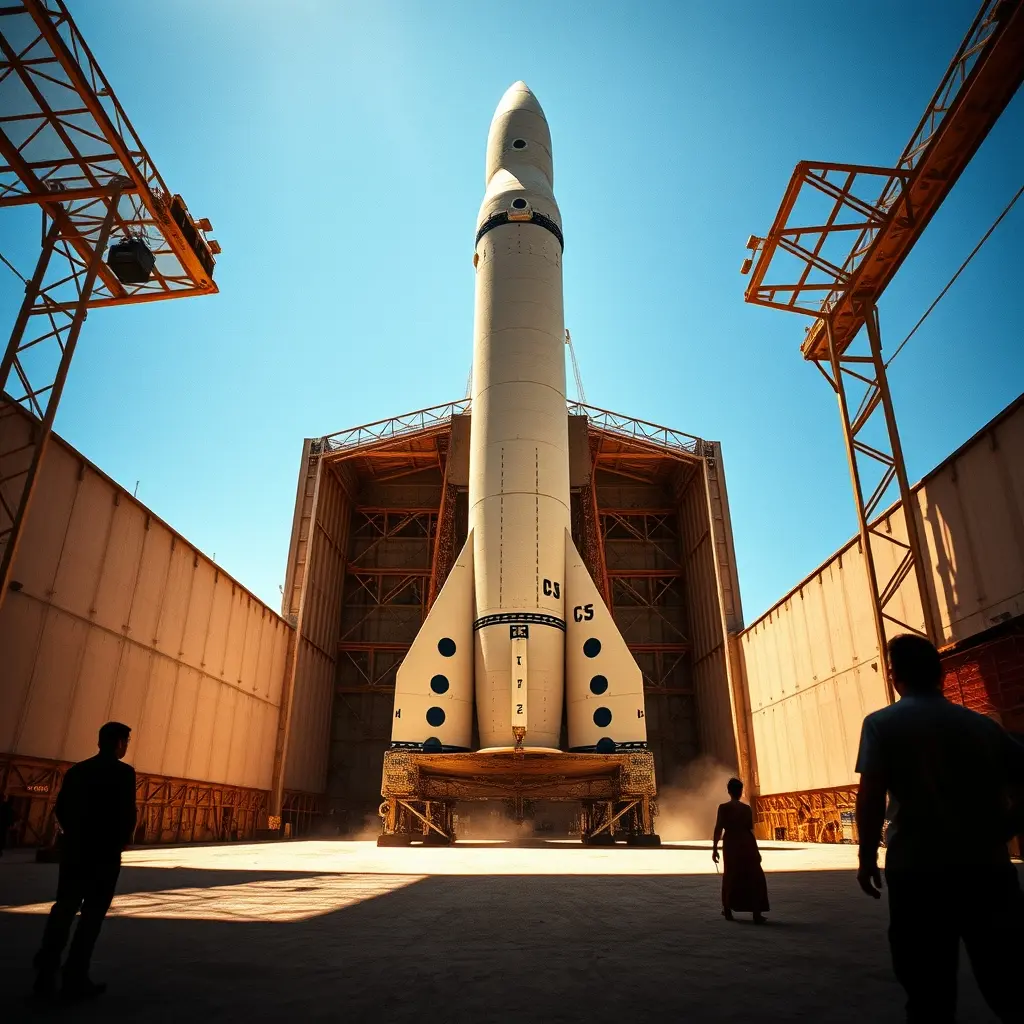
Artemis II will launch on the Space Launch System (SLS) rocket, NASA's most powerful rocket ever built. The Orion spacecraft, designed to carry astronauts, will separate from the rocket's upper stage after reaching Earth orbit. It will then perform a burn to travel towards the Moon. The mission profile includes a lunar flyby, where the spacecraft will travel around the far side of the Moon before returning to Earth.
The commander and pilot are central figures in any crewed spaceflight. The commander is ultimately responsible for the mission's success and the safety of the crew, making critical decisions during flight. The pilot assists the commander, often managing spacecraft systems and navigation. Wiseman, a veteran naval aviator, and Glover, also a naval aviator and former F/A-18 pilot, bring extensive experience to these roles. Their familiarity with the Orion spacecraft and the rigorous training required for deep-space missions are invaluable.
Their departures mean that NASA will need to select and train new individuals for these critical positions. This transition period, while expected in long-duration space programs, can introduce new dynamics and require additional time for the new crew members to achieve full operational synergy.
Who is Affected and How
The most immediate impact is on Commander Reid Wiseman and Pilot Victor Glover. Both are highly experienced astronauts. Wiseman, who previously served as chief of the astronaut office, has been instrumental in the development and testing of the Orion spacecraft. Glover made history as the first African American to travel to lunar orbit during the uncrewed Artemis I test flight, though he was not part of that mission's crew; he was assigned to Artemis II in April 2023. Their decision to leave astronaut roles signifies a personal career choice and potentially a shift in their professional trajectories within or outside of NASA.
For the broader astronaut corps, this creates opportunities for other astronauts to step into prominent roles. It also underscores the reality of long-term space programs, where personnel changes are inevitable due to career progression, personal circumstances, and the extended timelines of missions like Artemis. The public, particularly space enthusiasts, may feel a sense of disappointment seeing these specific astronauts step away from such a historic mission, but their contributions to the program remain significant.
What Happens Next for Artemis II and its Crew
NASA will announce new assignments for the commander and pilot roles on Artemis II. This will involve selecting astronauts who have undergone similar rigorous training and possess the necessary qualifications. The agency will then focus on integrating the new crew members into the mission's operational tempo, ensuring they are fully prepared for the demanding flight.
For Wiseman and Glover, their next steps are not yet public. They may move into leadership positions within NASA, pursue opportunities in the private space industry, or transition to entirely different fields. Their expertise will likely remain valuable in the aerospace sector.
For Artemis II to proceed as planned, the successful integration of the new crew is paramount. Delays could arise if the new commander and pilot require extensive additional training or if the overall mission readiness timeline is impacted. The success of Artemis II is crucial for the subsequent Artemis III mission, which aims to land the first woman and the first person of color on the Moon. Any significant setbacks in Artemis II could have a ripple effect on the entire lunar exploration roadmap.
Share this article
Send the story to readers on social or messengers.
Comments
Loading comments…

New Times Reporter Staff
Compiled and edited by the New Times Reporter newsroom from wire and publisher reporting, with the original source credited on every story.