What is the Strait of Hormuz and why is it important?
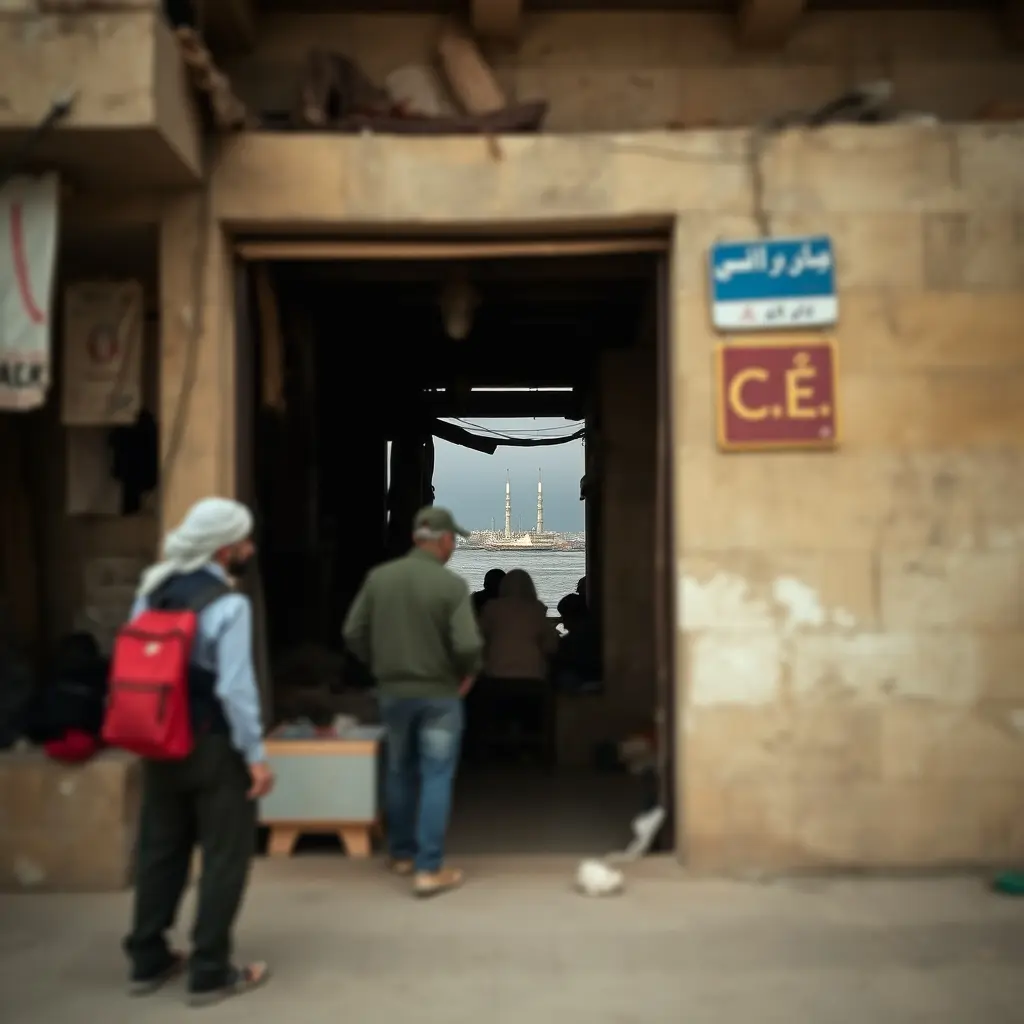
The Strait of Hormuz, a narrow waterway connecting the Persian Gulf to the Gulf of Oman and the open sea, is a critical chokepoint for global oil transport. Its strategic significance lies in its location, separating Iran from the Arabian Peninsula and controlling passage for a substantial portion of the world's crude oil supply.
Any disruption or blockade in the Strait could have immediate and severe consequences for global energy markets, potentially leading to significant price increases for oil and gas. The waterway is approximately 21 miles wide at its narrowest point, with shipping lanes that are only two miles wide in each direction, making it vulnerable to military action or accidents.
The Background: A Vital Artery for Global Trade
The Strait of Hormuz has been a focal point of international attention for decades, particularly due to its role in the global energy supply chain. Approximately 30 percent of the world's seaborne oil trade passes through this narrow passage, making it indispensable for supplying energy to major economies in Asia, Europe, and North America. The volume of oil transported daily can fluctuate but has historically been in the tens of millions of barrels.
Geopolitical tensions in the region, particularly involving Iran and its neighbors, have frequently put the Strait under scrutiny. Iran has, at times, threatened to close or disrupt shipping through the Strait as a retaliatory measure against economic sanctions or military threats. This has led to increased naval presence by international powers aiming to ensure freedom of navigation and protect oil tankers.
Past incidents, such as attacks on oil tankers in the Gulf of Oman in 2019, have highlighted the fragility of this vital waterway and its susceptibility to regional conflicts. These events underscore the global reliance on the Strait and the potential for its closure to trigger significant economic repercussions worldwide.
The Mechanism: How the Strait Works and Potential Disruptions
The Strait of Hormuz functions as a natural maritime passage, but its narrowness and the presence of territorial waters belonging to Iran and Oman make it a sensitive area. International law, specifically the UN Convention on the Law of the Sea (UNCLOS), generally upholds the right of innocent passage for all vessels through such straits. However, coastal states can impose certain regulations to ensure safety and environmental protection.
Disruptions can occur through several mechanisms. A direct blockade, whether military or otherwise, would halt all traffic. More subtle methods could include naval maneuvers, mine-laying, or targeted attacks on shipping, which could create navigational hazards and deter traffic even without a complete closure. Sabotage of oil infrastructure in the surrounding region that feeds into the Strait could also indirectly affect supply.
Iran, possessing significant naval capabilities in the Persian Gulf, has the means to pose a threat to shipping. Countermeasures typically involve international naval patrols, including those by the United States and its allies, to escort vessels and deter aggression. The effectiveness of these measures depends on sustained international cooperation and the willingness to respond to any hostile actions.
Who is Affected and How, Concretely
The most immediate impact of any disruption in the Strait of Hormuz would be felt in global energy markets. Oil prices would likely surge, affecting consumers through higher gasoline prices at the pump and increased costs for heating and electricity. Businesses that rely on oil and gas for their operations, from transportation and manufacturing to agriculture, would face higher operating expenses.
Major oil-importing nations, particularly in Asia such as Japan, South Korea, and China, would be disproportionately affected due to their heavy reliance on Middle Eastern oil transported through the Strait. Economies heavily dependent on oil exports, such as Saudi Arabia, the UAE, and Kuwait, would also suffer from reduced export revenues and potential damage to infrastructure.
Beyond economic impacts, geopolitical instability would rise. Increased tensions could lead to military escalations, affecting regional security and potentially drawing in global powers. For ordinary people, this could translate into higher costs of living, reduced economic opportunities, and a general sense of increased global insecurity.
What Happens Next: Scenarios and Precedents
The future of the Strait of Hormuz's stability hinges on a complex interplay of diplomatic efforts, regional security dynamics, and international responses. One scenario involves de-escalation, where diplomatic channels, potentially involving intermediaries like Oman, lead to agreements that ensure freedom of navigation and reduce tensions. This could involve Iran receiving assurances regarding sanctions relief or other economic benefits in exchange for its commitment to not disrupt shipping.
Another scenario is continued low-level tension, characterized by occasional incidents, heightened naval patrols, and ongoing diplomatic maneuvering. This would likely result in continued volatility in oil prices and a persistent risk of escalation. A more severe scenario involves a direct confrontation or blockade, which would trigger significant global economic fallout and potentially a wider military conflict. The precedents for such disruptions are varied, ranging from the "tanker wars" during the Iran-Iraq War in the 1980s to more recent near-misses and threats.
For a stable outcome, sustained diplomatic engagement and a clear commitment from all parties to uphold international maritime law are crucial. The involvement of international organizations and a unified stance from major global powers would also be key in deterring aggressive actions and ensuring the unimpeded flow of oil through this critical waterway. The willingness of Iran and the US, along with regional actors, to compromise and de-escalate will ultimately determine the Strait's future security.
Share this article
Send the story to readers on social or messengers.
Comments
Loading comments…

New Times Reporter Staff
Compiled and edited by the New Times Reporter newsroom from wire and publisher reporting, with the original source credited on every story.