Why H5N1 bird flu is a growing threat to Australia's wildlife
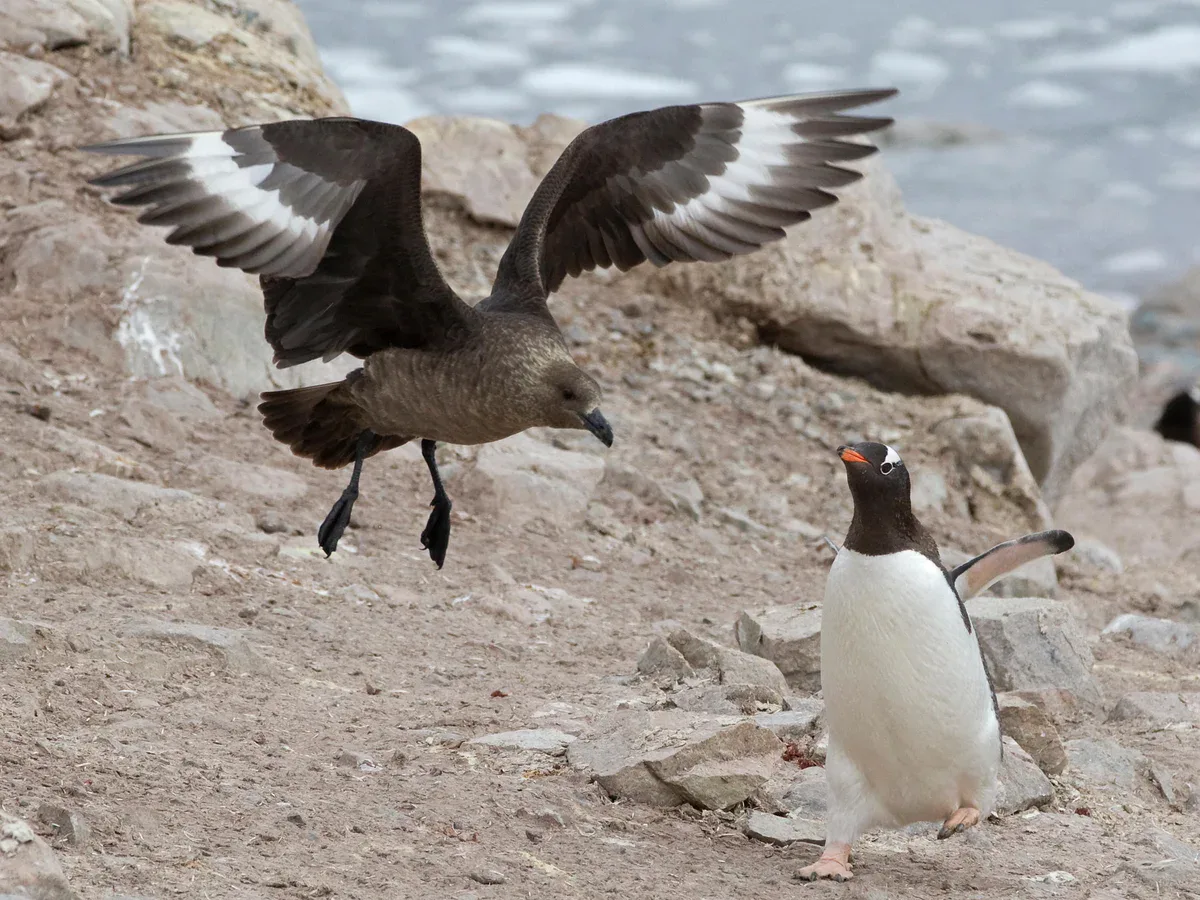
Australia is confronting its first documented mass mortality event of wild birds due to the H5N1 avian influenza virus. This outbreak, confirmed in multiple states, signals a significant escalation of the virus's presence and raises concerns about its potential spread throughout the continent's unique biodiversity.
The H5N1 virus, commonly known as bird flu, is a highly pathogenic strain of influenza A. It primarily infects birds, but can also transmit to mammals, including humans, though human-to-human transmission is rare. The virus spreads through direct contact with infected birds, their droppings, or contaminated surfaces. Symptoms in birds can range from mild respiratory distress to rapid death. The current strain, often referred to as H5N1 clade 2.3.4.4b, has shown a concerning ability to jump species and cause widespread mortality in wild bird populations globally.
The Background: A Global Threat Reaches Australian Shores
The H5N1 virus has been a persistent global concern for decades, first emerging in Hong Kong in 1997. Since then, it has caused sporadic outbreaks in poultry and wild birds worldwide, leading to significant economic losses in the agricultural sector and posing a zoonotic risk to humans. For years, Australia remained one of the few major landmasses free from the highly pathogenic H5N1 strain in its wild bird populations. This changed in May 2023 when the virus was first detected in a captive wild penguin at a wildlife sanctuary in Victoria. Subsequent detections in wild birds, including migratory species, in New South Wales and Tasmania, foreshadowed the current situation. The recent confirmation of mass deaths, particularly affecting seabird colonies, marks a critical turning point, indicating the virus is now firmly established and spreading rapidly within Australia's native fauna.
The Mechanism: How H5N1 Spreads Through Wildlife
H5N1 avian influenza is transmitted through the respiratory and fecal-oral routes. Infected birds shed the virus in their saliva, respiratory secretions, and feces. When healthy birds come into contact with these contaminated materials, either directly or indirectly through contaminated water, food, or surfaces, they can become infected. Migratory birds play a crucial role in the long-distance dispersal of avian influenza viruses. These birds can carry the virus across vast geographical areas without showing symptoms, introducing it to new regions and populations. In Australia, the current outbreak is believed to be linked to the introduction of the virus via migratory birds that have traveled from other parts of the world. Once established in a local population, the virus can spread rapidly through direct contact between birds, especially in dense colonies where seabirds nest and feed. The high mortality rates observed suggest that the current strain is particularly virulent for the species affected.
Who is Affected and How, Concretely
This outbreak directly impacts Australia's diverse wild bird populations, with initial reports highlighting mass mortality events in seabirds. Species like the Australasian gannet and the sooty shearwater are among those confirmed to be affected. The consequences extend beyond the immediate loss of life. These deaths can disrupt breeding cycles, impact food webs, and potentially lead to population declines for vulnerable species. For instance, the disruption of seabird colonies can affect nutrient cycling in coastal ecosystems. Furthermore, the presence of H5N1 in wildlife raises concerns for human health. While direct transmission to humans is rare, individuals who handle infected birds or come into contact with contaminated environments face a potential risk. This includes wildlife rescuers, veterinarians, and individuals working in bird rehabilitation centers. The Australian government, through agencies like the Department of Agriculture, Fisheries and Forestry, is monitoring the situation closely and advising the public to avoid contact with sick or dead birds.
What Happens Next, and What Would Have to Be True for Each Outcome
The future trajectory of H5N1 in Australia depends on several factors. One likely outcome is continued spread, particularly along coastlines and to inland waterways, driven by migratory patterns and the virus's adaptability. This would necessitate ongoing surveillance and potential containment efforts, though eradicating the virus from wild populations is extremely challenging. For this to occur, the virus would need to maintain its high transmissibility and virulence among susceptible bird species, and migratory pathways would need to facilitate its movement. Another possibility is that the virus becomes endemic in certain wild bird populations, leading to recurrent outbreaks. This scenario would require the virus to establish a persistent presence, potentially adapting to local species. A more optimistic, though less probable, outcome is a natural decline in the virus's activity, perhaps due to seasonal factors or the development of some level of herd immunity within bird populations. However, given the global persistence of H5N1, this is unlikely to represent a permanent solution. The long-term impact will also depend on the virus's ability to adapt and jump to other animal species, including livestock and potentially domestic animals, which would trigger different biosecurity responses.
Share this article
Send the story to readers on social or messengers.
Comments
Loading comments…

Grant Mitchell
Grant Mitchell focuses on security and geopolitics, with deep coverage of conflict and diplomacy.