Why is America's power grid failing to meet demand?
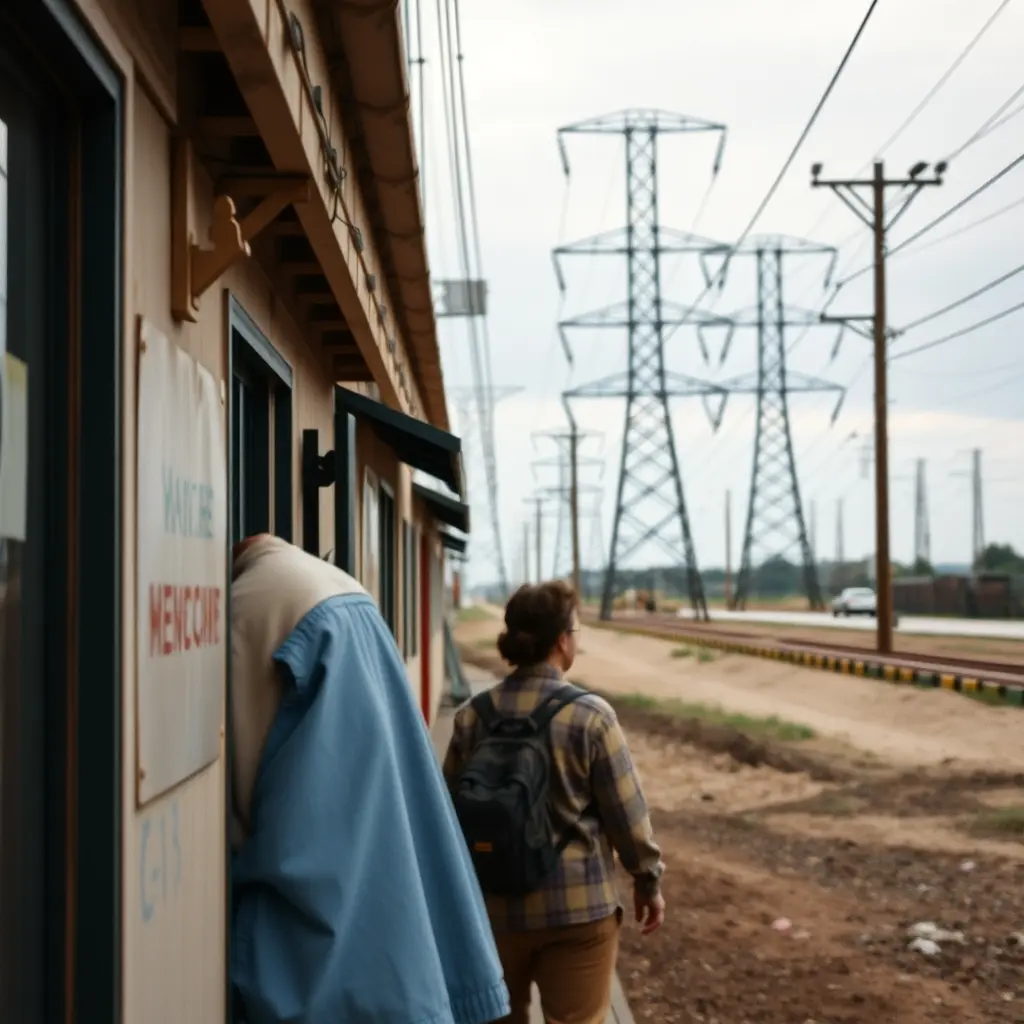
The United States is facing a critical shortage of essential electrical infrastructure, particularly large power transformers, due to decades of underinvestment and a hollowing out of domestic manufacturing and skilled labor. This situation has been exacerbated by a recent surge in electricity demand driven by data centers, reshoring initiatives, electrification, and grid hardening efforts, all descending upon an industry that had planned for continued stagnation.
The core of the problem lies in the decline of domestic industrial capacity. For approximately 20 years, U.S. electricity consumption was flat or declining, leading utilities and manufacturers to reduce investment in new capacity, workforce development, and specialized skills. Apprenticeship programs were cut, experienced workers aged without sufficient new talent being trained, and the domestic supply chain for critical components like transformers weakened. This led to a situation where roughly 80% of the large power transformers now installed in the U.S. are imported, and the sole domestic producer of grain-oriented electrical steel, a key component, is vulnerable. Lead times for these transformers have stretched to nearly two and a half years, with prices increasing by over 77% since 2019. Compounding the issue, the average transformer on the grid is 38 years old, with over 70% past the age of 25, indicating a simultaneous need to replace aging infrastructure and build new capacity with a depleted supply chain.
The Background: A Lost Generation of Industrial Capacity
From 2010 to 2020, U.S. electricity consumption saw a roughly 1% decrease, a trend driven by increased energy efficiency in appliances, lighting, and industrial motors. This period of flat demand led to a strategic assumption among utilities and manufacturers that growth would not return. Consequently, investments in critical areas such as workforce training, apprenticeships, and maintaining specialized manufacturing capabilities were curtailed. Companies rationalized that there was no need to fund training for new roles or retain specialized knowledge if demand was not expected to increase. This led to an aging workforce in essential sectors, with roughly half of the utility workforce now over 45 and many eligible for retirement within the decade. The pipeline for new talent dried up as university power-engineering programs, already shrinking, saw students increasingly drawn to software and AI fields. This deliberate underinvestment, while seemingly rational in a low-demand environment, created a fragile industrial base that was unprepared for the subsequent resurgence in electricity consumption.
The Mechanism: How Demand Outstripped Supply
Since 2020, electricity consumption in the U.S. has reversed its two-decade decline, climbing by approximately 7%. This surge is attributed to several converging factors: the rapid expansion of AI data centers, the reshoring of manufacturing industries, the increasing electrification of transportation and heating, and efforts to harden the grid against climate impacts. These new demands have placed immense pressure on an electrical system and its supply chains that had been optimized for stagnation. The demand for large power transformers, crucial for transmitting electricity, has surged by 116% since 2019. The U.S. now relies heavily on imports for these transformers, with significant lead times stretching to almost two and a half years for standard units and even longer for larger, grid-connecting transformers. The domestic supply of essential components, like grain-oriented electrical steel, is concentrated in the hands of a single producer. This bottleneck, coupled with an aging fleet of existing transformers (average age 38 years), creates a critical vulnerability. The inability to quickly manufacture or procure new transformers means that the expansion of electricity-consuming technologies and the necessary upgrades to the grid are significantly delayed.
Who is Affected and How
Ordinary Americans are affected through potential disruptions to their electricity supply and increased costs. The aging grid and the shortage of new transformers mean that the system is more susceptible to blackouts, especially during periods of high demand or extreme weather. Businesses, particularly those reliant on stable power for operations like manufacturing and data processing, face uncertainty and potential limitations on expansion. The burgeoning AI industry, a key driver of new demand, is directly impacted by Texas's decision to suspend power hookups for new data centers, a move aimed at assessing grid reliability. This pause, and similar potential actions in other states, could slow down the deployment of new technologies and the economic growth associated with them. Consumers may also see higher electricity prices as utilities face increased costs for transformers and infrastructure upgrades, costs that are often passed on. Furthermore, the lack of domestic manufacturing capacity means the U.S. is vulnerable to geopolitical issues affecting international supply chains, potentially leading to further price volatility and availability issues.
What Happens Next
Addressing this crisis requires a long-term, multi-faceted strategy. For the U.S. to rebuild its industrial capacity and skilled workforce, significant and sustained investment is necessary. This includes revitalizing domestic manufacturing for critical components like transformers, which could take years and substantial capital to establish new factories and retrain workers. Re-establishing robust apprenticeship programs and university curricula focused on power engineering and manufacturing trades is essential to cultivate the next generation of skilled labor. Government policies that provide long-term demand signals and incentives for domestic production, such as advanced manufacturing tax credits or infrastructure spending bills, will be crucial. Brian Tochman, CEO of energy infrastructure company Fluxco, suggests that it could take the better part of two decades to close the gap in industrial capability, assuming demand growth moderates. However, credible forecasts indicate continued load climbing through 2050. Therefore, if demand continues to outpace the slow rebuilding of supply, the U.S. could face prolonged periods of grid strain, increased risk of outages, and higher energy costs. Conversely, if these investments are made effectively and quickly, the U.S. could secure its energy future, support technological innovation, and ensure grid reliability for decades to come.
Share this article
Send the story to readers on social or messengers.
Comments
Loading comments…

New Times Reporter
Editorial coverage from New Times Reporter.